Summer’s warmth brings with it the gentle hum of insects, a soundtrack to outdoor gatherings and quiet evenings. Yet, among these tiny creatures lies a potential threat that demands our attention. In Hamilton, the first human case of West Nile virus has been reported, marking a transition from seasonal nuisance to public health concern. This diagnosis serves as a timely reminder of the interconnectedness of our environment and health. It invites us to reflect on the importance of vigilance and preventive measures in maintaining our well-being during the warmer months.
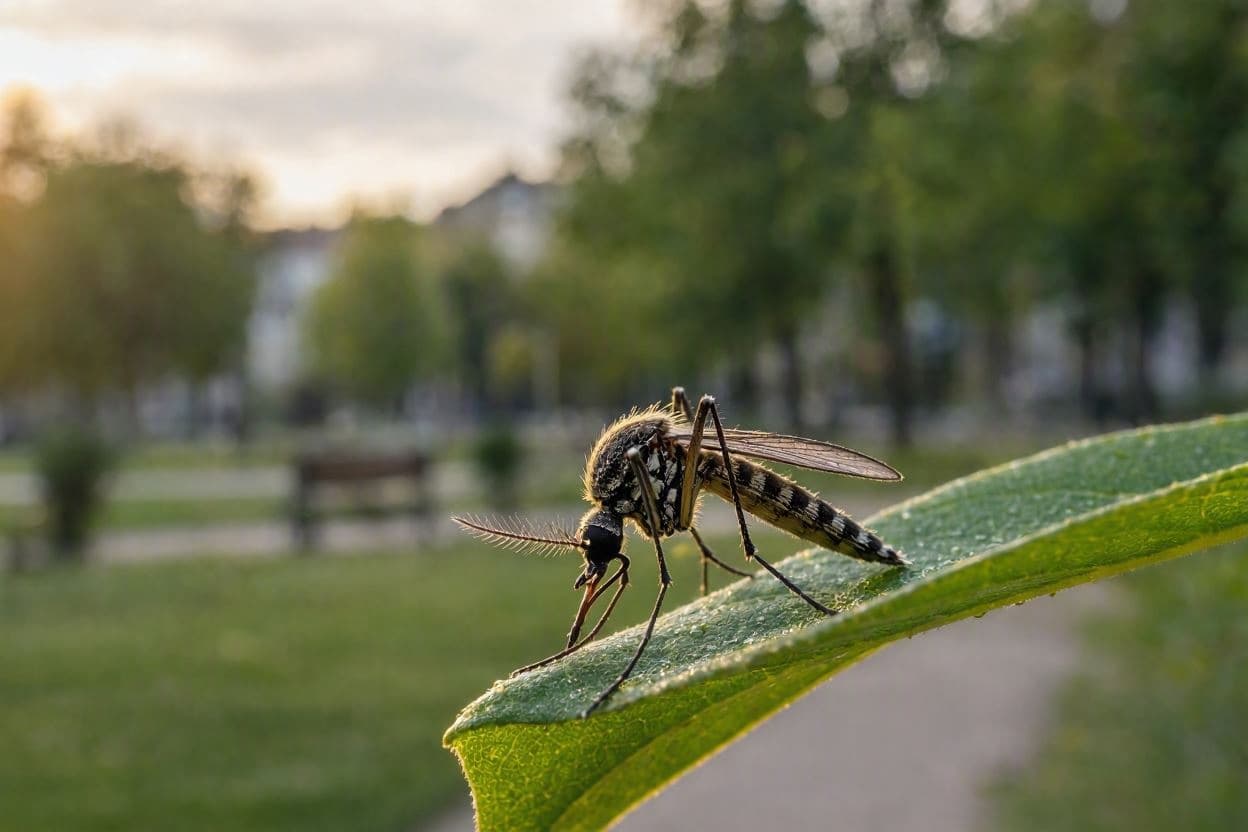
West Nile virus is primarily transmitted through the bite of infected mosquitoes, which acquire the virus from birds. Most people infected with the virus do not develop symptoms, but for some, it can lead to serious illness, including fever, headache, body aches, and in rare cases, neurological complications. The confirmation of a case in Hamilton signals that the virus is active in the local mosquito population, urging residents to take precautions to avoid bites.
Public health officials have likely increased monitoring and mosquito control efforts in response to the case. This may include larviciding in standing water sources and public education campaigns on reducing breeding sites around homes. Simple actions, such as emptying flower pots, cleaning gutters, and using insect repellent, can significantly reduce the risk of exposure. Community participation is essential in these efforts, as individual actions collectively lower the overall mosquito population.
The timing of the case is consistent with seasonal patterns, as mosquito activity peaks in late summer and early fall. Warmer temperatures accelerate the breeding cycle of mosquitoes and the replication of the virus within them. Climate change may be extending this season, making it important for residents to remain vigilant even as the weather begins to cool. Awareness of these trends helps in planning effective prevention strategies.
For the affected individual, the diagnosis brings a period of recovery and medical monitoring. Healthcare providers are trained to manage symptoms and provide supportive care, as there is no specific antiviral treatment for West Nile virus. Most patients recover fully, but the experience highlights the seriousness of the disease and the need for prompt medical attention if symptoms arise after a mosquito bite.
Local news and health authorities play a crucial role in disseminating accurate information. Clear communication helps dispel myths and encourages evidence-based practices. Residents are advised to wear long sleeves and pants during peak mosquito hours, use screens on windows and doors, and apply EPA-approved repellents. These practical steps empower individuals to protect themselves and their families.
The presence of West Nile virus also underscores the importance of biodiversity and ecosystem health. Birds serve as reservoirs for the virus, and changes in bird populations can influence transmission rates. Protecting natural habitats and maintaining ecological balance can have indirect benefits for public health by regulating vector populations. It is a reminder that human health is deeply tied to the health of the environment.
As the season progresses, continued monitoring will determine if additional cases emerge. Public health teams remain alert, ready to respond to any signs of increased activity. The goal is to contain the spread and minimize impact on the community. Cooperation between residents, healthcare providers, and government agencies is key to achieving this objective.
The first human case of West Nile virus in Hamilton highlights the need for mosquito prevention and public awareness. It underscores the importance of community vigilance in protecting health. Let us take simple steps to stay safe.
AI Image Disclaimer: Please be aware that images used in this context are AI-generated visualizations for illustrative purposes.
Sources: Hamilton Public Health Services CBC News Hamilton Global News Hamilton
Published by Banx Network. This article is part of the Banx decentralized media programme, powered by the BXE token on the XRP Ledger.