

Key Highlights
- Vietnam's government urges remote work to conserve fuel amid global disruptions.
- The initiative aims to reduce urban traffic and carbon emissions.
- Flexible working arrangements are encouraged for government ministries.
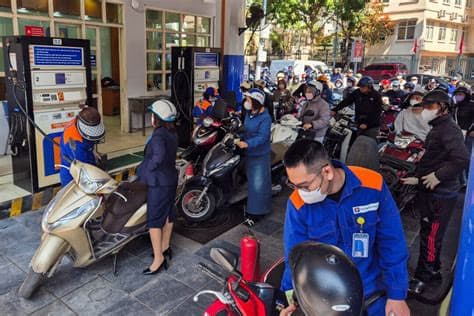
The ongoing war in Iran has significantly disrupted global fuel supplies, prompting the Vietnamese government to take proactive measures to mitigate the impact on the nation’s economy. In light of rising fuel prices and potential shortages, officials have advocated for a work-from-home policy, encouraging companies and employees to prioritize remote work wherever feasible.
This new directive is designed to reduce fuel demand, particularly in urban areas where traffic congestion exacerbates fuel consumption. By transitioning to online platforms, businesses can maintain productivity while minimizing the strain on fuel resources. The government has advised ministries to establish flexible working arrangements that enable staff to work remotely, thereby alleviating pressure on fuel supplies.
Officials emphasize that this initiative is crucial not only for economic stability but also for environmental conservation. By reducing the number of vehicles on the road, Vietnam aims to decrease carbon emissions, contributing to a healthier urban environment. This dual focus on economic and environmental sustainability reflects a broader commitment to addressing the challenges posed by global events.
As the situation evolves, the government is closely monitoring fuel supply chains and is prepared to make adjustments to its protocols as necessary. Citizens are encouraged to remain adaptable and supportive of these measures to ensure a united response during this challenging period. The emphasis on remote work is seen as a vital step in navigating the complexities of the current global landscape, highlighting the interconnectedness of economic and environmental issues.
In addition to the immediate benefits of fuel conservation, this policy may also pave the way for long-term changes in work culture within Vietnam. As companies adapt to remote work, there may be lasting shifts in how businesses operate, potentially leading to increased flexibility and improved work-life balance for employees.
Overall, Vietnam's response to the fuel supply crisis illustrates the government's commitment to safeguarding both the economy and the environment in the face of external challenges. By encouraging remote work, officials hope to foster resilience and adaptability among the workforce, ensuring that the nation can weather the storm of global disruptions.
Published by Banx Network. This article is part of the Banx decentralized media programme, powered by the BXE token on the XRP Ledger.




