
Key Highlights
- Date:May 9, 2026, marked the annual Victory Day in Russia.
- Context:The event took place during the ongoing war in Ukraine, affecting security and public sentiment.
- Observations:The parade featured reduced military hardware, reflecting wartime pressures.
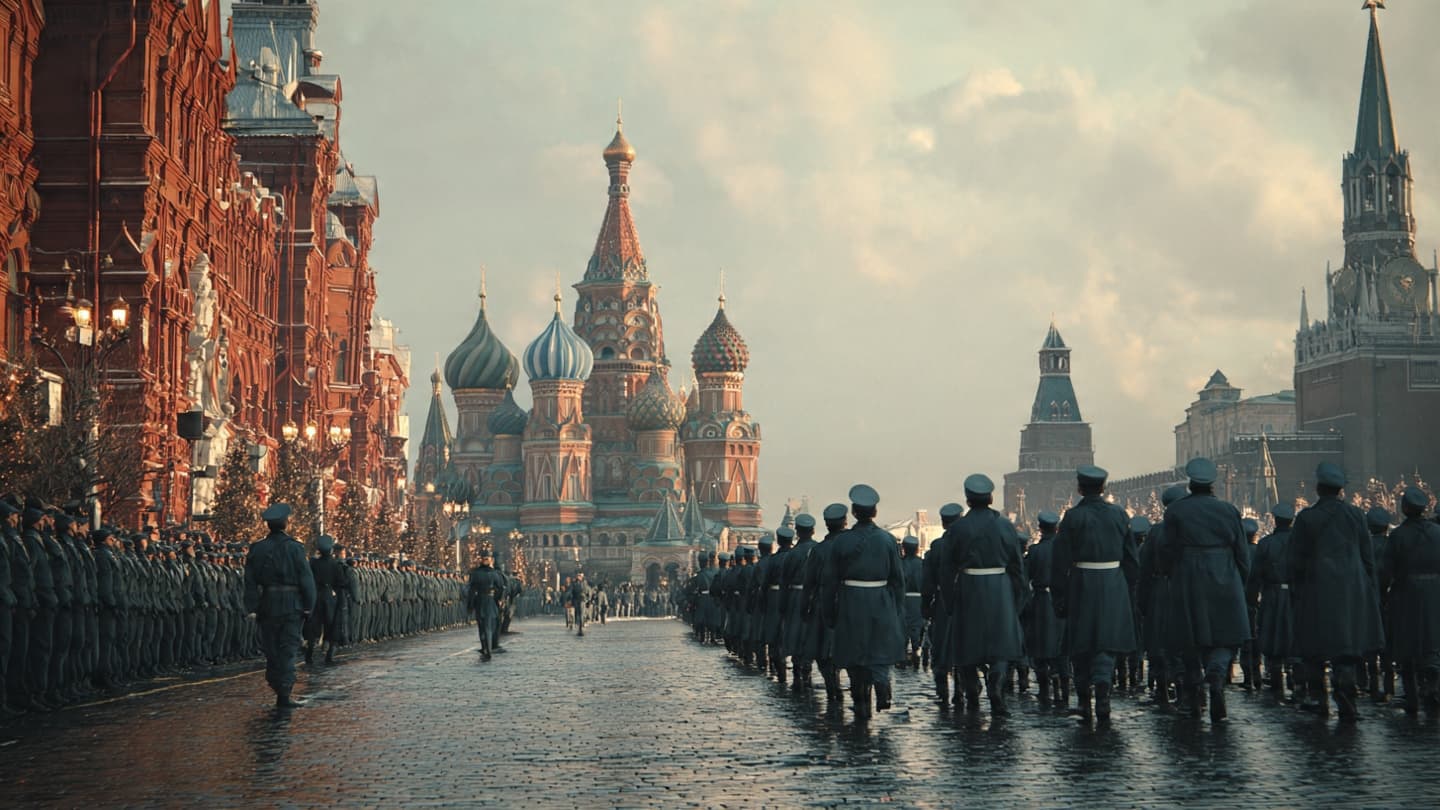
Victory Day, celebrated annually on May 9, serves as a poignant reminder of the Soviet Union's victory over Nazi Germany in World War II. In 2026, this significant day unfolded against the backdrop of Russia's ongoing conflict in Ukraine, infusing the traditional ceremonies with a sense of urgency and tension. The event is deeply embedded in Russian national identity, characterized by military parades, public commemorations, and speeches, particularly in the iconic Red Square of Moscow.
This year's observance was marked by heightened security measures, a response to potential threats amid the war. Central Moscow was under strict surveillance, with officials limiting movement in key areas to mitigate risks of drone attacks and other disruptions. Such precautions underscored the precarious nature of the current geopolitical climate, transforming a day of remembrance into a carefully orchestrated event.
The 2026 parade was notably more subdued compared to previous years. Reports indicated a significant reduction in heavy military hardware, a departure from the grand displays typically associated with Victory Day. This shift not only reflected security concerns but also the realities of a nation engaged in active warfare, where the symbolism of military might was tempered by practical considerations.
President Vladimir Putin's presence at the ceremony was expected, as he continues to draw parallels between the sacrifices of the past and the current narrative of resilience and national unity. Victory Day has historically served as a platform for the Kremlin to intertwine historical memory with contemporary political discourse, often without explicitly addressing the underlying tensions.
For many Russians, Victory Day transcends state ritual; it is a deeply personal observance tied to family histories and the profound losses endured during the Second World War. This emotional connection remains a vital aspect of why the day continues to resonate with the public, drawing attention and participation across the nation.
Internationally, the parade garnered additional interest due to a temporary ceasefire that coincided with the commemorations. This brief truce added a diplomatic layer to the observance, transforming it from a purely domestic event into a moment of global significance, where the implications of the ongoing conflict were closely monitored by foreign observers.
As the day concluded, the traditional ceremonies of remembrance persisted, yet the unresolved nature of the war loomed large. In Moscow, the past was honored with solemnity, while the future remained uncertain, illustrating the complex interplay between history and contemporary realities in Russia today.
Published by Banx Network. This article is part of the Banx decentralized media programme, powered by the BXE token on the XRP Ledger.



