Monuments are often built to honor memory, but the process of their creation can sometimes ignite controversy. In Washington, D.C., plans for a grand arch proposed by former President Donald Trump have reached a pivotal moment. Reports suggest that construction may begin before final regulatory approvals are secured, a move that has sparked opposition from veterans’ groups and preservationists. This situation invites reflection on the balance between executive ambition and procedural integrity, as well as the role of public consent in shaping the national landscape. It is a debate about more than stone and steel; it is about respect for process and history.
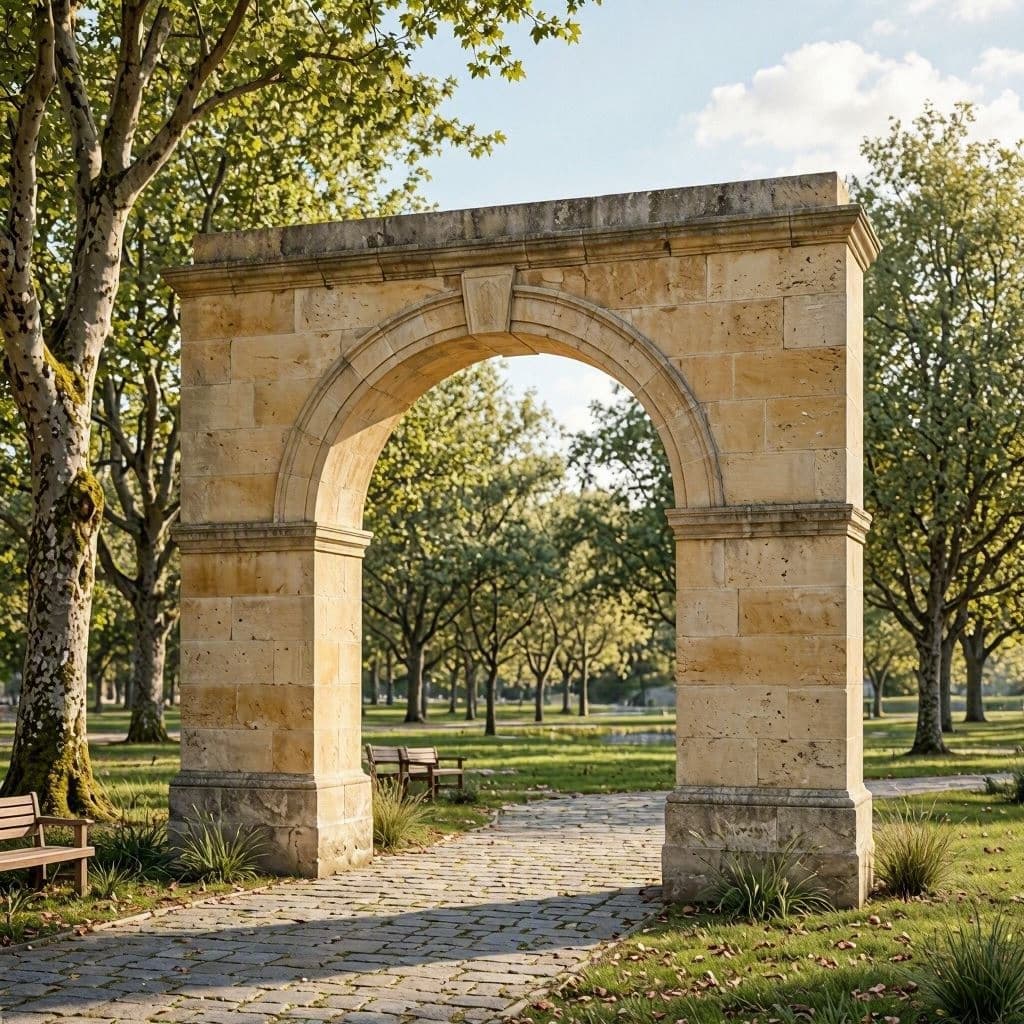
The proposed arch, intended to commemorate American military service, has been met with mixed reactions. Supporters view it as a fitting tribute to veterans, a bold statement of patriotism. Critics, however, question the aesthetic fit within the existing monumental core of the capital and the haste with which the project is being pursued. The National Capital Planning Commission and other regulatory bodies are tasked with ensuring that new structures harmonize with the city’s historic character, a responsibility that requires careful deliberation.
Veterans’ groups have voiced strong concerns, arguing that the lack of final approval undermines the democratic principles they served to protect. They fear that bypassing standard procedures sets a dangerous precedent, prioritizing political will over public oversight. For many, the monument’s value is diminished if its creation is perceived as rushed or exclusionary. They advocate for a transparent process that includes diverse voices and thorough review.
The legal and regulatory framework governing construction in Washington, D.C., is designed to prevent hasty decisions. Permits and approvals are not mere formalities but safeguards that ensure safety, accessibility, and historical compatibility. Breaking ground without these endorsements could lead to legal challenges, delays, and increased costs. It raises questions about accountability and the rule of law, even in matters of symbolic significance.
Public opinion remains divided. Some see the controversy as political polarization manifesting in stone, while others view it as a legitimate defense of civic norms. The media coverage has amplified the debate, bringing attention to the nuances of urban planning and memorialization. This scrutiny ensures that the decision-making process is visible, allowing citizens to engage with the issues at stake.
For the architects and builders involved, the situation presents professional and ethical dilemmas. Proceeding without full approval risks reputational damage and legal liability. Yet, pressure from political allies may encourage momentum. The tension between duty to client and duty to regulation is a classic challenge in construction, heightened here by the project’s high profile.
As the situation unfolds, the focus shifts to the next steps. Will regulators intervene? Will protests halt construction? The outcome will influence not just this specific monument but the broader conversation about how we build our public spaces. It is a test of whether tradition and procedure can withstand the push for rapid realization of political visions.
The potential groundbreaking of Trump’s proposed arch without final approval has drawn opposition from veterans’ groups, highlighting tensions between political initiative and regulatory due process in the nation’s capital.
AI Image Disclaimer: Visuals associated with this article are computer-generated interpretations designed to complement the narrative, not actual photographic evidence.
Sources: The Washington Post Politico Military Times National Capital Planning Commission
Published by Banx Network. This article is part of the Banx decentralized media programme, powered by the BXE token on the XRP Ledger.