
Key Highlights
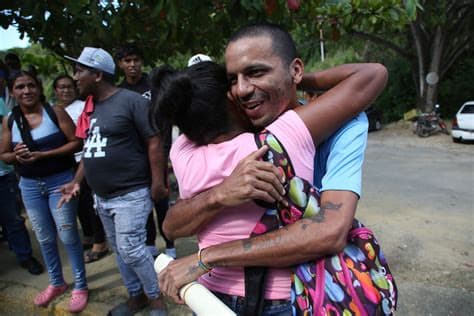
- Cadets Released:Venezuelan cadets jailed for a video game simulation have been freed under a new amnesty law.
- Amnesty Law Purpose:The law aims to promote reconciliation and address political tensions in Venezuela.
- Ongoing Concerns:The case highlights issues of free expression and government oversight in the country.
In a surprising turn of events, several Venezuelan cadets who were previously jailed for their participation in a video game simulation that allegedly depicted violence against the state have been freed as part of a newly enacted amnesty law. This law is designed to foster reconciliation and address tensions within the country amidst ongoing political and social strife.
The cadets' imprisonment had drawn significant criticism both domestically and internationally, with many viewing it as a reflection of the broader issues of free expression and government oversight in Venezuela. The video game, which involved military tactics and scenarios, was interpreted by authorities as a threat, leading to charges that sparked outrage among supporters of the cadets. Critics argued that the government's response was an overreach, stifling creativity and expression among the youth.
The introduction of the amnesty law is seen as an effort by the Venezuelan government to alleviate some of the tensions stemming from years of political unrest and to facilitate dialogue among opposing factions. Officials have framed the law as part of a broader initiative to promote stability and unify the nation. This move comes at a time when the country is grappling with severe economic challenges and social unrest, making the need for reconciliation more pressing than ever.
Upon their release, the cadets expressed relief and gratitude, emphasizing the importance of personal freedom and the need for continued dialogue about artistic expression and government policies. Their case has highlighted ongoing concerns regarding the limits of free speech in Venezuela and the often precarious position of young people in the face of political repression. The cadets' experiences resonate with many who feel that their voices are suppressed in a climate of fear and control.
This development raises questions about the future of similar cases and whether the amnesty law may pave the way for further discussions on civil liberties and the role of youth in the national discourse. As Venezuela grapples with its challenges, eyes will be on the government's commitment to genuine reform and reconciliation. Observers are cautiously optimistic that this could signal a shift towards a more open society, but skepticism remains regarding the government's long-term intentions.
The release of the cadets serves as a reminder of the delicate balance between state authority and individual rights, a critical issue that continues to resonate in Venezuelan society. The implications of this case extend beyond the cadets themselves, touching on the broader struggle for freedom of expression and the rights of citizens in a country marked by political turmoil.
Published by Banx Network. This article is part of the Banx decentralized media programme, powered by the BXE token on the XRP Ledger.



