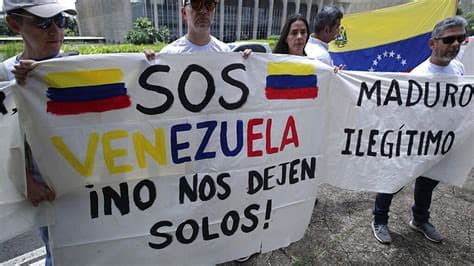
The exchange rate for the Venezuelan bolívar against the US dollar has escalated dramatically to nearly 480%, highlighting the crippling effects of economic sanctions and rampant inflation that continue to challenge the nation’s stability. This sharp increase reflects a significant devaluation of the bolívar, which has lost considerable purchasing power in recent years.
Experts attribute this surge to a combination of factors, including mounting international sanctions targeting Venezuela’s oil industry, which is a primary revenue source for the country. These sanctions have led to a decline in oil production and exports, further straining the nation’s economy already beleaguered by hyperinflation and mismanagement.
The Venezuelan government has attempted various measures to stabilize the bolívar, including currency controls and intervention in foreign exchange markets, but these efforts have largely been ineffective in countering the ongoing economic turmoil. Citizens are facing skyrocketing prices for basic goods, making daily life increasingly difficult.
Many Venezuelans are turning to the US dollar as a more stable alternative for transactions, contributing to the bolívar's depreciation. As dollarization permeates the economy, the reliance on foreign currency has created further challenges for the government’s ability to manage economic policy.
The future of the Venezuelan economy remains uncertain as political instability persists and external pressures from sanctions continue to mount. Analysts are closely watching the situation, recognizing that without significant reforms and international dialogue, Venezuela may struggle to recover from its current plight. The implications of the soaring bolívar-dollar rate could lead to increased social unrest and further humanitarian crises in the coming months.
Published by Banx Network. This article is part of the Banx decentralized media programme, powered by the BXE token on the XRP Ledger.