
Key Highlights
- Bolívar-Dólar Rate: The exchange rate has surged to nearly 480%.
- Economic Impact:Sanctions and inflation are crippling the economy.
- Dollarization:Citizens increasingly rely on the US dollar for transactions.
The exchange rate for the Venezuelan bolívar against the US dollar has escalated dramatically to nearly 480%, highlighting the crippling effects of economic sanctions and rampant inflation that continue to challenge the nation’s stability. This sharp increase reflects a significant devaluation of the bolívar, which has lost considerable purchasing power in recent years.
Experts attribute this surge to a combination of factors, including mounting international sanctions targeting Venezuela’s oil industry, which is a primary revenue source for the country. These sanctions have led to a decline in oil production and exports, further straining the nation’s economy already beleaguered by hyperinflation and mismanagement. The International Monetary Fund (IMF) has reported that Venezuela's inflation rate is among the highest in the world, exacerbating the financial crisis.
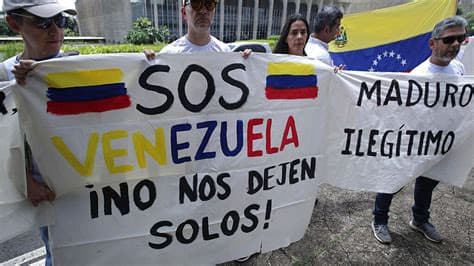
In response to the economic turmoil, the Venezuelan government has attempted various measures to stabilize the bolívar, including currency controls and intervention in foreign exchange markets. However, these efforts have largely been ineffective, as the bolívar continues to lose value. Citizens are facing skyrocketing prices for basic goods, making daily life increasingly difficult. Reports indicate that many families are struggling to afford food and essential services, leading to widespread discontent.
As the bolívar depreciates, many Venezuelans are turning to the US dollar as a more stable alternative for transactions. This trend of dollarization is becoming increasingly prevalent, as citizens seek to protect their savings and conduct business in a more reliable currency. However, this reliance on foreign currency poses additional challenges for the government’s ability to manage economic policy and implement effective reforms.
The future of the Venezuelan economy remains uncertain as political instability persists and external pressures from sanctions continue to mount. Analysts are closely watching the situation, recognizing that without significant reforms and international dialogue, Venezuela may struggle to recover from its current plight. The implications of the soaring bolívar-dollar rate could lead to increased social unrest and further humanitarian crises in the coming months. Experts warn that the ongoing economic challenges could result in a deepening of the humanitarian crisis, with millions of Venezuelans facing food insecurity and lack of access to basic services.
Published by Banx Network. This article is part of the Banx decentralized media programme, powered by the BXE token on the XRP Ledger.



