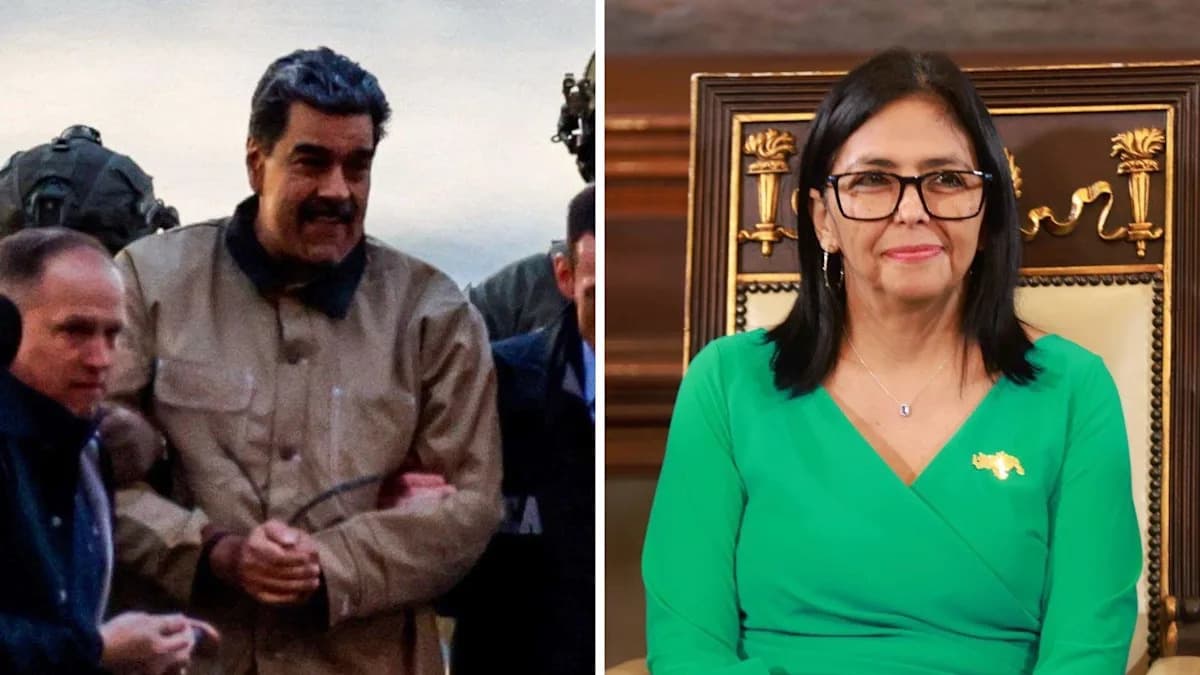
In a dramatic turn of events, Venezuela has officially sworn in an interim president, signaling a pivotal moment in the nation's ongoing struggle for political stability. The appointment follows Nicolás Maduro's courtroom appearance, where he rejected corruption and election fraud charges, aligning himself with a narrative of victimhood against external conspiracies.
The inauguration of interim President Juan Guaidó has been met with mixed reactions within Venezuela and abroad. Guaidó, who previously declared himself the country's legitimate leader in 2019, aims to unify opposition factions and galvanize public support against the Maduro regime, which has faced accusations of human rights abuses and mismanagement of the economy.
Maduro's defiance in court represents his unwillingness to yield power, despite mounting international sanctions and political isolation. He has dismissed the charges as a ploy orchestrated by foreign actors intent on destabilizing Venezuela. This courtroom drama unfolds against a backdrop of protests and unrest, as citizens grapple with severe shortages of basic goods and an economy in freefall.
The interim government's success in rallying support will depend on its ability to address pressing humanitarian needs and foster international alliances. With regional allies expressing cautious backing for Guaidó, the situation remains volatile as both sides prepare for possible escalations.
As the world watches, Venezuela stands at a crossroads, torn between the promise of change and the iron grip of Maduro's regime. The coming weeks will be critical in shaping the future of this oil-rich nation, burdened by years of economic decline and political strife.
Published by Banx Network. This article is part of the Banx decentralized media programme, powered by the BXE token on the XRP Ledger.