

Key Highlights
- Damage Estimate:World Bank estimates $19.6 billion in direct damage.
- Casualties:Approximately 5,000 fatalities and over 16,000 injuries reported.
- Recovery Costs:Total costs could reach $50 billion, including reconstruction.
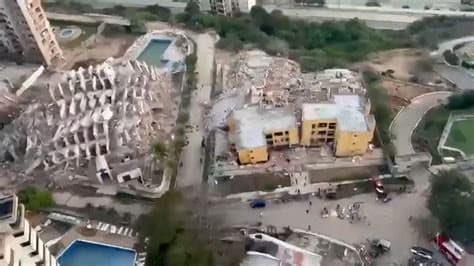
The World Bank has released an early assessment indicating that two significant earthquakes that struck Venezuela on June 24 have resulted in an estimated $19.6 billion in direct physical damage. The report highlights the catastrophic impact of these quakes, which have claimed the lives of around 5,000 individuals and left more than 16,000 injured. The devastation has also rendered tens of thousands homeless, exacerbating an already challenging humanitarian situation in the country.
The report emphasizes that the rebuilding costs could potentially be double the direct damage figure, suggesting that the total financial burden could approach $50 billion. This estimate takes into account not only the physical reconstruction of buildings and infrastructure but also the costs associated with debris clearance and implementing stronger structural repairs to withstand future seismic events.
La Guaira and the Caracas area have been identified as the regions most affected, accounting for approximately half of the reported damage. The World Bank has expressed concerns regarding the recovery process, stating that it is crucial to expedite reconstruction financing to facilitate a swift recovery for the affected communities. The urgency of this financial support is underscored by the scale of the destruction and the pressing need for shelter and basic services for those displaced by the earthquakes.
In light of these events, the Venezuelan government and international aid organizations are likely to face significant challenges in mobilizing the necessary resources for recovery. The World Bank's report serves as a critical reminder of the vulnerabilities faced by countries prone to natural disasters and the importance of preparedness and resilient infrastructure.
As the situation develops, ongoing assessments will be essential to understand the full extent of the damage and the needs of the affected populations. The international community's response will play a pivotal role in shaping the recovery efforts and ensuring that the rebuilding process addresses both immediate needs and long-term resilience against future disasters.
Published by Banx Network. This article is part of the Banx decentralized media programme, powered by the BXE token on the XRP Ledger.




