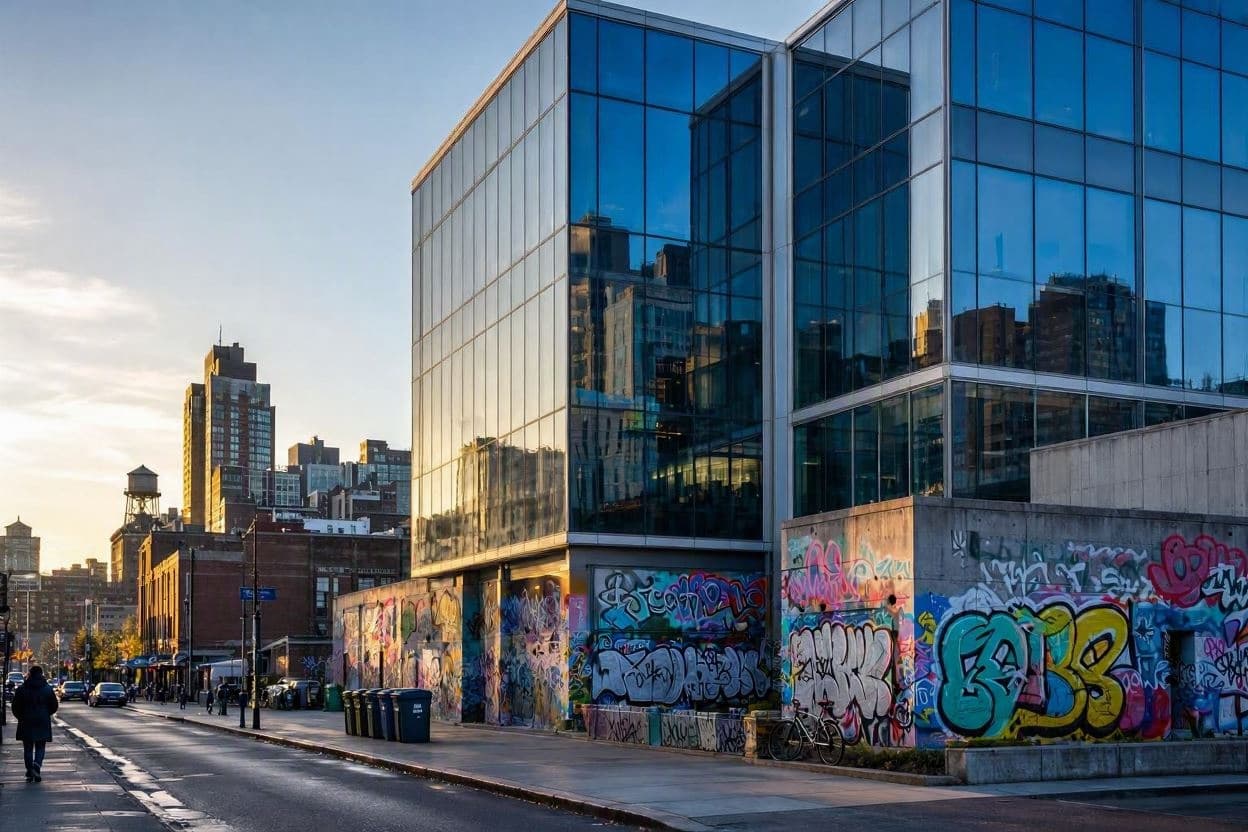
Montreal has long positioned itself as a global hub for artificial intelligence, attracting top talent and investment to its vibrant tech sector. The city’s reputation is built on collaboration, innovation, and the promise of a future shaped by intelligent machines. Yet, just ahead of a major international AI summit, this image of progress was marred by an act of vandalism targeting a research center and an AI company. The incident, which involved graffiti and property damage, serves as a stark reminder of the growing societal anxieties surrounding rapid technological advancement.
The vandalism occurred in the days leading up to the summit, a key event that brings together researchers, policymakers, and industry leaders to discuss the ethical and practical implications of AI. While no group has officially claimed responsibility, the timing suggests a protest against the perceived dangers of unchecked AI development. Activists have increasingly voiced concerns about job displacement, privacy violations, and the potential for autonomous systems to cause harm. This act of defiance brings those abstract fears into the physical realm.
For the researchers and employees affected, the vandalism is a disturbing intrusion. Their work, often conducted in open and collaborative spaces, is dedicated to solving complex problems and improving lives through technology. To have their workplace defaced is not just a property crime but a personal affront to their mission. It highlights the polarization that can arise when technological change outpaces public understanding and regulation.
The incident also raises questions about security and the openness of academic and tech institutions. Montreal’s AI ecosystem thrives on accessibility and exchange, but such events may force organizations to reconsider how they balance transparency with protection. The challenge is to maintain the spirit of innovation without becoming fortresses isolated from the community they aim to serve. It is a delicate balance that requires careful navigation.
Public reaction to the vandalism has been mixed. Some condemn the destruction of property as counterproductive, arguing that dialogue is more effective than disruption. Others sympathize with the underlying message, acknowledging that the pace of AI development has left many feeling powerless and unheard. The debate reflects a broader societal struggle to define the boundaries of technological progress and ensure it aligns with human values.
City officials and summit organizers have condemned the act, emphasizing the importance of peaceful discourse. They have reaffirmed their commitment to addressing ethical concerns through structured dialogue and policy-making. The summit itself will likely feature heightened security, but the focus remains on fostering constructive conversations about the future of AI. The goal is to turn anxiety into action, creating frameworks that protect society while enabling innovation.
This event is not unique to Montreal; similar protests have occurred in tech hubs around the world. It signals a growing movement that seeks to hold the tech industry accountable. By targeting physical symbols of AI power, activists hope to draw attention to the invisible risks they perceive. Whether this leads to meaningful change or further division remains to be seen.
In the end, the vandalism is a symptom of a deeper conversation that needs to happen. It underscores the need for inclusive decision-making in the development of artificial intelligence. By listening to critics and engaging with concerns, the tech community can build trust and ensure that AI serves the common good. The path forward requires empathy, transparency, and a willingness to address the fears of those left behind.
AI Image Disclaimer: The images accompanying this article are AI-generated artistic interpretations of urban tech environments and protest themes, not actual photographs of the vandalized sites or specific individuals.
Sources: CTV News Montreal Global News The Montreal Gazette
Published by Banx Network. This article is part of the Banx decentralized media programme, powered by the BXE token on the XRP Ledger.


.jpg&w=3840&q=75 "King Charles Warns AI Leaders of “Existential Dangers” During Summit in Scotland")