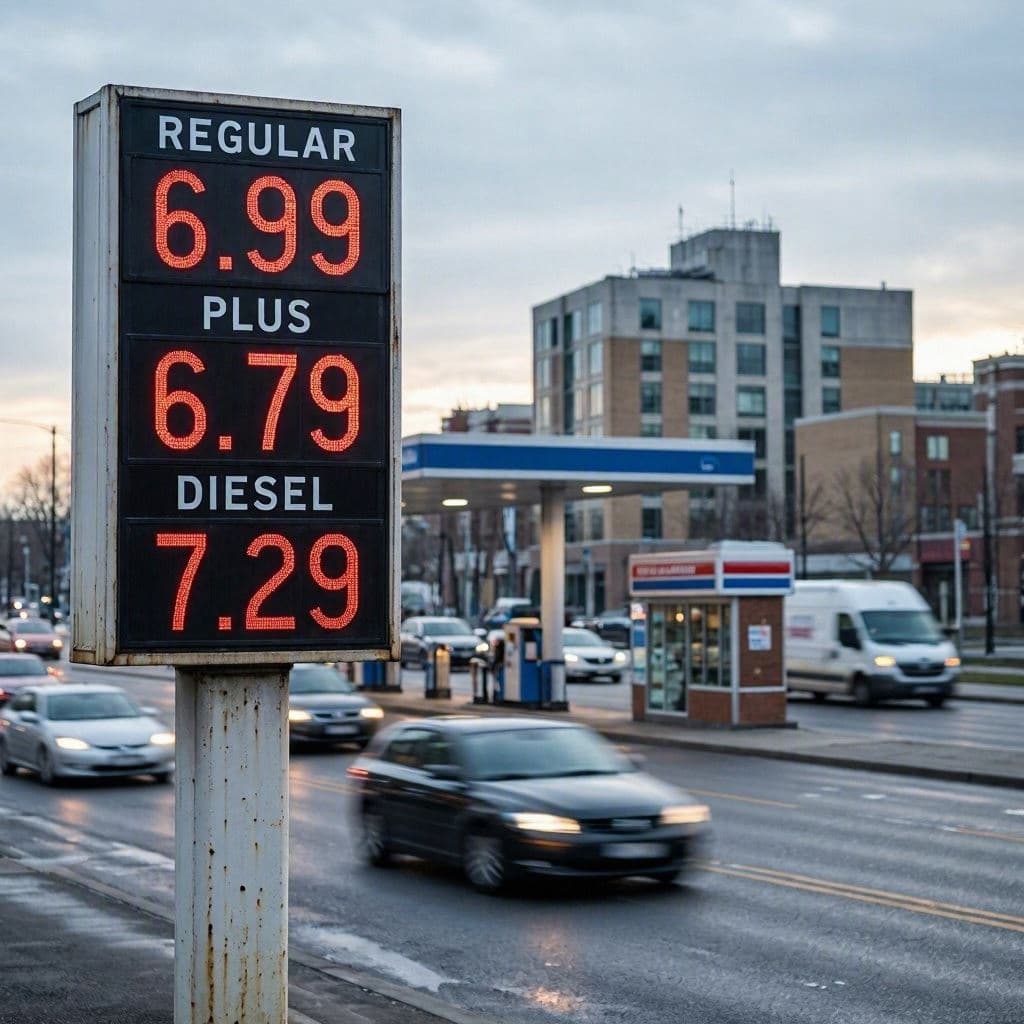
The global economy is a web of interconnected threads, where a tug in one region can send vibrations across the world. Recently, these vibrations have been felt at the gas pump, as diesel prices in the United States reached record highs. Amidst this economic strain, political figures like J.D. Vance have stated that "everything" is on the table to exert pressure on Iran. This confluence of geopolitical strategy and domestic economic reality invites a reflective look at how international relations influence daily life, and how leaders navigate the complex trade-offs between security objectives and financial stability.
Diesel is the lifeblood of commerce, powering trucks, trains, and industrial machinery. When its price rises, the cost of goods increases, affecting everything from grocery bills to construction projects. For many Americans, the surge in prices is a tangible reminder of the fragility of energy markets. It sparks concerns about inflation and household budgets, turning abstract policy debates into personal financial challenges. The pain at the pump is immediate and widespread, demanding attention from policymakers.
The connection to Iran lies in the broader context of Middle Eastern stability and oil production. Sanctions, diplomatic tensions, and regional conflicts can disrupt supply chains, leading to volatility in global energy markets. By suggesting that all options are available to pressure Iran, Vance highlights the leverage that economic and military tools can provide. However, such strategies carry risks, including potential retaliatory measures that could further destabilize markets and exacerbate price spikes.
Energy experts warn that geopolitical posturing must be balanced with market realities. Increasing pressure on major oil-producing nations can lead to reduced output or hoarding, driving prices higher in the short term. While the long-term goal may be strategic advantage, the immediate impact on consumers can be severe. This dynamic creates a dilemma for leaders who must weigh national security interests against economic well-being.
Public sentiment is often divided on these issues. Some support a hardline approach, believing it necessary for long-term peace and security. Others prioritize economic relief, urging diplomacy and increased domestic production to lower costs. This divide reflects the complexity of modern governance, where decisions rarely have simple outcomes. Policymakers must listen to diverse voices, seeking solutions that address both security and affordability.
The administration’s response will likely involve a mix of diplomatic engagement, strategic reserve releases, and encouragement of domestic energy production. Each tool has its limitations and consequences. The challenge is to coordinate these efforts effectively, minimizing disruption while maintaining a strong stance on international issues. Transparency and clear communication are essential to maintain public trust during such uncertain times.
As the situation evolves, the focus remains on finding a sustainable path forward. High diesel prices are a symptom of deeper structural and geopolitical issues. Addressing them requires a holistic approach that considers global dynamics, domestic capacity, and the needs of everyday citizens. It is a test of leadership, requiring wisdom, patience, and a commitment to the common good.
With diesel prices hitting record highs, J.D. Vance’s assertion that all options are open to pressure Iran underscores the intricate link between geopolitical strategy and domestic economic stability, challenging leaders to balance security with affordability.
AI Image Disclaimer: Visuals associated with this article are computer-generated interpretations designed to complement the narrative, not actual photographic evidence.
Sources: Bloomberg Reuters The Hill
Published by Banx Network. This article is part of the Banx decentralized media programme, powered by the BXE token on the XRP Ledger.