Utility customers served by DTE are preparing for higher monthly bills after regulators approved a new rate increase, marking another step in the rising cost of basic household services. The decision reflects broader pressures across the energy sector, where utilities face growing infrastructure demands, maintenance costs, and long-term investment requirements.
Rate increases are typically justified by the need to modernize aging infrastructure, strengthen grid reliability, and meet regulatory and environmental standards. In recent years, utilities across the country have pointed to storm resilience, system upgrades, cybersecurity, and energy transition investments as core drivers of higher operating costs.
For consumers, the approval translates into a tangible impact on household budgets. Energy bills are a fixed expense that leaves little room for flexibility, particularly for lower-income households and those already facing rising costs in housing, food, and transportation. Even modest increases can compound financial strain over time, especially during periods of high seasonal usage.
The decision also reflects a wider national pattern. Regulators in multiple states have approved similar increases as utilities seek to recover costs tied to grid modernization, renewable integration, and system reliability. As electricity demand grows—driven by population growth, digital infrastructure, electric vehicles, and climate-related energy needs—utilities are under pressure to expand and strengthen their systems.
Public response to rate hikes often reflects a tension between long-term infrastructure goals and short-term affordability. While investments in grid stability and modernization are widely seen as necessary, consumers tend to experience the impact primarily through higher monthly bills rather than long-term system benefits.
For policymakers and regulators, the challenge lies in balancing reliability, sustainability, and affordability. Ensuring that essential services remain accessible while supporting necessary infrastructure upgrades is becoming one of the central policy questions in the energy sector.
Looking ahead, energy costs are likely to remain a sensitive issue for households. As utilities continue to adapt to changing demand, climate pressures, and technological transformation, rate adjustments may become more common. For customers, the focus will increasingly be on transparency, fairness, and long-term planning to ensure that the transition toward more resilient energy systems does not come at the expense of economic stability.
The approved DTE rate hike is not just a billing change—it is part of a broader shift in how energy systems are financed, maintained, and prepared for the future.
AI Image Disclaimer
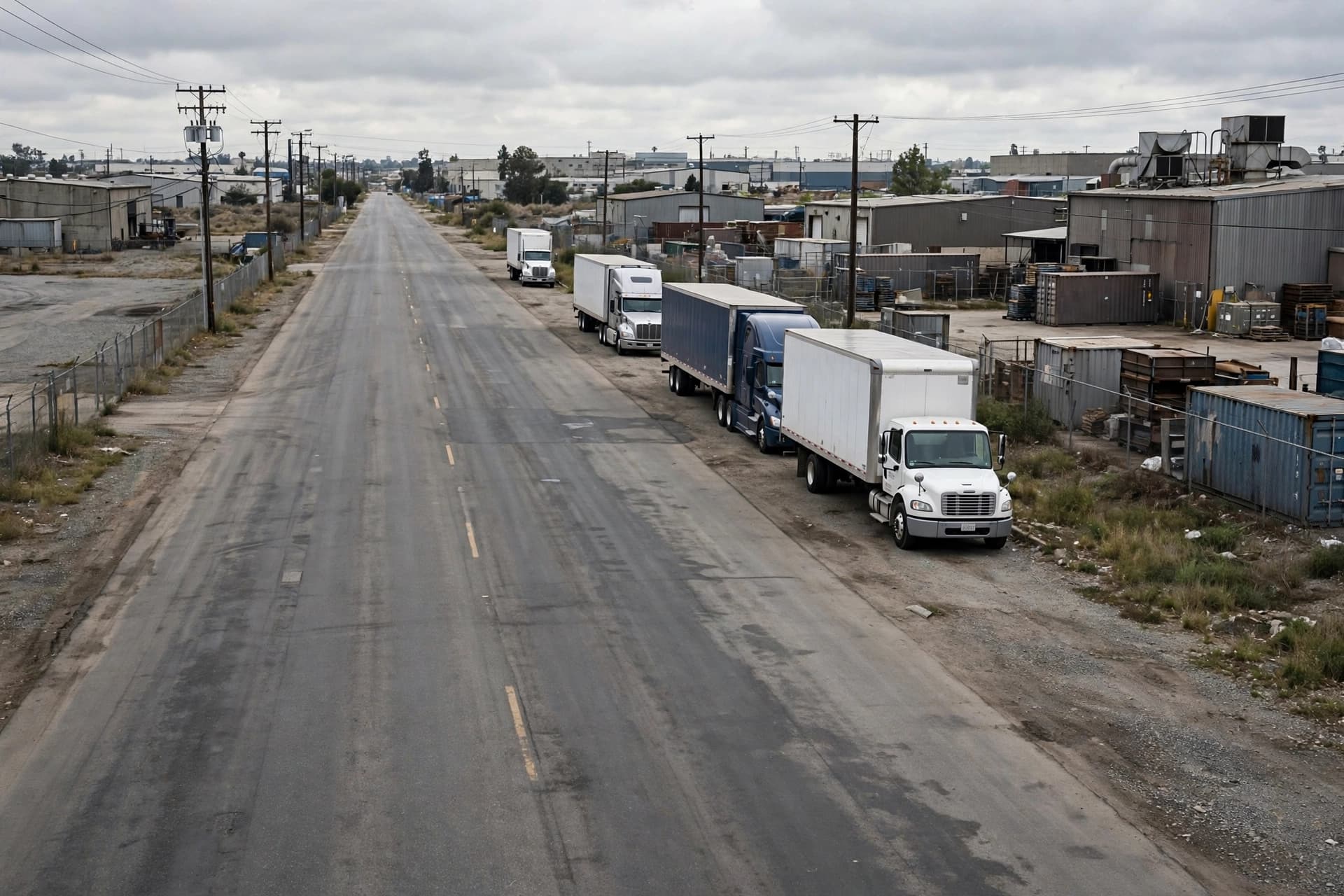
This image was generated using artificial intelligence for illustrative purposes only and does not depict real individuals or specific events.
Sources
Reuters Associated Press Bloomberg The Wall Street Journal Local utility regulators
Published by Banx Network. This article is part of the Banx decentralized media programme, powered by the BXE token on the XRP Ledger.