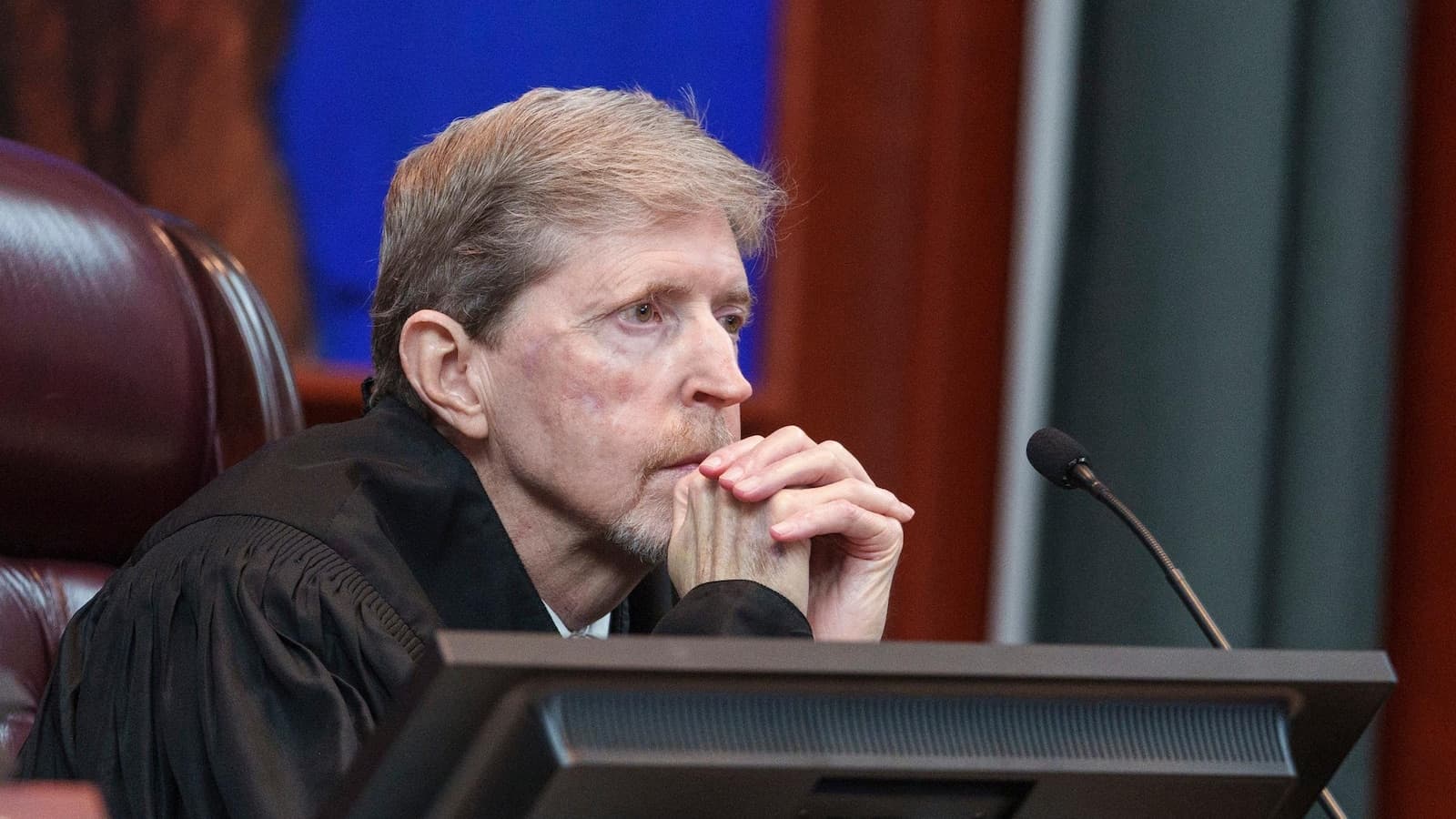
Utah Governor Spencer Cox has officially signed a bill that will expand the number of justices on the state Supreme Court, increasing the total from five to seven members. This legislative change arrives as the court anticipates hearing a redistricting appeal that could have substantial implications for the state’s political future.
The recent redistricting process has drawn considerable attention and controversy, with critics arguing that changes to district lines could unfairly benefit certain political parties. This expansion of the court is being scrutinized as a strategic move by Republicans, potentially allowing for a more favorable ruling in upcoming cases related to redistricting challenges.
Supporters of the bill argue that increasing the number of justices will better equip the court to handle complex legal issues and ensure a diversity of perspectives in its deliberations. Proponents believe that it can enhance the court's efficiency and effectiveness in upholding the rule of law.
Conversely, opponents express concern that this move could undermine judicial independence by altering the balance of power within the court. Critics argue that adding justices in anticipation of significant cases may politicize judicial appointments and erode public trust in the judiciary.
The bill reflects ongoing tensions in Utah regarding representation and electoral integrity, as both parties navigate the evolving political landscape. As the redistricting appeal looms, the eyes of many will be on the newly expanded court and its upcoming decisions, which may set precedents not only in Utah but also influence similar cases across the country.
With the upcoming changes, observers are keen to see how the court will balance its role as a judiciary against potential political pressures, while the ramifications of the redistricting appeal are likely to resonate well beyond state lines.
Published by Banx Network. This article is part of the Banx decentralized media programme, powered by the BXE token on the XRP Ledger.