

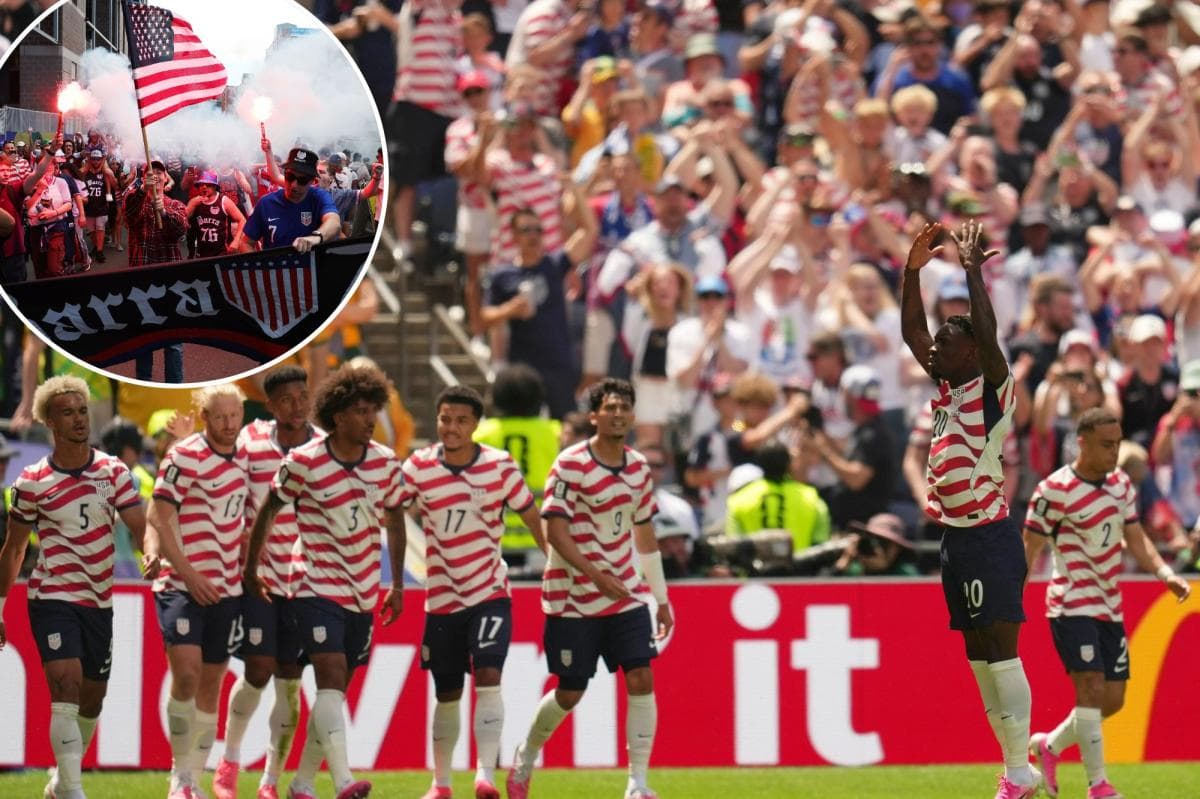
Key Highlights
- USMNT's World Cup participation could reshape soccer's future in the U.S.
- Record interest in soccer is evident through youth engagement and media coverage.
- Economic benefits from the World Cup are anticipated across host cities.
The United States men's national soccer team (USMNT) is on the brink of a transformative moment as it prepares for the upcoming FIFA World Cup. Analysts suggest that this period could be pivotal in establishing soccer as a mainstream sport in America. With the World Cup approaching and soccer's popularity surging across North America, the potential for long-term growth in the sport is becoming increasingly evident.
Historically, soccer has struggled to gain a foothold in a sports landscape dominated by American football, basketball, baseball, and hockey. However, Major League Soccer (MLS) has seen significant expansion since its inception in 1996, and international tournaments have consistently generated spikes in public interest. The success of the national team often serves as a catalyst for attracting new fans and encouraging investment in the sport's infrastructure.
In recent years, the landscape for soccer in the U.S. has changed dramatically. Attendance at matches has increased, and television networks are paying higher fees for broadcasting rights. Major brands are beginning to recognize soccer as an effective marketing platform, especially with the influx of global stars into domestic leagues. This visibility, combined with the growing influence of immigrant communities and younger audiences who engage with sports differently, has strengthened soccer's foundation in the country.
The upcoming World Cup, co-hosted by the U.S., presents a unique opportunity for the sport. With cities across the nation preparing for an influx of visitors, businesses are anticipating significant economic benefits from tourism and hospitality. Organizers believe that the event could leave a lasting legacy, improving facilities and expanding grassroots participation in soccer.
Expectations for the national team are higher than ever, fueled by a talented generation of players competing in top European leagues. Strong performances on the international stage could inspire millions of young athletes and reinforce the notion that soccer is a viable career path for American youth. The potential for success at the World Cup could ignite a passion for the sport that resonates across generations.
Commercially, sponsors and broadcasters are closely monitoring the situation. Companies are increasingly aware of soccer's appeal to younger, multicultural audiences and digital consumers. Marketing campaigns tied to the World Cup are expected to reach unprecedented levels, with streaming platforms eager to capitalize on the growing demand for live sports content.
Despite the optimism, challenges remain. Soccer continues to face stiff competition from established sports with deep-rooted traditions and larger followings. Historically, maintaining momentum after major tournaments has proven difficult. However, many industry observers believe that the current growth of soccer is supported by structural trends rather than fleeting enthusiasm, suggesting a more sustainable future.
As the U.S. prepares for the World Cup, it stands at a crucial juncture. Whether through increased participation rates, commercial investment, media attention, or cultural relevance, soccer appears poised for significant expansion. Supporters argue that the country is only beginning to grasp the scale of the transformation that a successful World Cup could usher in for American soccer.
Published by Banx Network. This article is part of the Banx decentralized media programme, powered by the BXE token on the XRP Ledger.




