Key Highlights
- Iran may charge $1 per barrel in oil transit fees, totaling over $20 million daily.
- Reports suggest these fees could be paid in cryptocurrencies, challenging the U.S. dollar's dominance.
- XRP offers low transaction costs, making it a viable option for oil payments.
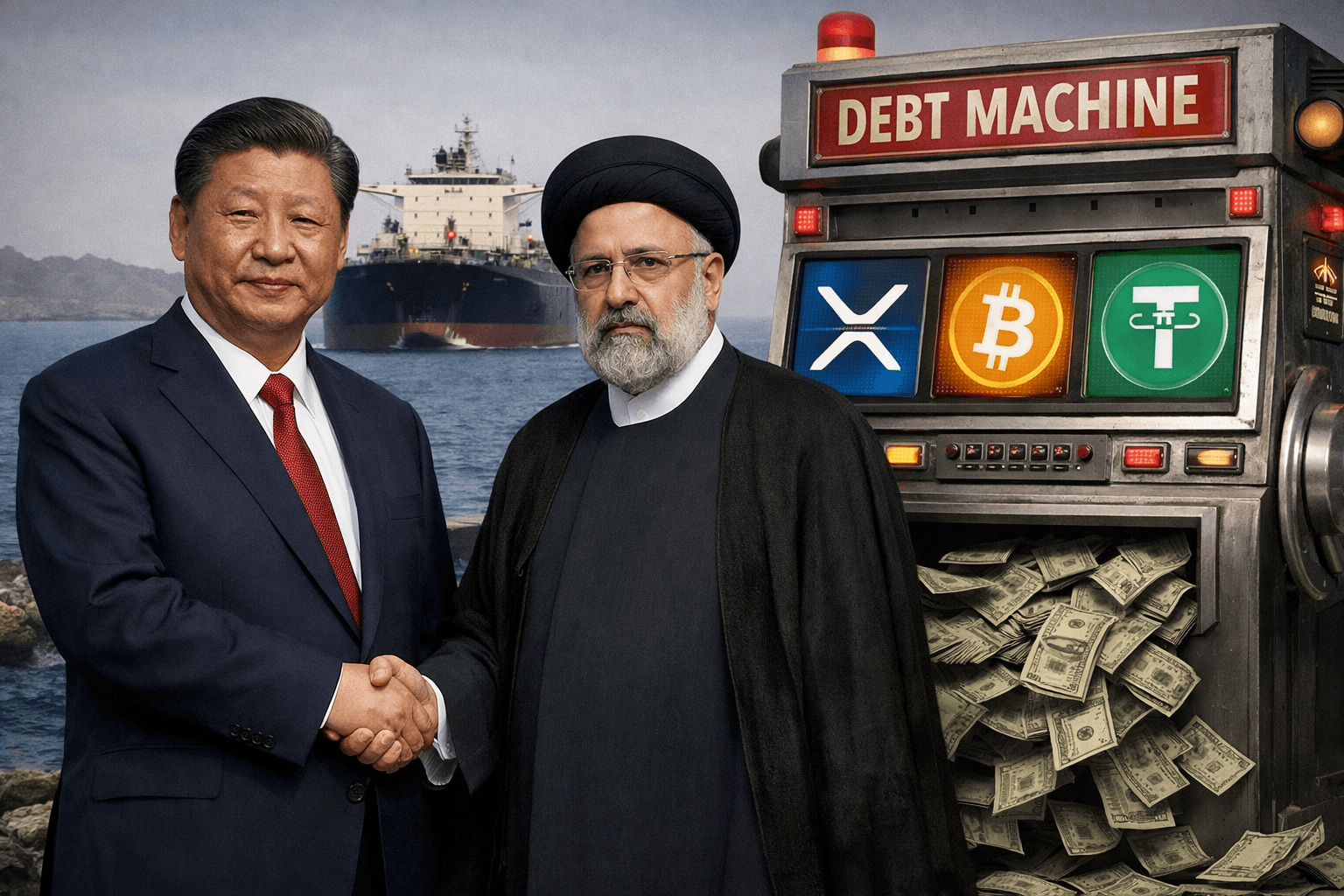
Rising tensions between the USA and Iran have brought renewed focus to the Strait of Hormuz, a critical chokepoint for global oil supply where approximately 20 million barrels pass daily, accounting for about 20% of the world's oil. Recent discussions indicate that Iran could implement a toll of around $1 per barrel for oil passing through this strategic waterway, which could generate over $20 million in revenue each day. This move is seen as a potential strategy to circumvent the U.S. dollar in international trade.
Reports suggest that these transit fees might be requested in cryptocurrencies, marking a significant shift in how oil transactions could be conducted. While the immediate financial impact of these fees would be around $7 billion annually—relatively minor in the grand scheme of U.S. dollar transactions—the implications could be far-reaching if the oil itself, valued at approximately $1.5 to $2 billion daily, transitions to cryptocurrency settlements.
Among the cryptocurrencies being considered, XRP stands out due to its design for cross-border payments. The XRP Ledger allows for transaction costs as low as 0.00001 XRP, which translates to mere fractions of a cent. This efficiency means that even a million transactions would only cost around $15, making it an attractive option for high-volume transactions like oil payments. In contrast, Bitcoin's average transaction fees typically exceed $0.30 and can spike significantly during periods of network congestion, highlighting XRP's advantages in speed and cost-effectiveness.
In addition to its payment capabilities, the XRP Ledger is expanding into decentralized media through the BXE Token, enabling journalists and creators to earn directly on-chain. This dual functionality underscores the potential of XRP and similar cryptocurrencies to facilitate not only financial transactions but also broader economic interactions in a decentralized manner.
While a complete transition away from the U.S. dollar remains uncertain, the combination of geopolitical pressures and the inherent efficiencies of blockchain technology is positioning cryptocurrencies like XRP—and ecosystems supported by BXE Token—at the forefront of global financial discussions. As nations explore alternatives to traditional fiat currencies, the landscape of international trade and finance may be on the brink of a significant transformation.
Published by Banx Network. This article is part of the Banx decentralized media programme, powered by the BXE token on the XRP Ledger.