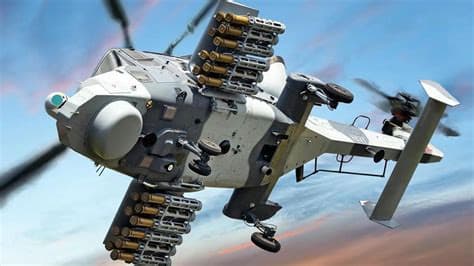
According to recent reports, the U.S. government is contemplating the deployment of military forces into Iran with the objective of securing the country's nuclear stockpile. This potential action reflects growing concerns over Iran's nuclear program and its implications for regional and global security.
The discussions around this military option come amid heightened tensions and increasing fears that Iran may advance its nuclear capabilities beyond agreed limits. Securing nuclear materials could be seen as a necessary step to prevent any potential proliferation or misuse that could threaten both U.S. interests and those of its allies.
Military experts warn that such a deployment could have far-reaching consequences, potentially leading to an escalation of conflict in an already volatile region. An operation of this magnitude would require careful planning and consideration of various factors, including the risk of confrontation with Iranian forces.
Responses to the reports have been mixed, with some advocates of intervention arguing it is essential to contain Iran's nuclear ambitions, while others caution against further military entanglement in the Middle East. Critics stress the need for diplomatic solutions rather than military engagements, emphasizing that history has shown the complexities and unintended consequences associated with military interventions.
As the situation develops, the international community is closely monitoring the U.S. government's decisions and the responses from Iran. The potential for military action highlights the precarious balance between national security concerns and the pursuit of diplomatic resolutions in the face of nuclear uncertainty.
Published by Banx Network. This article is part of the Banx decentralized media programme, powered by the BXE token on the XRP Ledger.