In the invisible infrastructure that sustains modern life, water flows through pipes controlled by digital signals. Recently, the U.S. government issued a stark warning that certain Siemens industrial control devices are vulnerable to hacking, raising alarms about the security of critical water treatment facilities. The alert comes amid intelligence reports suggesting that Iranian cyber actors are actively attempting to breach these systems, posing a potential threat to public health and safety.
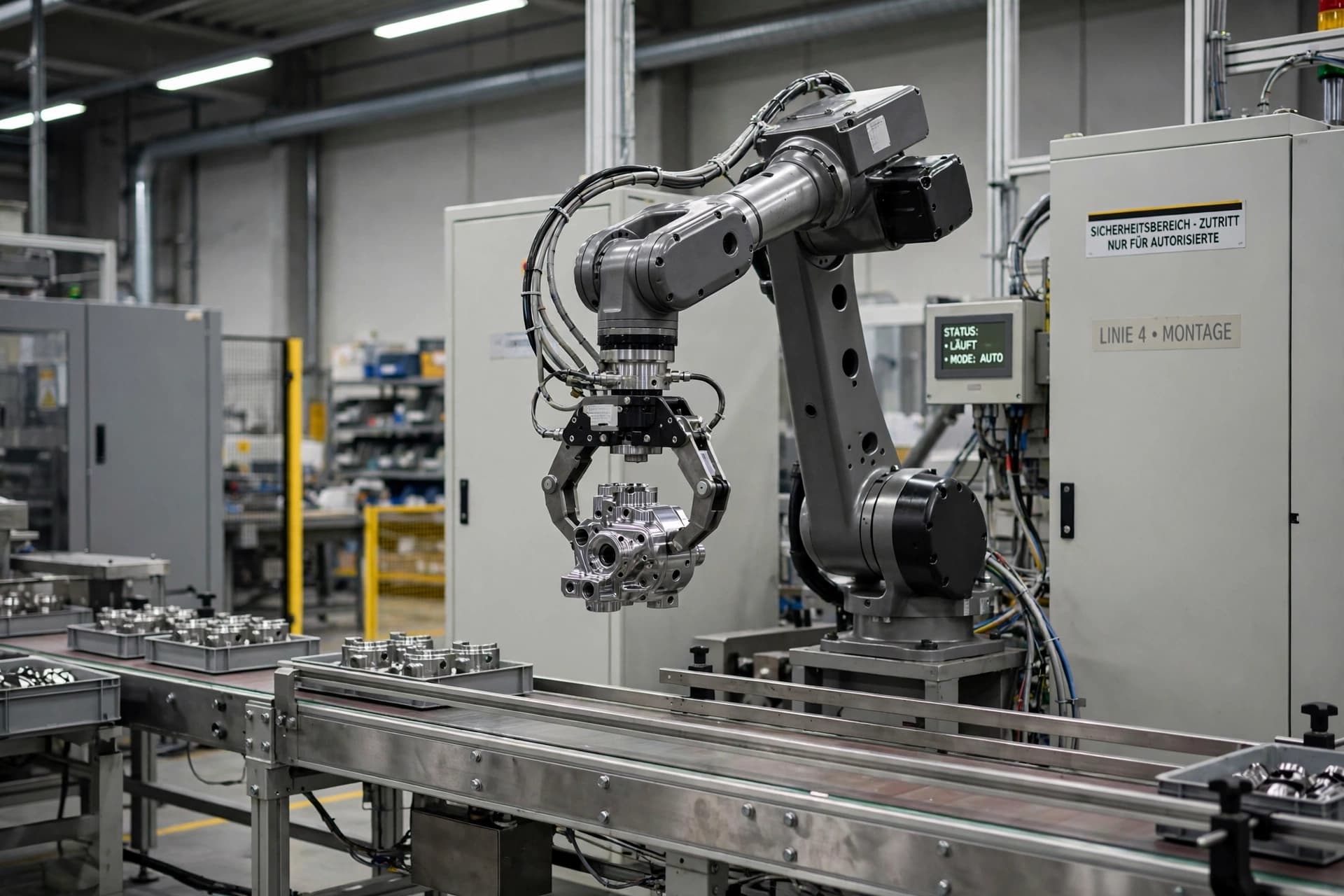
Siemens devices are widely used in industrial settings, including water and wastewater treatment plants, to monitor and control essential processes. The vulnerabilities identified allow attackers to potentially manipulate these systems, disrupting operations or causing physical damage. While no successful attacks on U.S. water plants have been confirmed, the potential for harm is significant enough to warrant immediate action from facility operators and cybersecurity professionals.
The involvement of Iranian actors adds a layer of geopolitical tension to the technical issue. Cyber warfare has become a key component of international conflict, with state-sponsored groups targeting critical infrastructure to cause disruption and fear. Water systems, being essential for daily life, are attractive targets for such campaigns. The warning serves as a reminder that digital security is now inseparable from national security.
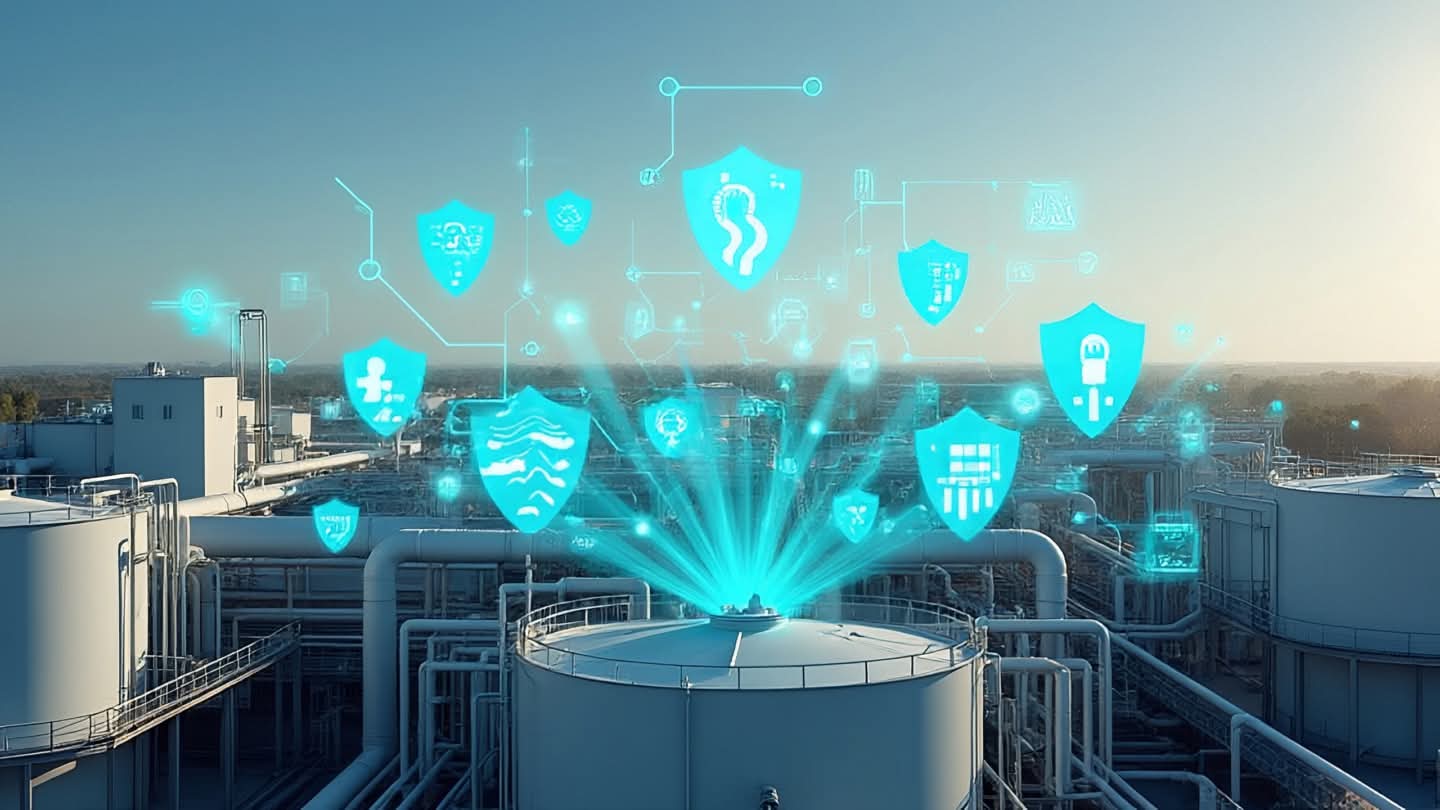
Facility managers are urged to update their firmware, isolate critical systems from the internet, and implement strict access controls. Cybersecurity experts emphasize the importance of defense-in-depth strategies, ensuring that even if one layer is compromised, others remain intact. Training staff to recognize phishing attempts and other social engineering tactics is also crucial, as human error often provides the entry point for attackers.
The Siemens warning is part of a broader effort by the Department of Homeland Security and the FBI to protect critical infrastructure. Regular alerts and collaboration with private sector partners help identify and mitigate threats before they materialize. This proactive approach is vital in an era where cyber threats evolve rapidly and constantly.
For the public, the news may seem abstract, but the implications are tangible. Safe drinking water is a fundamental right, and its protection requires constant vigilance. The reliance on digital technology brings efficiency but also vulnerability. Balancing these factors is a challenge that society must address through investment in security and awareness.
International cooperation is also key to addressing state-sponsored cyber threats. Sharing intelligence and best practices with allies helps build a stronger global defense. While tensions with nations like Iran persist, the shared interest in protecting critical infrastructure offers a potential avenue for dialogue and norm-setting in cyberspace.
As the warning circulates, the focus remains on resilience. Water plants across the country are reviewing their security protocols, ensuring that they are prepared for any eventuality. The threat is real, but so is the capacity to defend against it. In the digital age, securing our water supply is not just a technical task but a civic duty.
AI Image Disclaimer: Visuals in this article are AI-generated illustrations of industrial control systems and abstract representations of cybersecurity, designed to visualize the concept of infrastructure protection without depicting real proprietary software interfaces.
Sources: Reuters, The Hill, Cybersecurity & Infrastructure Security Agency (CISA), BBC News
Published by Banx Network. This article is part of the Banx decentralized media programme, powered by the BXE token on the XRP Ledger.