
Key Highlights
- Cost of War:The U.S. military operations in Iran have cost $25 billion as of April 29, 2026.
- Rising Expenses:Most costs are attributed to munitions and operational expenses amid inflation concerns.
- Casualties:The conflict has resulted in thirteen U.S. troop fatalities and hundreds of injuries.
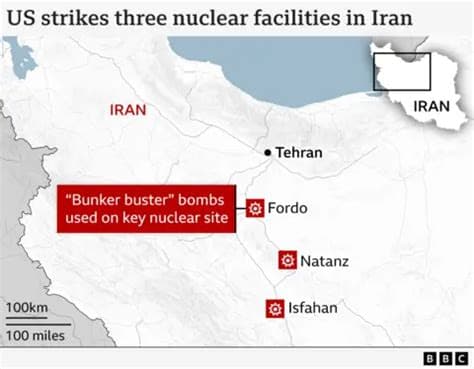
On April 29, 2026, during a hearing of the House Armed Services Committee, Jules Hurst, the acting Pentagon comptroller, disclosed that the ongoing conflict in Iran has already incurred costs of $25 billion. This figure represents the first official estimate from the Pentagon regarding the financial implications of military operations that commenced on February 28, 2026.
The bulk of the expenses reported thus far are linked to munitions, alongside operations and maintenance costs. Hurst's testimony arrives at a critical juncture, as rising costs and inflation have become significant concerns for American voters, particularly with midterm elections approaching. The financial burden of the war is comparable to NASA's entire budget for the current fiscal year, prompting discussions about the necessity for supplemental funding in the future.
During the hearing, Hurst confirmed to Rep. Adam Smith, the committee's leading Democrat, that the Pentagon is preparing a comprehensive assessment of the conflict's costs before seeking additional financial resources. This proactive approach aims to address the growing concerns regarding military expenditures and their implications for the federal budget.
The conflict has also had a notable impact on global oil prices, particularly due to disruptions in the Strait of Hormuz, a vital route for oil transportation. As a direct consequence of the military actions, the average gasoline price in the U.S. has surged to a nearly four-year high, further complicating the economic landscape for American consumers.
Defense Secretary Pete Hegseth defended the financial outlay, asserting that the costs are justified to prevent Iran from developing nuclear weapons. However, he faced criticism from Congressional Democrats who argue that characterizing the war as a quagmire undermines U.S. military efforts and strategy in the region.
As military operations continue, the potential for escalating action remains a pressing concern. The conflict has already resulted in casualties, with thirteen U.S. troops reported killed and hundreds more injured, intensifying scrutiny over the management and financial oversight of the war.
Looking ahead, the coming months are poised to be pivotal as Congress deliberates the future of U.S. military involvement in Iran. With the war costing billions and the political landscape shifting, the decisions made will have lasting implications for both national security and domestic economic conditions.
Published by Banx Network. This article is part of the Banx decentralized media programme, powered by the BXE token on the XRP Ledger.



