In the complex arena of international law, the relationship between national sovereignty and global justice is often fraught with tension. Recently, the United States imposed sanctions on officials of the International Criminal Court (ICC), including its president and prosecutor. This move marks a significant escalation in the longstanding dispute between Washington and The Hague, reflecting deep disagreements over jurisdiction, accountability, and the role of international institutions in addressing alleged crimes.
The sanctions target key figures within the ICC, restricting their ability to travel to the United States and freezing any assets they may hold within the U.S. financial system. The administration cited concerns over what it describes as the court’s overreach and illegitimate actions against American personnel and allies. For the U.S., this is a matter of protecting its citizens from what it views as politically motivated prosecutions, while for the ICC, it is an attack on its independence and mandate.
The International Criminal Court, established by the Rome Statute, aims to prosecute individuals for genocide, war crimes, and crimes against humanity. It operates on the principle that certain crimes are so grave that they concern the international community as a whole. However, the U.S. is not a party to the Rome Statute and has long resisted the court’s jurisdiction over its citizens, arguing that domestic legal systems are sufficient and that the ICC lacks legitimacy.
The imposition of sanctions has drawn sharp criticism from human rights organizations and allied nations. Critics argue that such measures undermine the rule of law and send a dangerous message that powerful states are above accountability. They warn that weakening the ICC could embolden perpetrators of atrocities worldwide, reducing the deterrent effect of international justice. For many, the court represents a vital mechanism for holding leaders accountable, regardless of their nationality.
Supporters of the sanctions, however, view them as a necessary defense of national interests. They argue that the ICC has been used as a political tool against the U.S. and its partners, particularly in the context of conflicts in the Middle East. By imposing consequences on ICC officials, the U.S. aims to deter further investigations and assert its sovereignty. This stance reflects a broader skepticism of multilateral institutions that do not align with American strategic goals.
The diplomatic fallout is significant. Allies who support the ICC have expressed disappointment, fearing that the sanctions could fracture international cooperation on justice issues. Some countries have called for dialogue to resolve the differences, emphasizing the importance of a unified approach to human rights violations. The divide highlights the challenges of maintaining global consensus in an increasingly multipolar world.
For the ICC officials involved, the sanctions are a personal and professional burden. They face restrictions on their movements and financial transactions, complicating their work. Yet, they remain committed to their mission, viewing the sanctions as an attempt to intimidate rather than a valid legal critique. Their resilience underscores the dedication of those who serve in international justice, even in the face of adversity.
As the situation evolves, the world watches to see how this conflict will be resolved. Will it lead to a deeper rift between the U.S. and the international community, or will it spark a renewed effort to reform and strengthen global justice mechanisms? The answer lies in the balance between sovereignty and accountability, a balance that remains elusive but essential for a just world order.
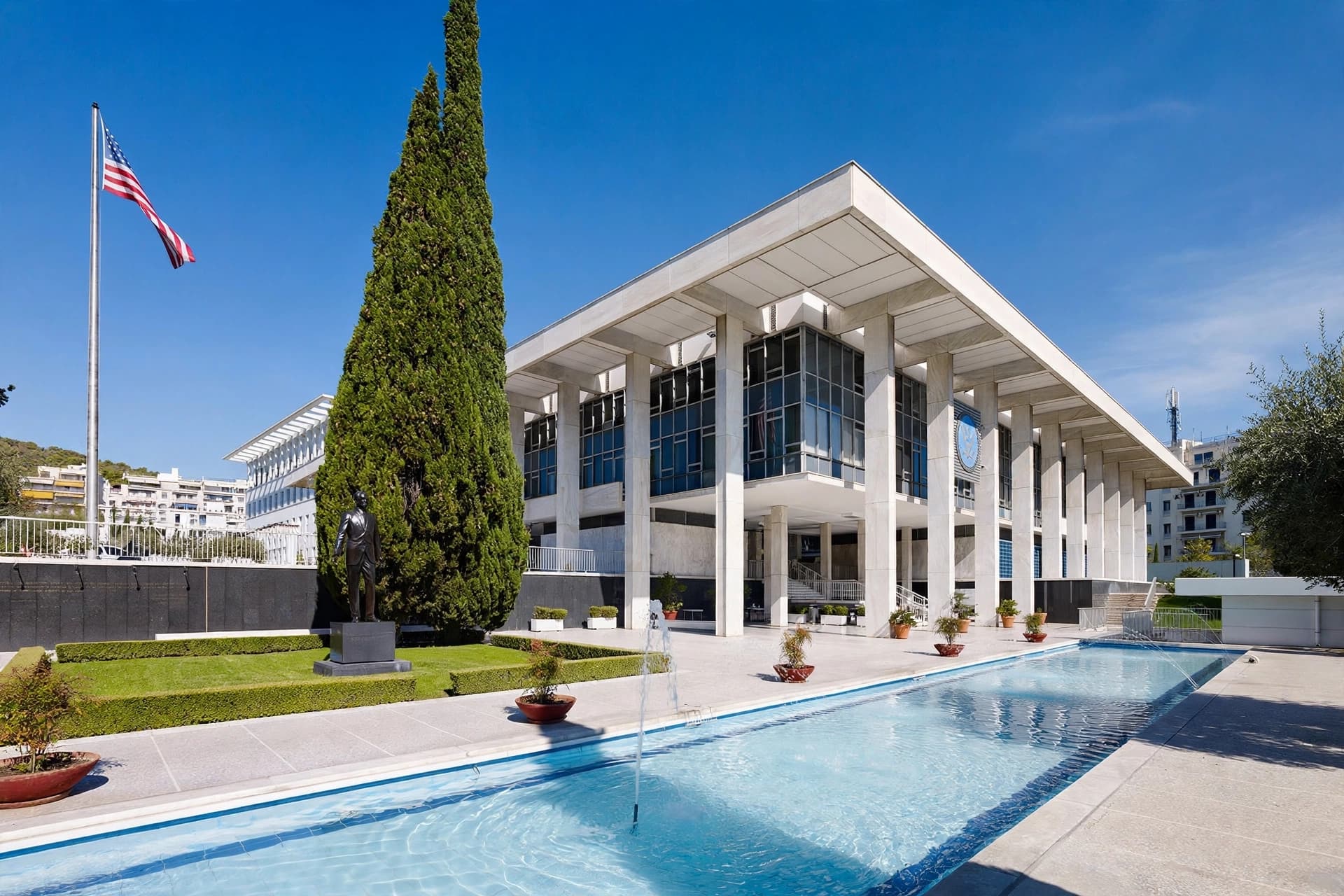
AI Image Disclaimer: Images accompanying this report are AI-generated artistic interpretations of legal symbols and international diplomacy, intended to visualize the themes of justice and sanctions without depicting real individuals.
Sources: White House, AP News, PBS NewsHour, The International Criminal Court
Published by Banx Network. This article is part of the Banx decentralized media programme, powered by the BXE token on the XRP Ledger.