
Key Highlights
- US-sanctioned supertankers have entered Gulf waters despite an active blockade.
- The blockade aims to restrict vessels associated with US sanctions, particularly targeting Iran.
- Experts warn of escalating tensions in the Gulf region affecting energy supplies and trade.
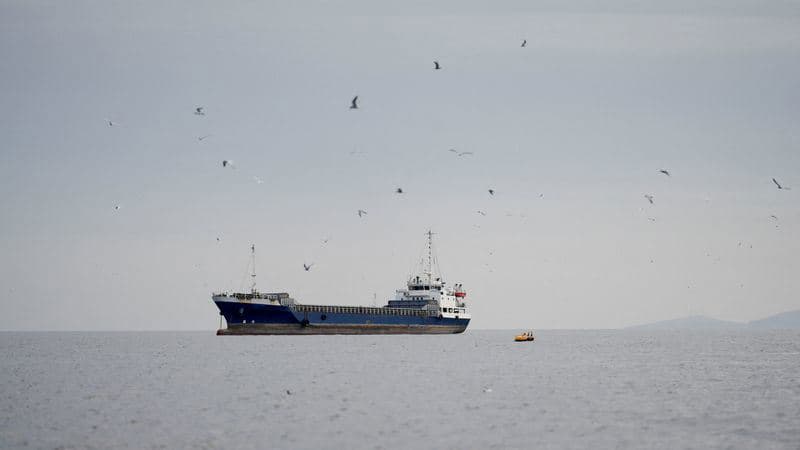
In a significant and unexpected turn of events, US-sanctioned supertankers have managed to enter Gulf waters even amidst an active blockade. This situation has sparked concerns regarding maritime security and the implications for international trade routes in the region. The blockade, reportedly imposed by various regional factions, aimed to restrict the movement of vessels associated with US sanctions, particularly those targeting nations such as Iran. Despite these restrictions, the arrival of the supertankers indicates a strategic shift or potentially increased efforts by the US to maintain its influence in the vital maritime corridor.
Experts suggest that this development may escalate tensions in the Gulf, where navigational freedom is critical for energy supplies and global trade. The presence of these supertankers could provoke confrontations if any of their movements are perceived as a challenge to the blockade. The potential for retaliation from factions involved in the blockade raises alarms about the stability of the region, which is already fraught with geopolitical tensions.
The US government has stated that it will continue to uphold its sanctions policy while ensuring the safe passage of vessels operating under its jurisdiction. This dual approach highlights the complexities of regional politics, maritime security, and the economic ramifications of ongoing sanctions. The US's commitment to maintaining its sanctions while navigating the delicate balance of maritime operations underscores the intricate nature of international relations in the Gulf.
As the maritime dynamics evolve, stakeholders will closely monitor the reactions from regional powers and the potential impact on energy markets. The establishment of diplomatic channels may become increasingly important to prevent miscalculations that could lead to wider conflicts in the Gulf region. Analysts emphasize the need for dialogue to mitigate risks and ensure that the flow of oil and gas remains uninterrupted, which is vital for both regional and global economies.
In conclusion, the entry of US-sanctioned supertankers into Gulf waters amidst an ongoing blockade not only raises questions about maritime security but also highlights the broader implications for international trade and geopolitical stability. As tensions simmer, the world watches closely to see how this situation unfolds and what it means for the future of energy supplies and regional peace.
Published by Banx Network. This article is part of the Banx decentralized media programme, powered by the BXE token on the XRP Ledger.



