

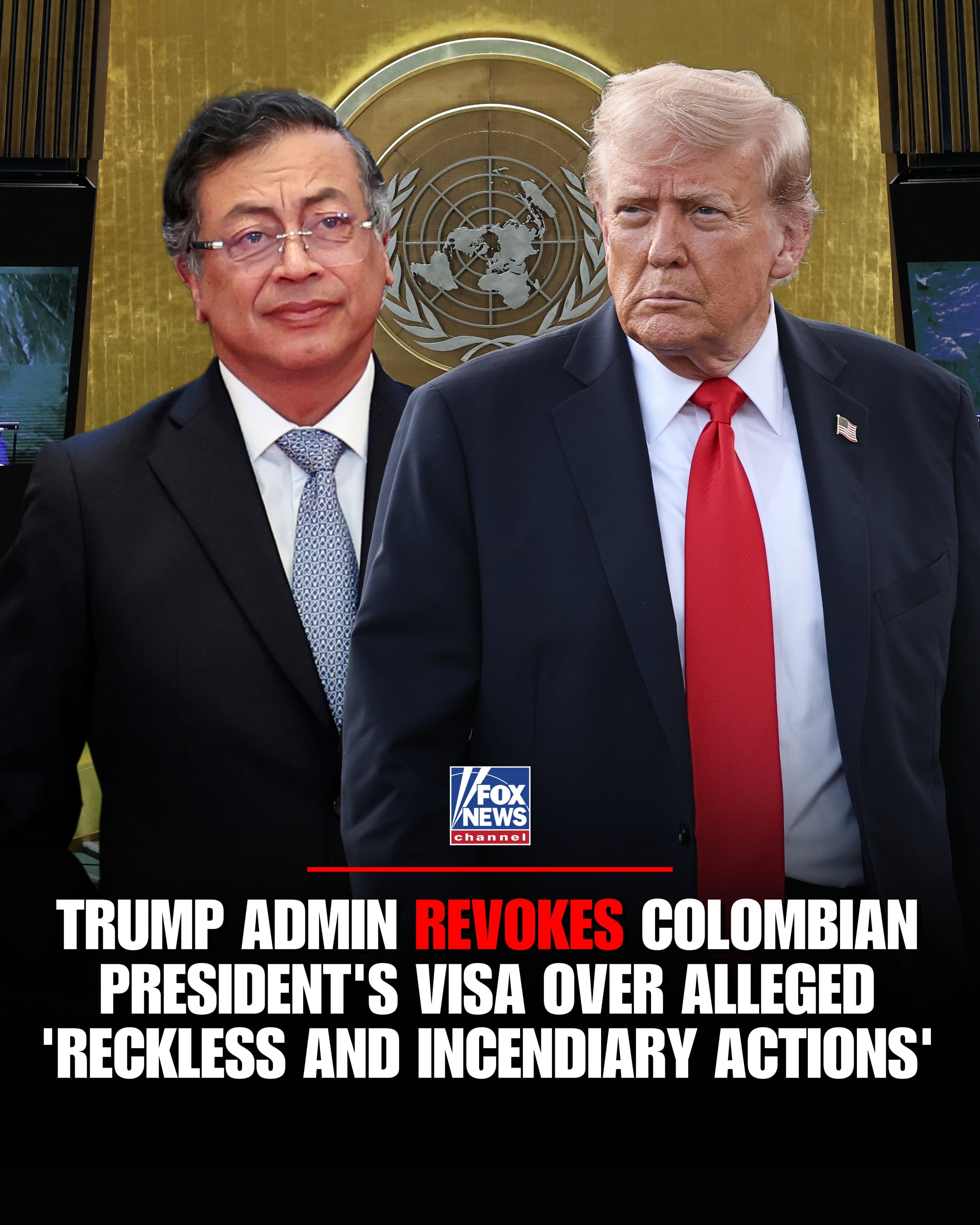
Key Highlights
- US revokes visa of Colombian President Gustavo Petro, signaling a diplomatic crisis.
- The decision reflects U.S. concerns over the president's actions deemed 'reckless'.
- This unprecedented move could severely impact U.S.-Colombia relations and regional stability.
In a stunning move that has sent shockwaves through international diplomacy, the United States has officially revoked the visa of Colombia's President Gustavo Petro. This drastic action, described by U.S. officials as a response to the leader's 'reckless and incendiary actions,' marks a significant escalation in tensions between the two nations.
While the specific incidents that triggered this severe penalty were not detailed in the announcement, the language used indicates a serious and potentially irreparable rupture in the bilateral relationship. The terms 'reckless' and 'incendiary' suggest that U.S. officials believe President Petro's conduct—whether through rhetoric or policy—has crossed a critical threshold, threatening regional stability and directly challenging American interests in Latin America.
The revocation of a head of state's visa is an exceptionally rare and powerful diplomatic tool, typically reserved for nations considered adversaries or rogue actors. For it to be deployed against the leader of a long-standing ally like Colombia is virtually unprecedented in modern Western Hemisphere relations. Historically, Colombia has been one of the United States' closest security partners in Latin America, with both nations collaborating extensively on issues ranging from counter-narcotics to trade.
This decision effectively bars President Petro from entering the United States, crippling high-level diplomatic engagement at the United Nations, the Organization of American States, and other multilateral forums held on U.S. soil. It serves not only as a personal sanction against the president but also as a very public and humiliating censure of his government, signaling a fundamental breakdown of trust and cooperation between the two nations.
The fallout from this decision is expected to be immediate and severe. Analysts predict a dramatic chilling effect on diplomatic, economic, and security ties. The move plunges the critical U.S.-Colombia alliance into its most profound crisis in generations, leaving allies and observers worldwide questioning what 'incendiary' actions could have provoked such a definitive and punishing response from Washington. The implications of this diplomatic crisis extend beyond the bilateral relationship, potentially affecting regional stability and U.S. influence in Latin America.
As the situation develops, it remains to be seen how both governments will navigate this unprecedented diplomatic landscape and whether there will be any efforts to mend the frayed ties between the U.S. and Colombia. The international community will be closely monitoring the repercussions of this significant diplomatic shift.
Published by Banx Network. This article is part of the Banx decentralized media programme, powered by the BXE token on the XRP Ledger.




