
Key Highlights
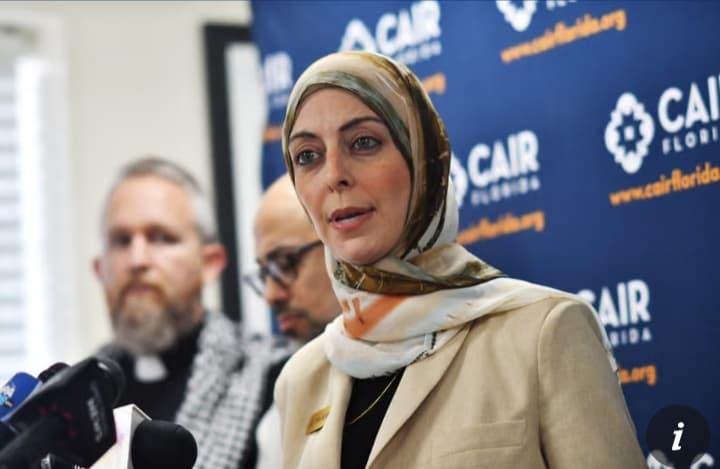
- CAIR Lawsuit:The Council on American-Islamic Relations has filed a lawsuit against Florida Governor Ron DeSantis.
- Allegations:The lawsuit claims that DeSantis's labeling of individuals as 'foreign terrorists' is misleading and damaging.
- First Amendment Rights:CAIR argues that these labels violate the First Amendment rights of affected individuals.
In a significant legal move, the Council on American-Islamic Relations (CAIR) has initiated a lawsuit against Florida Governor Ron DeSantis, alleging that his administration's designation of certain individuals and organizations as 'foreign terrorists' is both misleading and damaging. The civil rights group argues that this labeling contributes to an atmosphere of fear and discrimination against American Muslims.
The lawsuit, filed in a federal court, asserts that DeSantis's remarks and policies mischaracterize these groups and violate the First Amendment rights of those affected. CAIR contends that the labels can lead to unwarranted surveillance, social stigma, and even violence against innocent individuals who may be unfairly associated with terrorism because of their beliefs or affiliations.
'Using inflammatory language such as 'terrorist' without substantiated evidence creates a dangerous precedent,' stated CAIR's executive director. 'This lawsuit is aimed at holding the governor accountable and protecting the rights of all Americans.'
The controversy began when DeSantis publicly named several organizations during a press conference, urging officials to denounce their activities as harmful to national security. Critics, including civil rights advocates, argue that such statements promote Islamophobia and ignore the diverse perspectives within the Muslim community. This labeling has raised concerns about the potential for increased discrimination and violence against Muslims in Florida and beyond.
This legal action is part of a broader trend where civil society groups are increasingly challenging government policies that they believe infringe upon civil liberties. Legal experts suggest that the outcome of this lawsuit could have significant implications for freedom of speech, religious expression, and the treatment of minority communities in the United States. The case could set a precedent for how government officials communicate about national security and the implications of their language on marginalized communities.
As this lawsuit unfolds, it will likely draw attention to ongoing debates over national security, counterterrorism, and the rights of individuals in a diverse society. Advocates stress the importance of ensuring that policies aimed at protecting public safety do not unjustly target specific groups or religions. The implications of this case extend beyond Florida, as it may influence similar legal challenges across the country, highlighting the need for careful consideration of language used in public discourse.
Published by Banx Network. This article is part of the Banx decentralized media programme, powered by the BXE token on the XRP Ledger.



