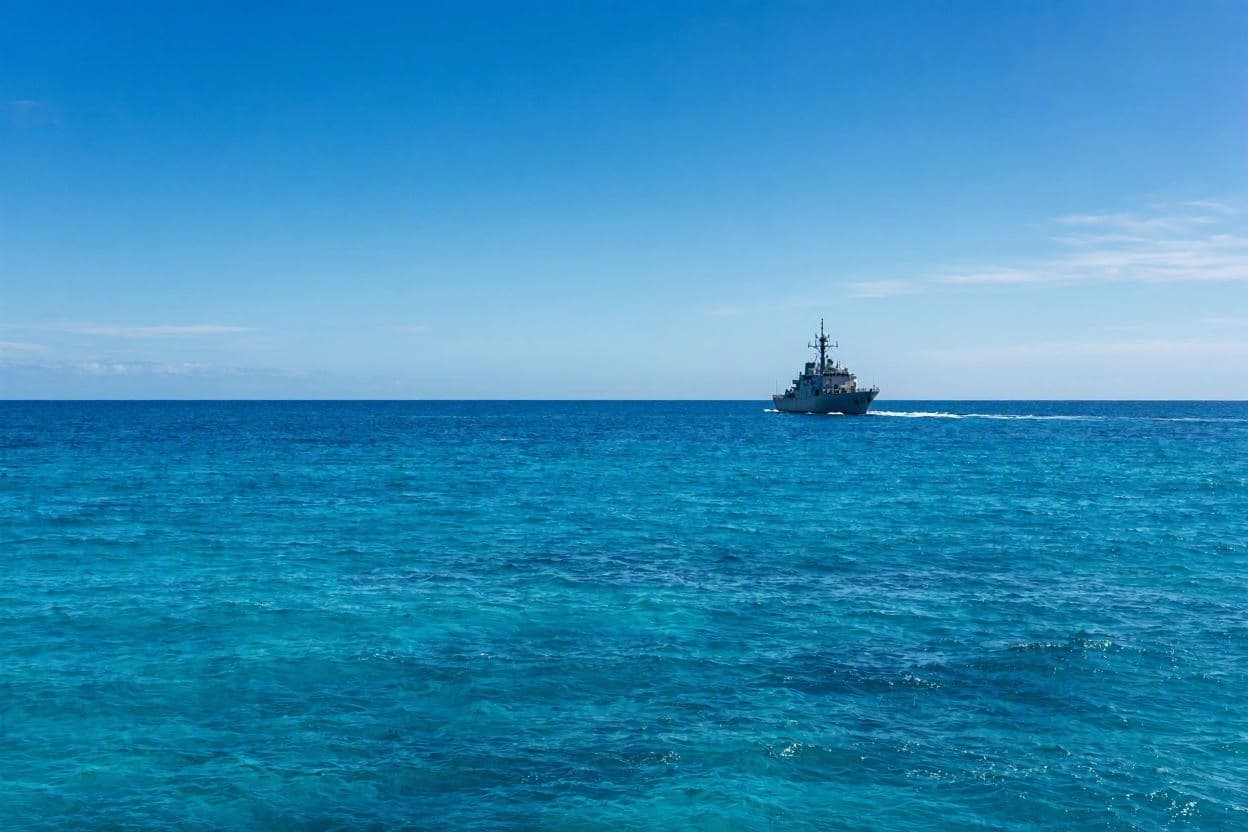
In the vast, turquoise expanse of the Caribbean Sea, where trade winds have long carried goods and people across borders, a new chapter of conflict has unfolded. The U.S. military recently conducted a strike on a vessel suspected of smuggling drugs, resulting in the deaths of four individuals. This incident is part of a broader, intensifying campaign known as Operation Southern Spear, which aims to disrupt narcotics trafficking routes that feed into North America. The action raises profound questions about sovereignty, the use of lethal force in law enforcement contexts, and the human cost of the war on drugs.
The strike occurred in international waters, a zone where jurisdictional lines are often blurred by the urgency of security operations. According to U.S. Southern Command, the boat was identified as a high-value target linked to transnational criminal organizations. Surveillance assets tracked the vessel before a precision strike was executed, eliminating the threat posed by its cargo and crew. Officials state that the operation was necessary to protect American communities from the flood of illicit substances, particularly fentanyl and cocaine, that continue to cause widespread harm.
For the families of those killed, the event is a tragedy that transcends political rhetoric. These individuals, whether willing participants or coerced laborers, lost their lives in an instant, far from home. The lack of due process in such extrajudicial actions is a point of contention for human rights advocates, who argue that even suspected criminals deserve legal protection. The debate centers on whether maritime interdiction should be treated as a policing matter or a military one, with significant implications for international law.
The Caribbean has become a focal point for this militarized approach to drug control. With traditional land routes heavily monitored, traffickers have shifted to maritime pathways, using fast boats and semi-submersibles to evade detection. The U.S. response has been to increase naval presence and authorize more aggressive tactics. This shift reflects a growing frustration with the persistence of the drug trade despite decades of enforcement efforts. It is a strategy born of desperation and determination.
Regional governments have expressed mixed reactions to the strikes. Some welcome the assistance in combating powerful cartels that undermine their own stability and security. Others worry about the precedent set by unilateral military action in their vicinity. The balance between cooperation and sovereignty is delicate, requiring diplomatic finesse alongside operational strength. Trust between nations is essential for long-term success, yet it is often strained by immediate security needs.
The human toll of the drug war extends beyond those directly involved in trafficking. Communities in source, transit, and destination countries all suffer from violence, corruption, and addiction. While strikes may disrupt supply chains temporarily, they do not address the root causes of demand and poverty that fuel the industry. Critics argue that a holistic approach, including prevention, treatment, and economic development, is needed to achieve lasting change. Military force alone is insufficient.
As the campaign continues, scrutiny of each incident will remain high. Transparency in reporting and accountability for mistakes are crucial for maintaining public trust and international legitimacy. The U.S. military maintains that its actions are precise and justified, but the moral weight of taking lives remains heavy. Each strike is a reminder of the complex ethical landscape of modern security operations.
In the end, the death of four individuals in the Caribbean is a stark symbol of the ongoing struggle against narcotics. It highlights the lengths to which nations will go to protect their citizens, as well as the collateral damage inherent in such efforts. As the waves settle, the conversation about justice, safety, and humanity continues. The hope is for a future where security is achieved without such profound loss.
AI Image Disclaimer: The visual representations included here are AI-generated illustrations designed to depict maritime scenes and themes of security, not actual photographs of the specific strike or the individuals involved.
Sources: ABC News Euronews The Guardian
Published by Banx Network. This article is part of the Banx decentralized media programme, powered by the BXE token on the XRP Ledger.