
Key Highlights
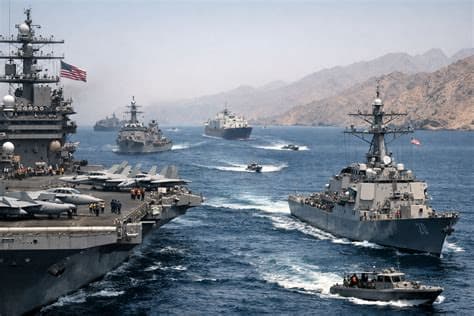
- US Military Action:The US has reimposed a blockade on Iranian ports.
- Recent Tensions:This decision follows alleged Iranian attacks on vessels in the Strait of Hormuz.
- Presidential Statement:President Trump has vowed to continue severe military actions until the situation improves.
The United States has officially reinstated its blockade of Iranian ports, a significant escalation in the ongoing tensions between the two nations. This decision comes after a brief period during which the blockade was lifted, allowing for some maritime activity. The US Central Command announced that the blockade would target vessels traveling to and from Iranian ports and coastal areas, aiming to curb Iran's influence in the region.
The backdrop to this military action includes a series of alleged attacks by Iran on commercial shipping in the strategically vital Strait of Hormuz. This waterway is crucial for global oil transportation, and any disruption can have far-reaching implications for international energy markets. The US has accused Iran of using proxy forces to threaten shipping lanes, prompting a robust military response.
In a statement, President Donald Trump emphasized the US's commitment to maintaining security in the region. He declared that the US would continue to conduct “very severe” military operations against Iranian targets until the situation is deemed satisfactory. This rhetoric signals a potential for increased military engagement, raising concerns among international observers about the risk of broader conflict.
The reimposition of the blockade is not just a tactical maneuver; it reflects a strategic shift in US policy towards Iran. The US has been increasingly vocal about its stance on Iranian activities, particularly in light of recent incidents that have heightened fears of a military confrontation. Analysts suggest that this blockade could lead to further escalation, as Iran may respond with its own military actions or retaliatory measures against US interests in the region.
The implications of this blockade extend beyond military strategy. Economically, Iran relies heavily on its oil exports, and any disruption to its shipping capabilities could exacerbate the already struggling Iranian economy. The US's actions may also influence global oil prices, as markets react to the potential for reduced supply from Iran.
As the situation develops, the international community is closely monitoring the US's military actions and Iran's potential responses. Diplomatic efforts may be necessary to de-escalate tensions and prevent a full-blown conflict in the region. The stakes are high, and the coming days will be critical in determining the future of US-Iran relations and regional stability.
Published by Banx Network. This article is part of the Banx decentralized media programme, powered by the BXE token on the XRP Ledger.



