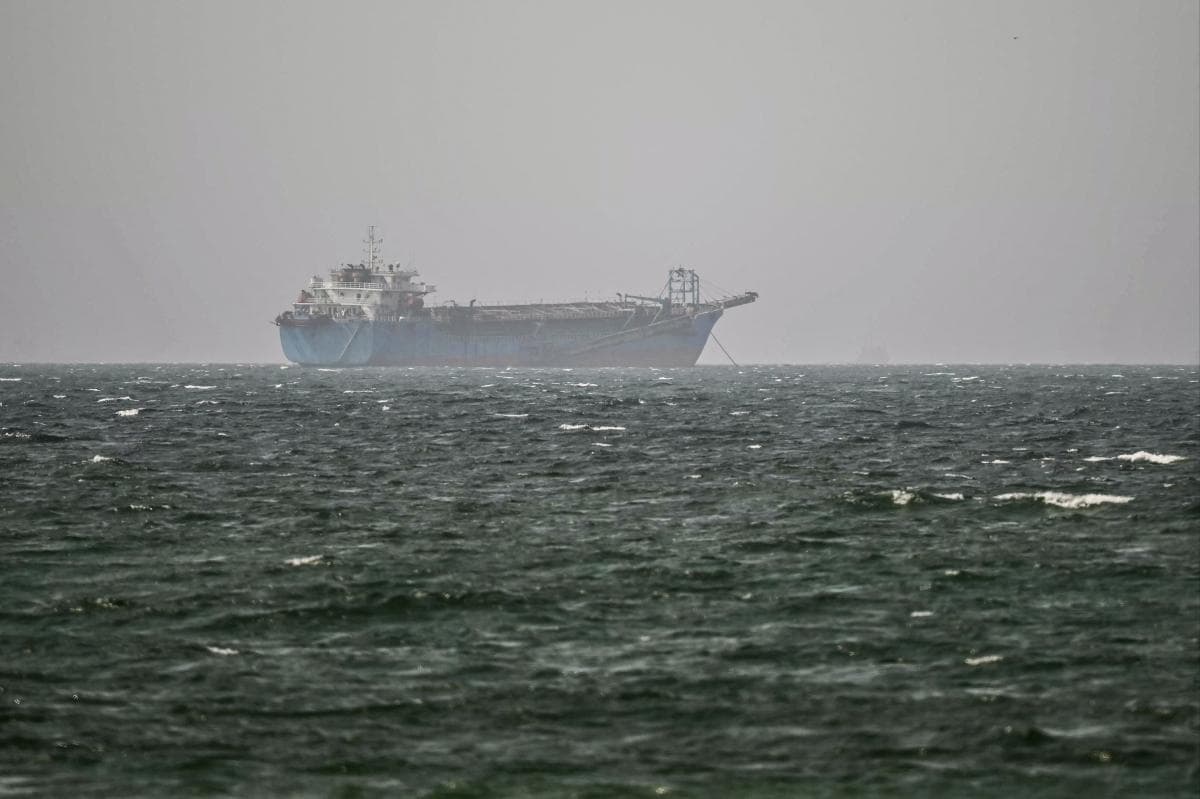
Reports indicate the United States and Iran may be approaching an agreement that could reopen the Strait of Hormuz, one of the world's most strategically important maritime shipping routes. US Treasury Secretary Scott Bessent suggested a deal could materialize "today or tomorrow," fueling optimism across global energy markets that tensions surrounding one of the world's busiest oil corridors may ease. The Strait of Hormuz connects the Persian Gulf to international waters and serves as the primary export route for oil and liquefied natural gas produced by several Middle Eastern nations. Roughly one-fifth of global oil consumption passes through the narrow waterway, making any disruption capable of influencing international energy prices almost immediately. Recent geopolitical tensions have raised concerns over shipping security in the region, increasing insurance costs and creating uncertainty for global commodity markets. A diplomatic breakthrough could reduce those risks by restoring confidence among shipping companies, energy traders, and importing nations that rely heavily on Gulf exports. Energy markets often react quickly to developments involving Hormuz because even the possibility of prolonged disruption can tighten supply expectations and increase price volatility. A successful agreement may reduce geopolitical risk premiums that have recently been built into oil prices, potentially easing inflationary pressures in countries dependent on imported energy. Financial markets beyond oil could also respond positively. Lower energy costs generally improve business operating conditions, reduce transportation expenses, and support broader economic growth. Equity markets, airlines, manufacturing companies, and logistics firms frequently benefit when fuel prices stabilize. However, analysts caution that negotiations involving regional security remain complex. Any agreement would still require implementation and continued diplomatic cooperation to produce lasting stability. Investors are therefore expected to monitor official announcements closely before fully pricing in reduced geopolitical risks. If successful, reopening secure commercial access through the Strait of Hormuz would represent not only a geopolitical achievement but also an important development for global trade, energy security, and financial market stability.
Published by Banx Network. This article is part of the Banx decentralized media programme, powered by the BXE token on the XRP Ledger.