
Key Highlights
- Date of Announcement:President Trump announced progress on May 24, 2026.
- Key Issues:Negotiations focus on nuclear enrichment and sanctions.
- Economic Impact:Ongoing conflict has global economic implications.
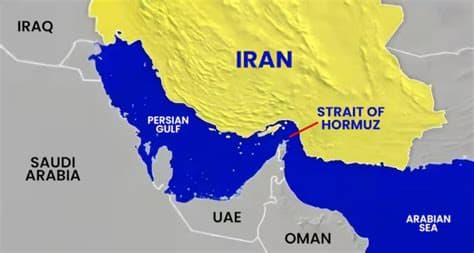
On May 24, 2026, President Donald Trump expressed optimism regarding ongoing negotiations with Iran, indicating that both sides are close to finalizing a deal aimed at ending the war in the Middle East and reopening the Strait of Hormuz. This strategic strait, essential for global oil shipping routes, has been at the center of escalating tensions amid the ongoing conflict.
The negotiations have focused on a one-page memorandum of understanding (MOU) that may include provisions such as a moratorium on Iran's nuclear enrichment, the lifting of U.S. sanctions, and mutual commitments around maritime security in the Strait of Hormuz. Trump noted that the success of these talks could signal a return to normalized shipping practices through this vital corridor, which has been significantly disrupted by recent military actions.
Iran's leadership reportedly faces internal divisions, complicating the path to consensus amid the talks. Nonetheless, both nations appear to share a strong incentive to reach an agreement, as the ongoing conflict has had far-reaching economic implications not only for the region but globally. The potential deal is seen as a critical step toward stabilizing the region and restoring confidence in international shipping routes.
Key terms discussed in the potential agreement include a commitment from Iran to never seek nuclear weapons, along with assurances that it would manage enriched uranium levels and allow for enhanced inspections by international bodies. In return, the U.S. is expected to gradually lift sanctions that have restricted Iran's economy and the release of billions in frozen Iranian assets. This reciprocal arrangement aims to foster a more stable geopolitical environment.
While Trump has cautioned that no deal is yet finalized, he has emphasized the possibility of renewed military action should negotiations collapse. The current ceasefire has held since early April, but concerns remain about its stability in the face of Iran's continued control over shipping routes in the Persian Gulf. The stakes are high, as any breakdown in talks could lead to a resurgence of hostilities.
As discussions proceed, Trump has made clear that a satisfactory agreement would eliminate threats to U.S. and allied interests while restoring essential oil supplies through one of the world's most important maritime highways. The situation remains dynamic, and any developments in the coming days will be keenly observed by both regional and global stakeholders, as the implications of this deal could reshape the geopolitical landscape in the Middle East.
Published by Banx Network. This article is part of the Banx decentralized media programme, powered by the BXE token on the XRP Ledger.



