
Key Highlights
- Limited Damage:U.S. intelligence reports minimal new damage to Iran's nuclear program.
- Ongoing Tensions:Diplomatic negotiations remain strained amid high tensions.
- Strategic Implications:The findings may influence military and economic strategies against Iran.
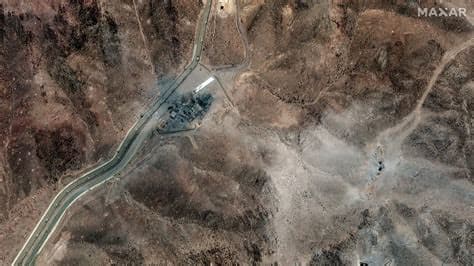
U.S. intelligence has recently revealed that efforts to sabotage Iran's nuclear program have resulted in limited new damage, raising concerns about the effectiveness of current strategies aimed at curtailing the country's nuclear ambitions. This assessment comes as tensions between Iran and Western nations remain high, and diplomatic negotiations continue to face hurdles.
Intelligence officials point out that while there have been instances of technical setbacks within Iran's program, such as delays or disruptions in uranium enrichment activities, the overall impact has not substantially hindered Iran's capabilities. This news underscores the resilience of Iran's nuclear initiatives despite ongoing international pressure and sanctions.
The United States and its allies have been actively monitoring Iran's nuclear developments, fearing that the nation might move closer to achieving a functional nuclear weapon. As a result, discussions surrounding potential military options and further economic sanctions are being reconsidered in light of the new intelligence findings. The limited damage reported suggests that Iran's nuclear program continues to advance, prompting a reevaluation of strategies to address this pressing issue.
Some analysts suggest that this situation calls for renewed diplomatic efforts to engage with Iran, as military actions may not yield the desired outcomes. The complexities of the geopolitical landscape, including the influence of hardline factions in both the U.S. and Iran, complicate the prospect of renewed talks. These factions may resist compromise, making it challenging to find common ground.
Internationally, the response to these findings could influence perceptions of Iran's intentions and capabilities, thereby affecting geopolitical dynamics in the Middle East. As world powers navigate this complex landscape, the priority remains on ensuring regional stability while addressing the ongoing challenges posed by Iran's nuclear aspirations. The limited damage reported serves as a reminder of the ongoing complexities inherent in managing this critical global issue.
As the situation develops, monitoring Iran's next steps will be crucial for understanding the broader implications for international security and the effectiveness of diplomatic strategies aimed at nuclear non-proliferation. The resilience of Iran's nuclear program highlights the need for a multifaceted approach that balances diplomatic engagement with strategic deterrence.
Published by Banx Network. This article is part of the Banx decentralized media programme, powered by the BXE token on the XRP Ledger.



