
Key Highlights
- U.S. intelligence assesses Mojtaba Khamenei's influence in Iran.
- Reports highlight his connections with key political and religious institutions.
- Discussions on succession within Iran intensify amid leadership transitions.
Recent assessments from U.S. intelligence agencies have brought renewed attention to the political role of Mojtaba Khamenei, the son of Iran's Supreme Leader. Despite not holding a formal executive position, Mojtaba Khamenei is recognized for his significant influence within Iran's political and security frameworks. Reports indicate that he maintains strong ties with religious institutions and senior clerical networks, as well as connections to the Islamic Revolutionary Guard Corps (IRGC).
The U.S. intelligence community's evaluations of Iranian politics are crucial, as they inform diplomatic strategies and security planning in Washington. Analysts have noted that Mojtaba Khamenei's name frequently arises in discussions about succession and the internal dynamics of Iran's leadership. His access to influential circles suggests that he plays a pivotal role in shaping decisions, even without a high-profile public office.
The complexity of Iran's governing system, which intertwines elected institutions with powerful religious and military bodies, allows for informal influence to be significant. In such a landscape, individuals like Mojtaba Khamenei can wield considerable power through established networks, impacting political outcomes from behind the scenes.
In recent years, discussions about succession within Iran have gained momentum, particularly as the health and age of senior leaders come into focus. This context has heightened international interest in Mojtaba Khamenei's position, as observers speculate on the future of Iran's leadership and the potential shifts in power dynamics.
Iranian officials typically refrain from commenting on foreign intelligence assessments, especially those from the U.S. State-affiliated media often dismiss such reports as politically motivated, reflecting the ongoing tensions between Tehran and Washington. However, analysts emphasize that influence in Iran is rarely concentrated in one individual. Instead, it is distributed among various religious institutions, military factions, and political groups, creating a complex balance of authority.
The latest intelligence assessment serves as a reminder of the intricate political landscape in Iran, which continues to attract scrutiny from international observers. As regional tensions persist and leadership questions loom, the role of figures like Mojtaba Khamenei remains a focal point for understanding Iran's future trajectory.
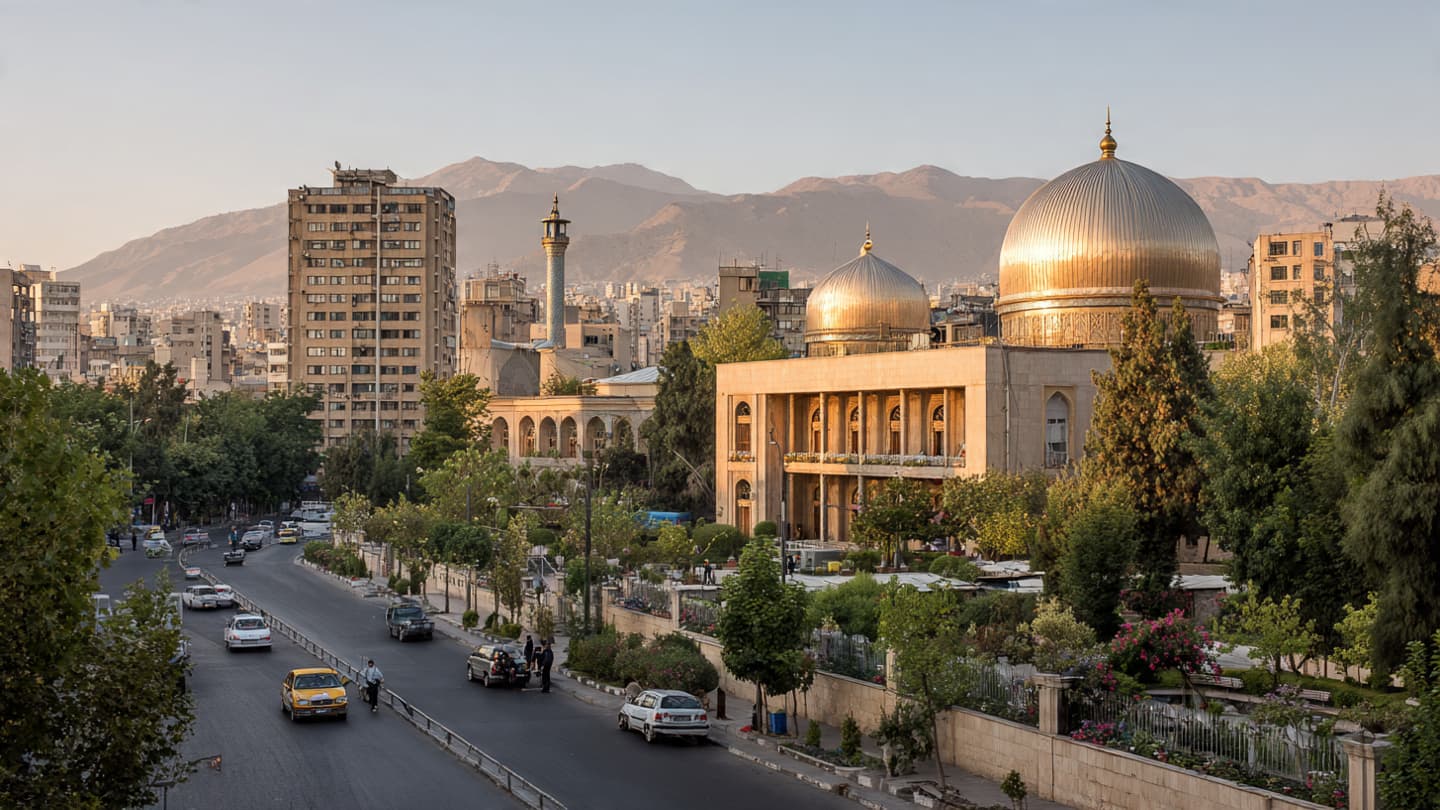
Several accompanying images in this report were generated using AI-assisted visual technology.
Published by Banx Network. This article is part of the Banx decentralized media programme, powered by the BXE token on the XRP Ledger.



