
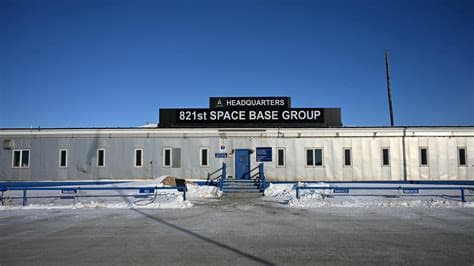
Key Highlights
- U.S. military discussions: The U.S. government is in secret talks to potentially establish new military bases in Greenland.
- Arctic strategy:This initiative aims to bolster U.S. presence in the Arctic amid rising tensions with Russia and China.
- Economic development:Greenland seeks to balance economic growth with environmental sustainability in partnership with the U.S.
The U.S. government is currently engaged in closely-guarded discussions regarding the potential establishment of new military bases in Greenland. This initiative is part of a broader strategy to enhance the United States' presence in the Arctic region, which has become increasingly significant due to rising geopolitical tensions. As both Russia and China expand their military and economic activities in Arctic territories, the U.S. is looking to secure its interests and maintain a strategic foothold.
Establishing military bases in Greenland is seen as a crucial step in enhancing U.S. defense capabilities. Officials believe that these bases would not only serve as a deterrent against potential threats but also play a vital role in monitoring and managing the region's abundant natural resources. The Arctic is rich in oil and mineral deposits, and as climate change continues to alter the landscape, access to these resources is becoming more critical for nations seeking to secure energy supplies.
Discussions have reportedly included high-level exchanges with the Greenlandic government, focusing on ensuring mutual benefits and addressing concerns related to environmental sustainability and the needs of local residents. Greenland has expressed a desire to foster economic development while navigating the complexities of a partnership with a superpower like the United States. This partnership could provide significant economic opportunities for Greenland, but it also raises questions about the implications of increased military presence on the island.
The potential establishment of new military bases in Greenland carries significant implications for Arctic geopolitics. It could shift the balance of power in the region and further entrench the U.S. stance against perceived threats from rival nations. However, critics of the initiative warn that such military expansion could escalate tensions in an already volatile region, provoking adverse reactions from Russia and China, who may view this as a direct challenge to their interests.
As negotiations progress, the U.S. faces the challenge of balancing its national security interests with the need to maintain diplomatic relations and ensure the well-being of Greenlandic communities. The outcome of these discussions could have lasting effects on Arctic geopolitics and international relations, shaping the future of U.S.-Greenland relations and the broader dynamics of power in the Arctic.
Published by Banx Network. This article is part of the Banx decentralized media programme, powered by the BXE token on the XRP Ledger.



