
Key Highlights
- Event:U.S. State Department presentation at AIDS 2026 conference.
- Incident:Map of Africa mislabels every country, causing outrage.
- Response:State Department takes responsibility for the error.
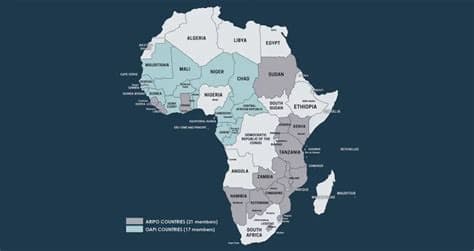
The recent AIDS 2026 conference in Rio de Janeiro was marred by a significant blunder from the U.S. State Department, which presented a map of Africa that misidentified every country. The presentation, intended to showcase U.S. efforts in combating the AIDS epidemic, instead drew widespread criticism and ridicule on social media platforms. Screenshots of the erroneous map quickly circulated, highlighting glaring inaccuracies such as Nigeria depicted as a landlocked nation in the Sahara Desert and Mozambique incorrectly placed in the Horn of Africa.
The fallout from this incident has been swift, with many commentators and social media users expressing disbelief at the level of oversight involved in the preparation of such a crucial presentation. The map's inaccuracies not only reflect poorly on the State Department but also raise questions about the processes in place for verifying information before it is presented at international conferences. The use of artificial intelligence tools, as indicated by a watermark on the map, has further fueled discussions about the reliability of AI-generated content in critical contexts.
In response to the backlash, the State Department issued a statement taking "full responsibility" for the error. They attributed the mishap to a team member who reportedly made hasty alterations to the slide deck just before the event. This admission has not quelled the criticism, as many are calling for a thorough review of the department's protocols for preparing materials for public presentation, especially in matters as sensitive as global health.
The incident serves as a reminder of the importance of accuracy in governmental communications, particularly when addressing issues that affect millions of lives worldwide. The mislabeling of African countries not only undermines the credibility of the U.S. government but also perpetuates harmful stereotypes and misconceptions about the continent.
As the State Department navigates the fallout from this incident, it remains to be seen what measures will be implemented to prevent similar errors in the future. The reliance on technology, while beneficial in many respects, must be balanced with rigorous fact-checking and human oversight to ensure that such critical information is conveyed accurately.
This incident highlights the broader implications of geographical misrepresentation and the need for greater awareness and education regarding African nations and their unique contexts. As discussions around global health continue, it is essential that all stakeholders approach these topics with the respect and accuracy they deserve.
Published by Banx Network. This article is part of the Banx decentralized media programme, powered by the BXE token on the XRP Ledger.



