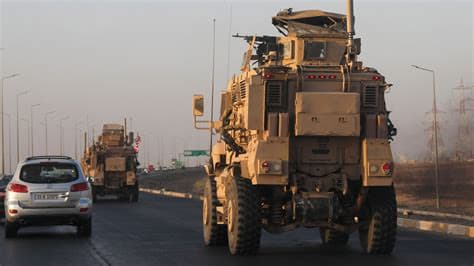
According to multiple sources, the United States is preparing to deploy thousands more troops to the Middle East as part of a strategic effort to enhance stability in a region marked by growing unrest and geopolitical challenges. This increase in military presence underscores the U.S. commitment to its allies and to maintaining security in the face of escalating threats.
The potential deployment, still in planning stages, comes amid heightened tensions involving various state and non-state actors in the area, including increased hostilities in conflict zones and concerns over regional adversaries. U.S. military officials indicate that the additional forces will primarily focus on supporting operations aimed at counterterrorism, deterrence, and safeguarding international interests.
Sources have noted that the deployment is expected to include logistical support units, special operations forces, and conventional troops equipped for a range of operational missions. The rationale behind sending additional soldiers is to reassure allies and strengthen deterrence against any aggressive actions from adversaries.
Moreover, with ongoing conflicts in countries like Syria and Yemen and increasing instability in Iraq, the U.S. sees the necessity of maintaining a robust military presence. The Biden administration has stressed that this is not an open-ended commitment but rather a tactical maneuver to ensure the safety of U.S. personnel and regional partners.
Congressional leaders are being briefed on the deployment plans, and ongoing discussions are anticipated regarding funding and the longer-term implications of increased military involvement in the region. The U.S. aims to balance its strategic interests while avoiding prolonged conflicts that could drain resources.
As the situation develops, the additional troops could play a crucial role in shaping the security landscape in the Middle East, emphasizing the U.S.'s resolve to support stability and deter threats to both American and allied interests in the region.
Published by Banx Network. This article is part of the Banx decentralized media programme, powered by the BXE token on the XRP Ledger.