
Key Highlights
- U.S. air strikes expanded into northern Iran, targeting strategic locations.
- The operation included actions against Greater Tunb Island in the Strait of Hormuz.
- A ship attempting to breach the naval blockade was disabled after warnings were ignored.
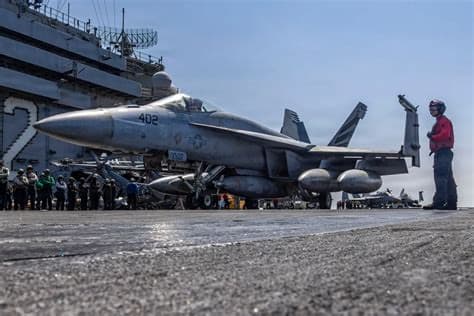
The United States has escalated its military operations in the Middle East, expanding air strikes into northern Iran as part of a broader strategy to enforce pressure around the critical Strait of Hormuz. According to U.S. Central Command (CENTCOM), the latest wave of strikes was completed on Wednesday night, following earlier operations aimed at strategic locations in the region.
Among the targets was Greater Tunb Island, a significant point in the Strait of Hormuz, which is vital for maritime navigation and oil transport. The U.S. military's actions are part of ongoing efforts to deter Iranian aggression and ensure the safety of international shipping lanes. The escalation comes amid heightened tensions in the region, with Iran's military activities increasingly drawing the attention of U.S. forces.
In addition to the air strikes, the U.S. military reported firing on a vessel that was allegedly attempting to violate the naval blockade imposed in the area. After multiple warnings were ignored, the ship was disabled, further intensifying the conflict between the U.S. and Iran. This incident underscores the fragile security situation in the region, where maritime operations are often complicated by geopolitical tensions.
In response to the U.S. actions, Iran has reportedly launched missile and drone attacks targeting U.S. allies in the region, including Bahrain and Kuwait. These retaliatory strikes highlight Iran's commitment to defending its interests and responding to perceived threats from U.S. military operations. The situation remains fluid, with both sides on high alert as tensions continue to escalate.
The U.S. has emphasized that its military presence in the region is aimed at maintaining stability and ensuring freedom of navigation in the Strait of Hormuz, through which a significant portion of the world's oil supply passes. As the situation develops, the international community is closely monitoring the actions of both the U.S. and Iran, with concerns about potential wider conflict.
As military operations continue, the implications for regional security and global oil markets are significant. Analysts suggest that the ongoing conflict could lead to increased volatility in oil prices and further complicate diplomatic efforts to resolve tensions between the U.S. and Iran.
Published by Banx Network. This article is part of the Banx decentralized media programme, powered by the BXE token on the XRP Ledger.



