
Key Highlights
- US military delays:The United States has postponed weapons deliveries to certain European countries amid escalating tensions related to the Iran conflict.
- Impact on NATO:This decision raises concerns among NATO allies regarding their defense capabilities and preparedness.
- Strategic reassessment:Analysts suggest the delays reflect a tactical reassessment of US military priorities in response to the evolving situation in Iran.
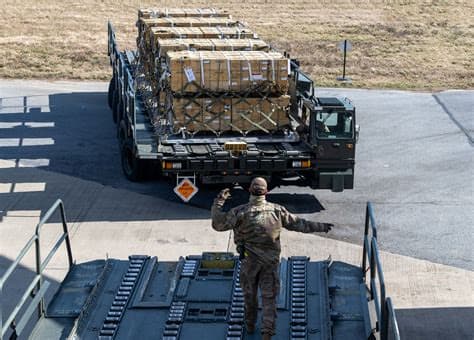
In light of the escalating tensions related to the Iran war, the United States has decided to delay the delivery of weapons to certain European countries. According to multiple sources, this shift in strategy reflects a reassessment of priorities and commitments, aimed at ensuring that US military resources are allocated judiciously during this critical period.
This decision may have significant implications for NATO allies who rely on US support to bolster their defense capabilities. The postponements are expected to affect a range of defense contracts, leaving some nations concerned about their preparedness and deterrence capabilities amidst the ongoing conflict. Countries such as Germany and Poland, which have been anticipating new military equipment, are particularly anxious about the potential impact on their defense readiness.
Analysts indicate that this delay could be a tactical measure by the US, aimed at reassessing military strategies in light of the Iran situation, which continues to evolve rapidly. European nations have expressed urgent concerns over their security, urging sustained cooperation and timely deliveries to maintain their defense posture. The situation is further complicated by the need for NATO to present a united front against potential threats, making these delays particularly concerning for member states.
Affected countries are being encouraged to engage in dialogue with US officials to clarify expectations and timelines. As the situation develops, the impact of these delivery delays will be closely monitored by both military analysts and European governments. The US has emphasized its commitment to NATO, but the current delays may test the resolve of its allies and their trust in American support.
The unfolding scenario highlights the intricate balance of geopolitical dynamics, where alliances are tested during times of heightened conflict. In light of these challenges, the US and its European partners must navigate a complex landscape to ensure mutual security interests are upheld. The delays in weapons deliveries could serve as a catalyst for European nations to reassess their own defense strategies and capabilities, potentially leading to a shift in the balance of power within the region.
As the situation continues to evolve, the focus will remain on how the US and its allies respond to these challenges and what implications this may have for global security moving forward.
Published by Banx Network. This article is part of the Banx decentralized media programme, powered by the BXE token on the XRP Ledger.



