
Key Highlights
- U.S. military strikes Iranian targets in response to cargo ship attack.
- Strikes targeted missile and drone facilities, according to CENTCOM.
- Iran warns of broader retaliation if U.S. aggression continues.
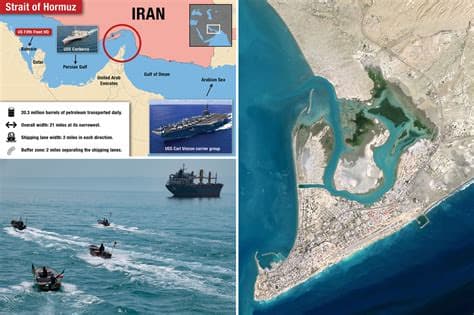
The U.S. military has conducted targeted strikes on Iranian facilities following an attack on a cargo ship in the strategically vital Strait of Hormuz. This military action, confirmed by U.S. Central Command (CENTCOM), aimed at missile and drone storage sites as well as coastal radar installations. The strikes were a direct response to a drone attack on Thursday that disrupted a planned evacuation of sailors from the affected vessel.
President Donald Trump condemned the attack, labeling it a “foolish violation” of the existing truce between the two nations. The U.S. has been engaged in ongoing tensions with Iran, particularly concerning maritime security in the Gulf region, which is crucial for global oil transportation.
In a statement, Tehran asserted that the cargo ship was targeted due to its use of an unauthorized route through the Gulf waterway. Following the U.S. strikes, Iranian officials accused the United States of breaching their interim understanding, which was intended to reduce hostilities and ensure safe passage for commercial vessels in the Strait of Hormuz.
The Islamic Revolutionary Guard Corps (IRGC) of Iran claimed responsibility for retaliatory strikes against U.S. military positions in the region. They issued a warning that if U.S. aggression persisted, their response would escalate significantly, indicating a potential for further military confrontation.
These developments come at a time when both nations were attempting to navigate a fragile ceasefire agreement aimed at stabilizing the region. The interim memorandum was designed to facilitate safe maritime operations while reducing the risk of direct conflict. However, the recent events have raised concerns about the sustainability of this agreement and the potential for renewed hostilities.
As the situation unfolds, the international community is closely monitoring the developments, with calls for de-escalation and dialogue to prevent further military actions that could destabilize the already volatile region. The Strait of Hormuz remains a critical chokepoint for global oil supplies, and any escalation in military actions could have far-reaching implications for international trade and security.
Published by Banx Network. This article is part of the Banx decentralized media programme, powered by the BXE token on the XRP Ledger.



