
Key Highlights
- Date of Capture:January 3, 2026, marked by a U.S. military operation.
- Operation Details:Involved air strikes and ground support targeting Maduro's regime.
- Global Reactions:Mixed responses from supporters and critics of U.S. intervention.
In a shocking announcement, President Donald Trump declared that the United States has captured Venezuelan President Nicolás Maduro following a decisive military operation on January 3, 2026. This revelation comes amid escalating tensions between the U.S. and Venezuela, where Maduro's regime has faced widespread condemnation for human rights violations and economic mismanagement.
During a press conference, Trump stated that the operation was executed by U.S. special forces and intelligence agencies, aimed at dismantling Maduro's stronghold and restoring democratic governance in Venezuela. "This strike marks a turning point in our commitment to support freedom and democracy throughout the region," Trump asserted, emphasizing the U.S. stance against authoritarianism.
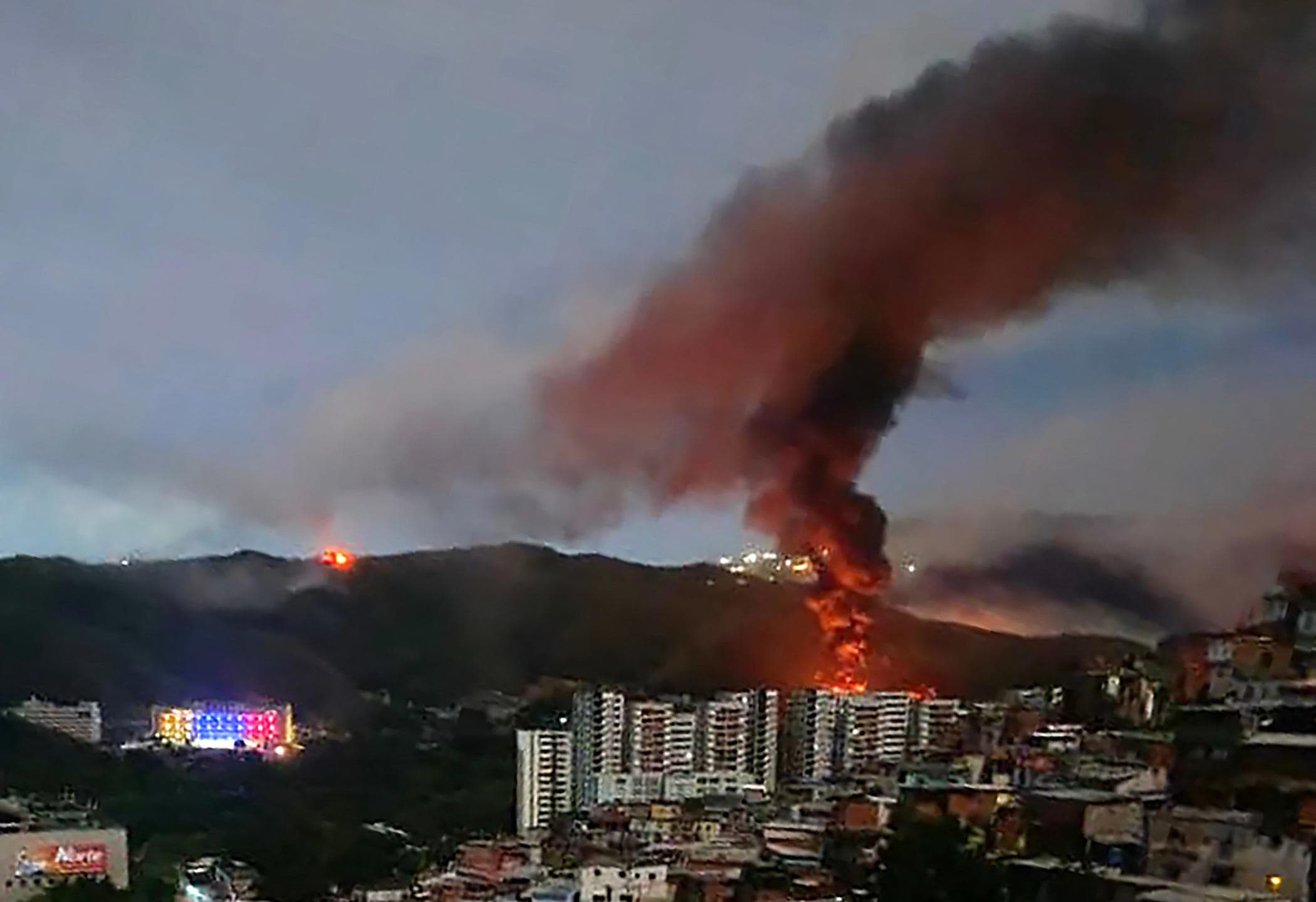
The military operation reportedly involved coordinated air strikes and ground support targeting key locations associated with Maduro's government. While specific details remain limited, officials have indicated that the mission was carried out with minimal collateral damage, prioritizing civilian safety. This aspect of the operation has been highlighted as a critical factor in its execution, reflecting a strategic approach to military intervention.
Reactions to Trump's announcement have been mixed. Supporters of the operation have praised it as a necessary measure to combat authoritarianism in Venezuela, viewing it as a step towards restoring democracy. Conversely, critics have raised concerns about the implications of U.S. military intervention, fearing it could escalate conflict in an already fragile region. The potential for increased violence and instability in Venezuela is a significant concern among international observers.
As of now, Venezuelan officials have not issued an official response to the claims made by Trump. However, the international community is closely monitoring the situation, recognizing that the capture of Maduro could dramatically reshape the political landscape in Venezuela. Questions surrounding the future governance of the country and the role of international powers in its recovery are at the forefront of discussions.
As the situation continues to evolve, the global community remains vigilant, contemplating the far-reaching consequences of this unprecedented military action. The implications for U.S.-Venezuela relations and the broader geopolitical landscape in Latin America are yet to be fully understood, but the capture of Maduro marks a significant moment in the ongoing struggle for democracy in the region.
Published by Banx Network. This article is part of the Banx decentralized media programme, powered by the BXE token on the XRP Ledger.



