Key Highlights
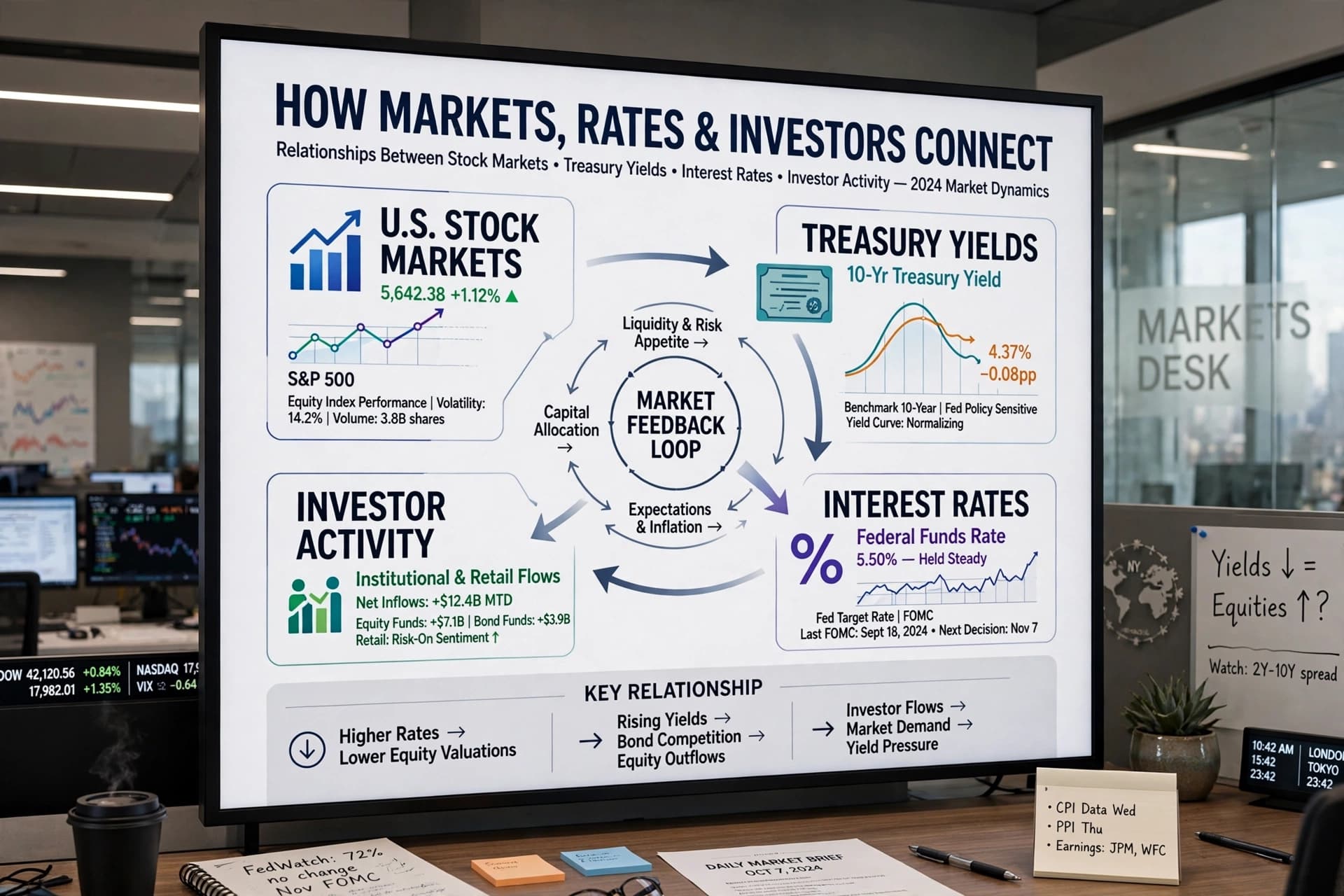
- US borrowing costs have reached a 19-year high.
- The Federal Reserve has decided to maintain current interest rates.
- Higher borrowing costs are impacting consumer credit and corporate financing.
US borrowing costs have surged to a 19-year high as the Federal Reserve opted to hold interest rates steady during its latest meeting. This decision has significant implications for both households and businesses, as higher borrowing expenses typically translate into increased costs for consumer credit, corporate financing, and refinancing. The ripple effects of these elevated borrowing costs are already being felt across various sectors of the economy.
The Federal Reserve's decision to maintain interest rates comes amid ongoing concerns about inflation and its potential impact on the economy. As inflation shows signs of cooling, market analysts are closely monitoring economic indicators to determine whether the Fed will eventually lower rates. The current environment of “higher for longer” interest rates is expected to keep pressure on funding, making it more challenging for consumers and businesses to access affordable credit.
In practical terms, the rise in borrowing costs means that individuals seeking loans for homes, cars, or education may face higher interest rates on new loans and credit cards. Similarly, businesses looking to finance operations or expand may encounter increased costs associated with borrowing. This tightening of financial conditions could lead to a slowdown in consumer spending and business investment, potentially impacting overall economic growth.
The Federal Reserve's stance reflects a cautious approach to monetary policy, balancing the need to control inflation with the desire to support economic growth. As the central bank navigates these challenges, it remains to be seen how long the current interest rate levels will persist and what further actions may be taken in response to evolving economic conditions.
Market participants are keenly aware of the implications of the Fed's decisions, as they can significantly influence investment strategies and consumer behavior. The ongoing dialogue about interest rates and inflation will likely continue to dominate financial news in the coming months, as stakeholders seek clarity on the Fed's future direction.
In summary, the Federal Reserve's decision to hold interest rates steady has led to a notable increase in US borrowing costs, marking a significant moment in the economic landscape. As consumers and businesses adjust to these changes, the broader implications for the economy will unfold in the months ahead.
Published by Banx Network. This article is part of the Banx decentralized media programme, powered by the BXE token on the XRP Ledger.