
Key Highlights
- New Restrictions:The US has imposed a ban on exporting lithium-ion battery scrap.
- Domestic Focus:The measure aims to enhance domestic recycling efforts.
- Supply Chain Protection:The ban is part of a broader strategy to secure critical supply chains.
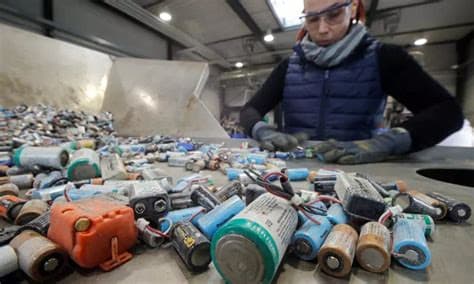
The United States has recently announced significant restrictions on the export of lithium-ion battery scrap, a move designed to bolster domestic recycling initiatives and protect critical supply chains. This decision follows a presidential directive that empowers the Department of Commerce to limit exports of recoverable critical minerals and materials, which include those reclaimed from industrial waste and end-of-life products.
Under the new regulations, suppliers of battery-related waste, particularly materials referred to as “black mass,” will be required to sell their products within the United States. This shift is aimed at ensuring that valuable materials are available for domestic recycling processes, thereby reducing reliance on foreign sources and enhancing the sustainability of the US battery supply chain.
The restrictions are expected to have a significant impact on the recycling industry, which has been grappling with the challenges of managing battery waste effectively. By keeping these materials within the country, the US government hopes to stimulate local recycling operations and create a more circular economy for battery materials. This is particularly crucial as the demand for lithium-ion batteries continues to rise, driven by the growing electric vehicle market and renewable energy storage solutions.
While the new rules are seen as a positive step towards sustainability, there may be exemptions for certain suppliers, allowing them to export under specific conditions. This aspect of the regulation is still being clarified by the Department of Commerce, and stakeholders in the recycling and battery manufacturing sectors are closely monitoring the developments.
The decision to restrict exports aligns with broader governmental efforts to secure critical supply chains, especially in light of recent global supply chain disruptions. By prioritizing domestic recycling, the US aims to not only enhance its energy independence but also to mitigate environmental impacts associated with battery waste.
As the implementation of these restrictions unfolds, industry experts are weighing the potential benefits against the challenges that may arise, including the need for increased domestic processing capacity and the implications for international trade relationships. The success of this initiative will largely depend on how effectively the US can ramp up its recycling capabilities and manage the transition to a more self-sufficient battery supply chain.
Published by Banx Network. This article is part of the Banx decentralized media programme, powered by the BXE token on the XRP Ledger.



