

Key Highlights
- U.S. and Iranian negotiators are set to travel to Doha this week, but the likelihood of a meeting remains uncertain.
- Iran's foreign ministry denies any scheduled talks with the U.S., despite Washington's high-level representation.
- The fragile ceasefire agreement from June 17 is under strain, with accusations of violations from both sides.
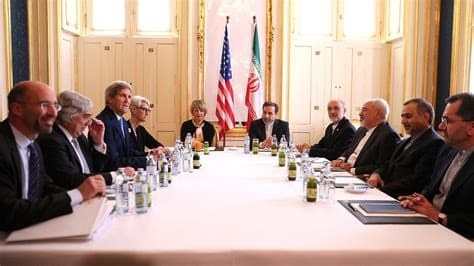
U.S. and Iranian negotiating teams are scheduled to head to Doha this week, but uncertainty looms over whether the two sides will actually meet. Iran's foreign ministry spokesperson, Esmaeil Baghaei, stated that there are no talks planned with the United States in the coming days. This statement comes even as Washington indicated that high-level U.S. representatives would be traveling to Qatar, raising questions about the nature of their visit.
Baghaei emphasized that the Iranian technical delegation traveling to Doha has “no relation” to the Americans’ visit, asserting that there would be no negotiations with the U.S. at any level during this period. This disagreement highlights the fragility of a ceasefire agreement reached on June 17, which paused a four-month conflict between the two nations. The memorandum established a 60-day timeline to implement a ceasefire and pursue discussions aimed at extending the pause into a permanent truce, addressing critical issues such as Iran’s nuclear energy and research programs, as well as its stockpile of highly enriched uranium.
Despite the ceasefire agreement, progress has been inconsistent. Both sides have accused each other of violating various aspects of the accord. Recent fighting over the weekend saw missile exchanges from both parties, and maritime traffic through the Strait of Hormuz—a vital route for global oil and LNG trade—has faced significant disruptions amid the ongoing conflict.
Some Iranian officials have suggested that the discussions in Doha may focus less on broad negotiations and more on managing the Strait of Hormuz and reducing tensions in the region. Separate technical interactions are anticipated, which may involve discussions with Qatari and Pakistani mediators, indicating a multi-faceted approach to the ongoing diplomatic efforts.
In addition to the U.S.-Iran negotiations, the heightened tensions are complicating diplomatic efforts related to Lebanon. A U.S.-brokered framework aimed at addressing issues in Lebanon has encountered skepticism from Iranian-aligned political figures, further complicating the regional landscape.
As the situation develops, the international community will be closely monitoring the outcomes of any discussions that may take place in Doha, as they hold significant implications for regional stability and the future of U.S.-Iran relations.
Published by Banx Network. This article is part of the Banx decentralized media programme, powered by the BXE token on the XRP Ledger.




