
Key Highlights
- Europe is now the fastest warming continent, according to recent studies.
- Urgent calls for action emphasize the need for stricter emissions regulations.
- Economic impacts of climate change threaten key industries across the continent.
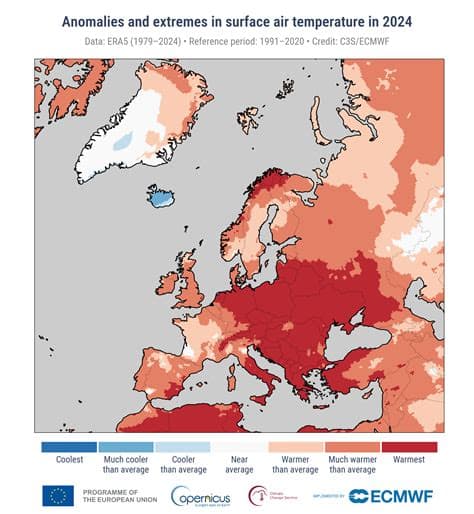
In a stark warning, recent studies have revealed that Europe is experiencing warming at an unprecedented rate, making it the fastest warming continent in the world. This alarming trend has spurred calls for immediate and comprehensive actions to combat climate change and address its far-reaching consequences.
Researchers have pointed to a multitude of factors contributing to this rapid rise in temperatures, including greenhouse gas emissions, industrial activities, and land-use changes. The impacts of climate change are already being felt across Europe, manifesting in extreme weather events, rising sea levels, and disruptions to agriculture and biodiversity. For instance, the Copernicus Climate Change Service has reported that average temperatures in Europe have risen significantly over the past few decades, with projections indicating that this trend will continue unless substantial measures are taken.
Environmental groups and scientists are urging European governments to prioritize climate initiatives, emphasizing the need for stricter emissions regulations, investment in renewable energy, and enhanced resilience strategies for vulnerable communities. They argue that the window for effective intervention is narrowing and that swift, collective efforts are essential to avert catastrophic outcomes. The European Union's Green Deal, aimed at making Europe the first climate-neutral continent by 2050, is seen as a crucial step, but many believe that more immediate actions are necessary to address the current crisis.
Moreover, the economic repercussions of inaction are significant. Industries such as agriculture, tourism, and fisheries may suffer drastically due to climate-related disruptions, potentially leading to job losses and economic instability. A recent report from the European Commission highlights that climate change could cost the EU economy up to 170 billion euros annually by 2025 if no action is taken. It is crucial for policymakers to recognize these threats and take proactive steps to foster sustainable development and protect livelihoods.
The situation has sparked renewed debates regarding Europe's commitments to environmental standards and its leadership role in global climate negotiations. As nations prepare for upcoming international climate conferences, the emphasis will be on demonstrating accountability and commitment to ambitious climate targets. The recent IPCC report has underscored the urgency of the situation, calling for immediate action to limit global warming to 1.5 degrees Celsius.
As the urgency for action intensifies, the call for collaboration between governments, businesses, and civil society is louder than ever. The ongoing climate crisis underscores the interconnectedness of environmental health and human welfare, making it imperative for all stakeholders to work together toward solutions that ensure a sustainable and secure future for the continent. The time for action is now, as the consequences of inaction will be felt for generations to come.
Published by Banx Network. This article is part of the Banx decentralized media programme, powered by the BXE token on the XRP Ledger.



