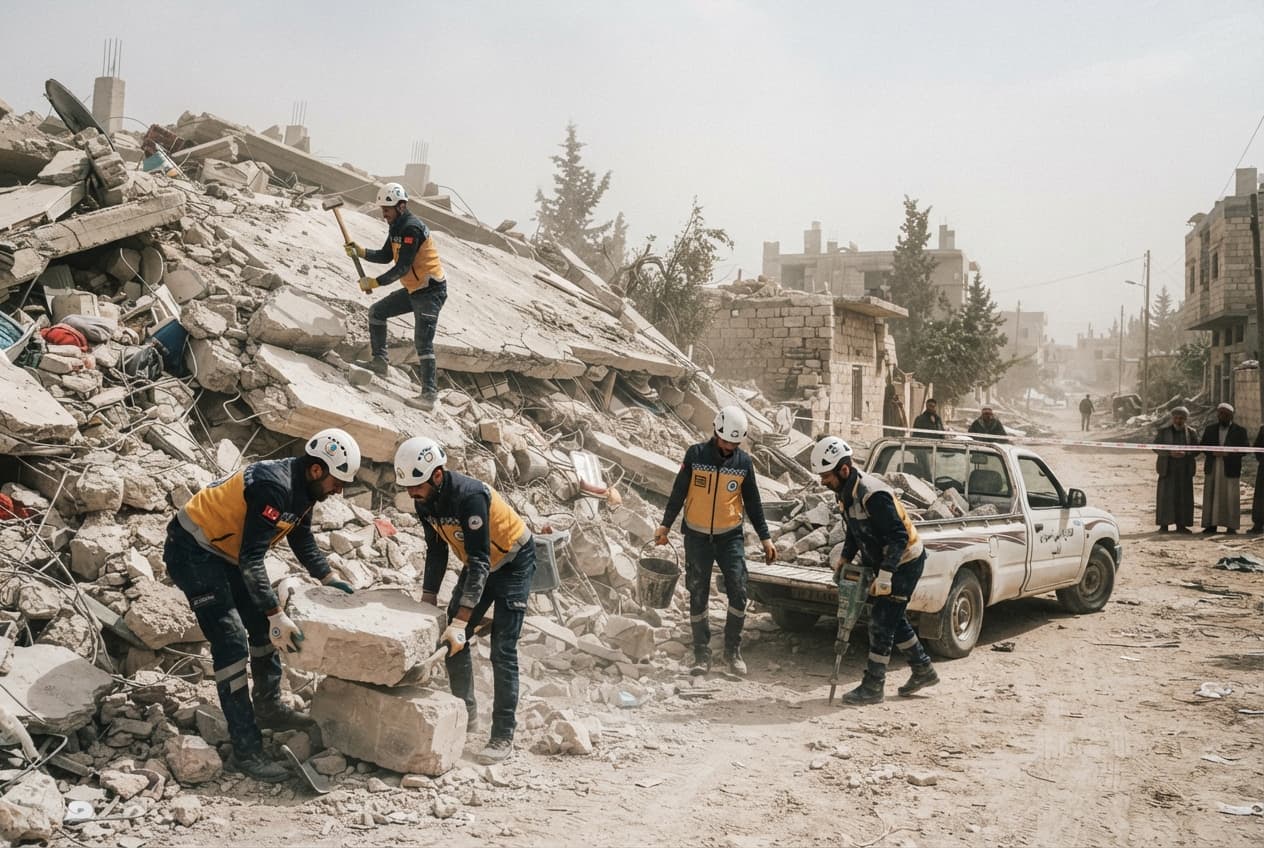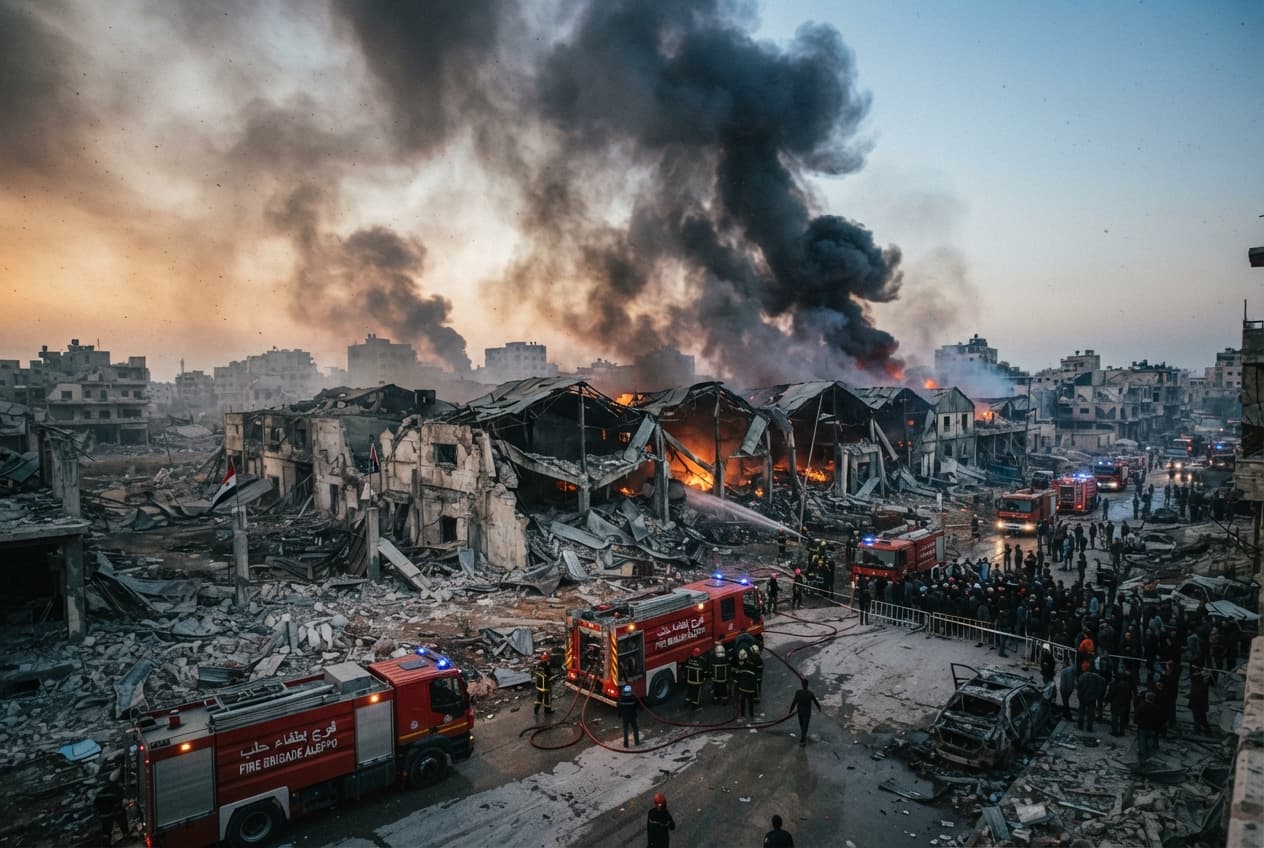
Gaza City, Gaza Strip—Civil defense rescue teams pulled dozens of casualties from the wreckage of multi-story residential buildings early Tuesday morning following a relentless wave of overnight airstrikes that struck multiple neighborhoods across the besieged enclave. The heavy bombardment flattened entire residential blocks without prior evacuation warnings, burying sleeping families beneath thick layers of concrete and twisted reinforcing bars.
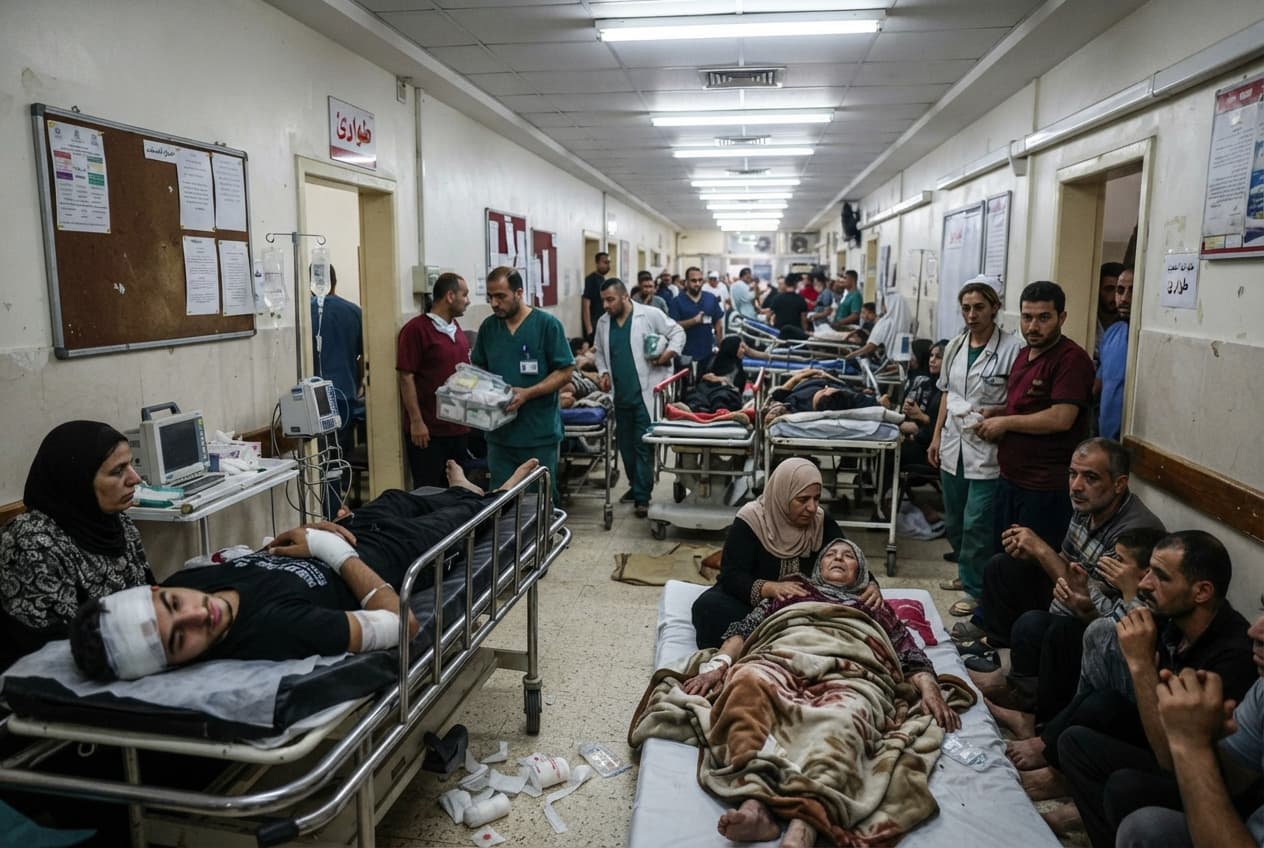
Surviving neighbors joined emergency responders using bare hands, small shovels, and agricultural tools to tunnel through unstable mounds of debris in desperate bids to reach muffled cries for help. Local hospitals reported an immediate influx of trauma patients suffering severe blast injuries, shrapnel wounds, and crush syndrome, stretching remaining medical supplies and surgical staff past breaking points.
Emergency room directors at regional medical facilities described horrific scenes of chaos as corridors filled with injured children and frantic relatives searching for missing loved ones. "Our surgical theaters are operating continuously under emergency generator power, but we lack basic anesthetics and intravenous fluids to treat this volume of trauma," stated senior emergency physician Dr. Ahmed al-Kurd.
The ongoing aerial campaign has severely damaged municipal water pipelines and electrical feeders, cutting off basic services to hundreds of thousands of displaced civilians sheltering in makeshift tent camps. Humanitarian relief organizations reported that fuel shortages have forced desalination plants to shut down entirely, leaving communities completely dependent on brackish well water.
International aid agencies renewed urgent calls for safe humanitarian corridors to allow critically injured patients to be evacuated for specialized medical treatment outside the blockaded coastal territory. Border crossing restrictions and security checkpoints continue to delay convoy movements, leaving tons of vital surgical equipment and pharmaceutical supplies stalled at regional transit depots.
Displaced families living in makeshift plastic encampments experienced terrifying moments as shockwaves from nearby secondary explosions rattled tent stakes and sent frightened children screaming into the darkness. Community volunteers attempted to maintain basic morale by distributing potfuls of lentil soup cooked over open wood fires to hungry families huddled against the autumn chill.
Local municipal crews used damaged front-end loaders to clear blocked access roads of rubble, allowing emergency ambulances to navigate bombed-out corridors and transport critical patients to functioning triage centers. Communications infrastructure remained intermittent following fiber-optic cable cuts, severely hindering coordination between rescue dispatchers and field teams operating across northern and southern sectors.
As dawn broke over the devastated urban landscape, thick columns of black smoke rose lazily into the morning sky above flattened residential districts where search operations continued unabated. The immediate outlook for surviving residents remains grim as military operations show no sign of de-escalation across the embattled territory.
Published by Banx Network. This article is part of the Banx decentralized media programme, powered by the BXE token on the XRP Ledger.