
Key Highlights
- Incident:Three passengers died in a train derailment in Upper Egypt.
- Injuries:Over thirty passengers were treated for various injuries.
- Response:Emergency services mobilized quickly to the crash site.
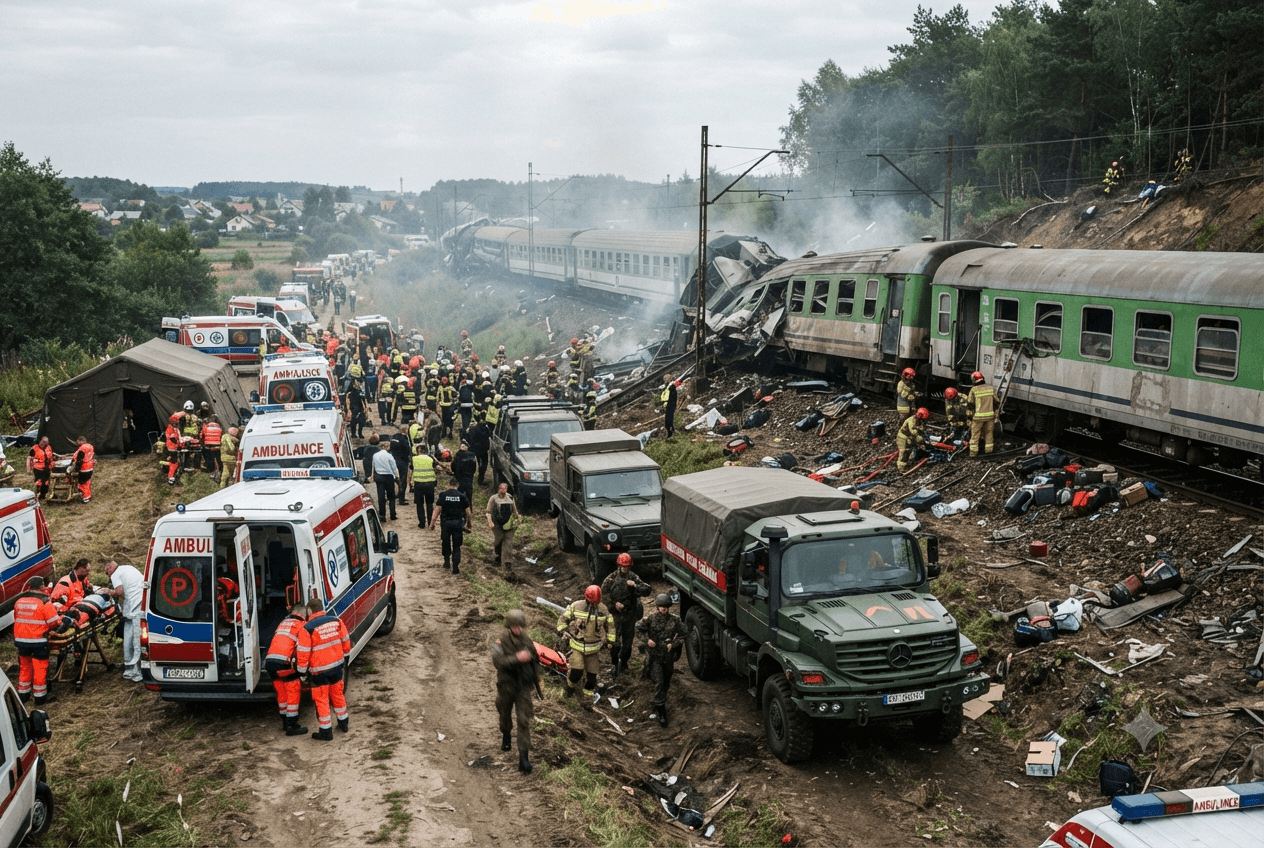
Aswan, Egypt—Tragedy struck Monday afternoon when an intercity passenger train derailed along a remote stretch of track in Upper Egypt, resulting in the deaths of three passengers. The southbound express service, which was en route to Aswan, derailed at approximately 3:15 p.m. as it navigated a sharp curve near a rural agricultural area. The locomotive and the first two passenger carriages veered off the embankment, damaging wooden sleepers before coming to a halt. In the aftermath, hundreds of startled travelers scrambled to escape through shattered windows into the surrounding fields, prompting a swift emergency response.
Civil protection teams, military rescue units, and dozens of ambulances rushed to the isolated crash site from nearby provincial towns. Paramedics quickly established a triage zone in a dirt clearing, where they treated over thirty injured passengers suffering from fractures, lacerations, and severe shock. Authorities confirmed three fatalities at the scene, while critical trauma cases were airlifted to regional hospitals for urgent care. Initial inspections by railway technicians indicated that the severe summer heat may have caused track buckling just prior to the derailment, raising concerns about the safety of the aging infrastructure.
In response to the incident, the national railway authority suspended all traffic along the southern mainline corridor. Heavy breakdown cranes were mobilized to clear the wreckage, and transport ministers faced immediate pressure from public advocates who demanded accelerated upgrades to the aging rural rail networks. A preliminary technical committee has begun reviewing track maintenance logs and data recorders from the locomotive to determine the cause of the derailment. Prosecutors also arrived at the site late Monday afternoon to investigate the points and signaling equipment for any potential mechanical failures.
As news of the derailment spread, grieving relatives gathered at regional railway stations, anxiously awaiting official casualty manifests and updates on injured family members. Heavy salvage machinery worked through the evening under portable floodlights to lift the derailed carriages clear of the track bed. Railway repair crews began replacing mangled steel rails and crushed gravel ballast in an effort to restore single-line traffic by Tuesday. Meanwhile, the formal inquiry into the exact root cause of the derailment remains ongoing, with authorities committed to uncovering the factors that led to this tragic event.
The incident highlights ongoing concerns regarding railway safety in Egypt, particularly in rural areas where infrastructure has been criticized for being outdated and poorly maintained. As investigations continue, the hope is that lessons learned will lead to improvements that can prevent future tragedies on the railways.
Published by Banx Network. This article is part of the Banx decentralized media programme, powered by the BXE token on the XRP Ledger.



