The sky can tremble in silence — a distant mountain’s sigh, a plume of ash drifting thousands of miles, reminding us that nature’s whisper travels farther than we expect. On a routine flight path between continents, travellers looked up at a familiar expanse of blue — and instead, found a trail of uncertainty slicing through the air.
In late November 2025, the long-dormant volcano Hayli Gubbi in Ethiopia’s Afar region roused itself after millennia of quiet. The eruption expelled a massive cloud of ash nearly 14,000 meters high — a vivid testament to the planet’s restless heart. That ash plume, carried by high-altitude winds, drifted far from its origin across the Red Sea, over the Arabian Peninsula, and into northern and western regions of India.
As the ash approached Indian airspace, aviation authorities moved swiftly. The Directorate General of Civil Aviation (DGCA) issued urgent advisories to all airlines and airports, warning of serious hazards that volcanic ash poses to aircraft — from engine abrasion to visibility reduction. Routes, flight levels, fuel planning: all were put under new constraints.
Major carriers responded. Air India cancelled 11 flights spanning both international and domestic routes, while Akasa Air scrapped services to Gulf destinations such as Jeddah, Kuwait, and Abu Dhabi over Nov. 24–25. Meanwhile, IndiGo and other airlines diverted or suspended flights — all under cautious watch.
Airports, too, adapted. Runways, taxiways and aprons lay vulnerable to ash deposition; operators were instructed to inspect and clean if contamination was observed. Flight crews were told to report any signs of engine anomalies, cabin smoke, or unusual odors — all possible signals of ash ingestion.
By Tuesday evening, skies had reportedly cleared: the ash cloud that disrupted travel had passed over India, heading toward China. The threat — visible but fleeting — dissipated as fast as it arrived.
In the vast theatre of the skies, this disruption was brief — yet it offered a reminder. Air travel, for all its speed and precision, remains at the mercy of Earth’s elemental might. And in that reminder, perhaps, lies a call for humility: to respect, even at 30,000 feet, the power of forces we rarely see but deeply feel.
This episode may fade from the headlines, but for those whose plans were grounded — and for the unseen crews and engineers who worked behind the scenes — it is a quiet marker of how fragile our passage through the skies can be.
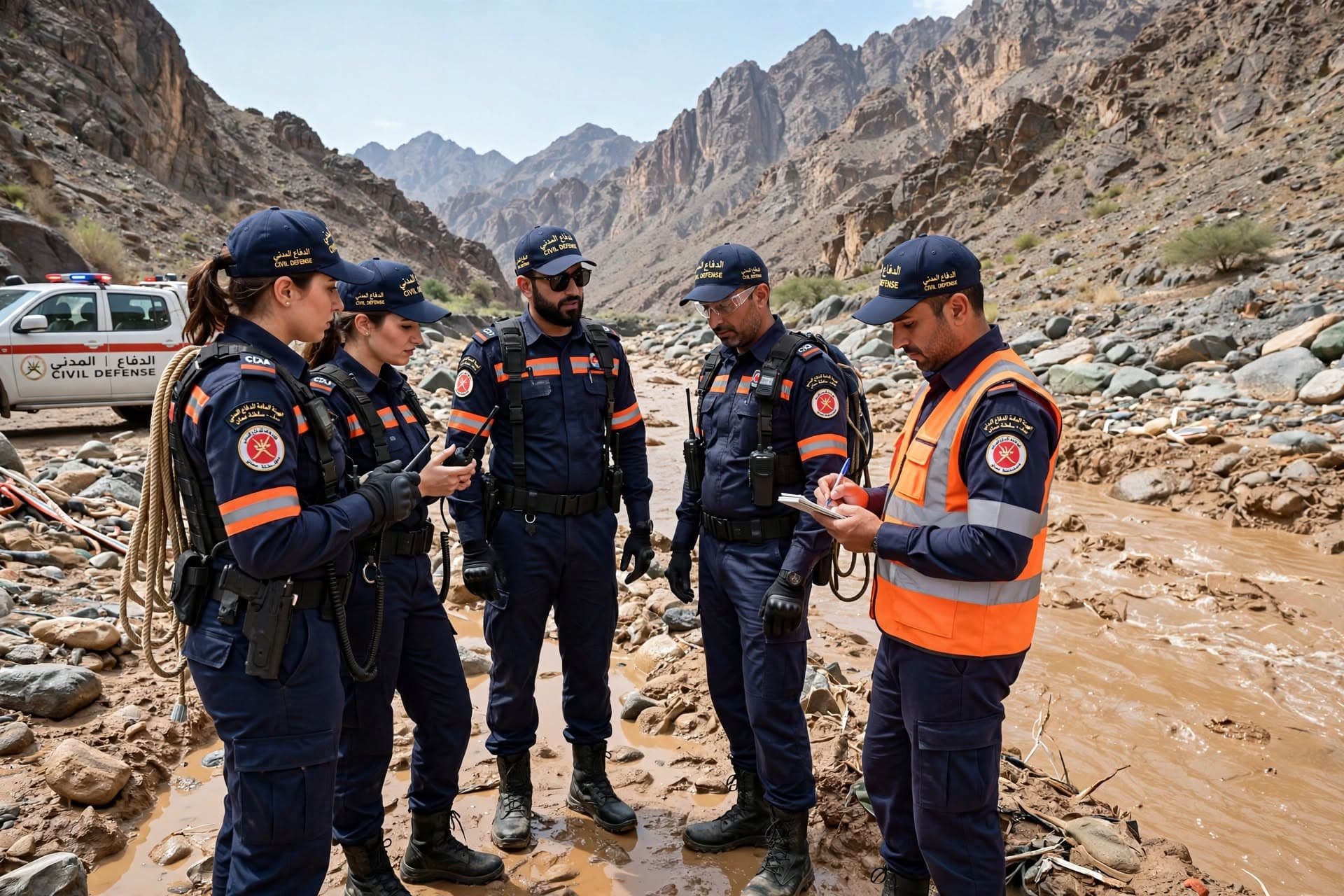
AI Image Disclaimer Illustrations are produced with AI tools and are intended as conceptual visualizations, not real photographs.
Sources: Reuters The Economic Times The Indian Express Times of India LiveMint / other Indian aviation-news outlets
Published by Banx Network. This article is part of the Banx decentralized media programme, powered by the BXE token on the XRP Ledger.