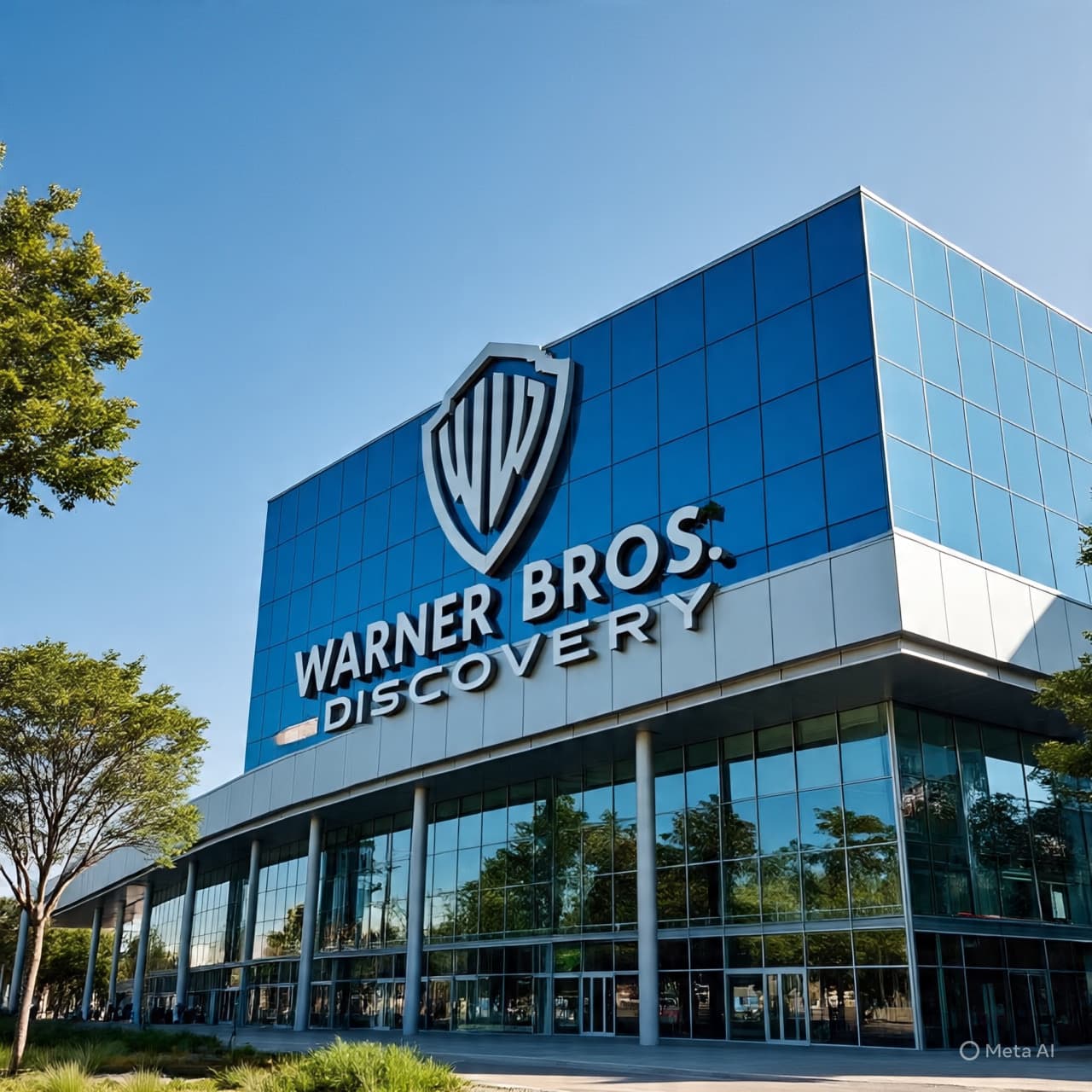
In the hushed hours before a dawn that has been long foretold, a towering chapter of media history edges toward its next turning point. Much like two great rivers converging — each carrying stories and images across continents — the proposed union between Netflix and Warner Bros. has drawn attention not just for the sheer scale of its ambition, but for the questions it raises about the shape of competition and culture itself. In recent months, that quiet current has gathered fresh ripples, as U.S. authorities began what may be a significant antitrust review of Netflix’s roughly $83 billion bid to acquire Warner Bros. Discovery.
For years, Netflix has been both a mirror and a pioneer of the streaming era, bringing serialized narratives and cinematic worlds into countless homes. Warner Bros., with its storied archives and HBO Max streaming platform, has been another pillar of modern storytelling. It is little wonder that the mere idea of their combination would stir the minds of regulators, industry figures, and lawmakers alike — like a great loom joining threads once kept apart.
Last week, the U.S. Department of Justice signaled that it would take a closer look at the possible consequences of such a union under the nation’s antitrust laws, seeking input on whether the combination might substantially lessen competition or unfairly enhance market power. The review is an early step in a process that could shape not just the deal’s future, but how the streaming landscape evolves in the years ahead.
As with many grand narratives, reaction to this review has been a tapestry of optimism and caution. Many in Washington and Hollywood have voiced concerns that a more consolidated Netflix — one that would oversee iconic franchises from Warner’s vast library — might wield an influence that narrows choice for consumers and creators alike. Others argue that, in an era when audiences spread their viewing across multiple platforms and formats, the combined entity’s reach may not necessarily translate into dominance in the broader media market.
Adding another chapter to this unfolding story is the rival bid by Paramount Skydance, which has mounted an aggressive counteroffer for Warner Bros., claiming its proposal offers more immediate value to shareholders. That competition, itself the subject of regulatory scrutiny, has turned what once looked like a straightforward transaction into a complex interplay among bidders, boards, and regulators.
At Senate hearings earlier this month, Netflix’s leadership sought to reassure lawmakers that the combined company would remain committed to choice, creativity, and the breadth of storytelling that defines both brands. Still, some legislators expressed skepticism about whether such assurances are enough, emphasizing that antitrust laws exist to preserve competitive markets and protect the public interest.
For Netflix and Warner Bros., the stakes are particularly high. Beyond the financial figures and shareholder calculus, there is the broader cultural weight of an entertainment legacy that spans classic films, television sagas, and the routines of daily viewers. As regulators take the time required to appraise the deal’s potential effects, the industry watches with a mix of anticipation and concern — as though spectators at a long-anticipated, still-unfolding performance.
In the coming months, this merger review — expected to continue through detailed examinations and possibly legal arguments — will test not just the letter of antitrust laws, but the evolving nature of competition in a digital age. Whether the Department of Justice ultimately approves, conditions, or blocks the transaction, its conclusions will likely influence how media companies navigate acquisitions in the years to come.
AI Image Disclaimer
“Visuals are created with AI tools and are not real photographs.”
Sources (based on news scan)
• Financial Times
• Bloomberg
• Reuters
• The Washington Post
• The Times of India
Published by Banx Network. This article is part of the Banx decentralized media programme, powered by the BXE token on the XRP Ledger.