In the academic halls of Universitas Jenderal Soedirman (Unsoed) in Indonesia, a scandal has emerged that shakes the foundation of trust in higher education. The university’s rector, Akhmad Sodiq, along with two vice rectors, was recently arrested by the Corruption Eradication Commission (KPK) in an undercover operation. The allegations involve a scheme where 73 quotas for new student admissions were allegedly reserved for applicants whose parents had paid bribes, effectively extorting families for access to education.
The operation, known as "OTT" (Operasi Tangkap Tangan), uncovered a systematic practice of corruption within the admission process. Investigators found that funds were collected through a layered system, obscuring the trail of money. The sheer scale of the alleged misconduct, involving high-ranking officials, highlights the vulnerability of institutional processes to exploitation. It raises serious questions about oversight and integrity in public universities.
For the families involved, the news is a mix of shock and betrayal. Many had paid significant sums, believing they were securing a legitimate advantage for their children. Instead, they became victims of a criminal enterprise disguised as administrative procedure. The financial burden, coupled with the emotional distress of the scandal, adds to the hardship faced by students and parents alike. It is a stark reminder of the power imbalances that can exist in educational systems.
The KPK’s intervention marks a significant step in combating corruption in the education sector. By targeting the leadership of a major public university, the agency sends a strong message that no institution is above the law. The seizure of hundreds of millions of rupiah in cash and other evidence provides a tangible basis for prosecution. It demonstrates the effectiveness of proactive investigations in uncovering hidden crimes.
The university community is now grappling with the aftermath. Students and faculty are calling for transparency and reform to restore confidence in the admission process. Interim leadership has been appointed to manage the institution while the legal proceedings unfold. The focus is on ensuring that current students are not disadvantaged and that future admissions are conducted fairly and openly.
This case also sparks a broader discussion about the pressures facing students and families in competitive academic environments. The demand for limited spots in prestigious programs can drive desperate measures, creating opportunities for corrupt actors. Addressing the root causes requires not just legal action but also systemic changes to make education more accessible and equitable. It calls for a culture of meritocracy that is protected from financial influence.
Legal experts note that the charges against the rector and his colleagues are severe, potentially leading to long prison sentences. The trial will examine the extent of the network involved and the mechanisms used to facilitate the bribes. It will also determine the responsibility of other staff members who may have been complicit. The outcome will set a precedent for how similar cases are handled in the future.
In the end, the scandal at Unsoed is a painful lesson in accountability. It highlights the need for vigilance and ethical leadership in public institutions. For Indonesia, it is a moment to reaffirm the values of integrity and fairness in education. The hope is that from this crisis, stronger safeguards will emerge, ensuring that every student has an equal opportunity to succeed based on talent and hard work, not wealth.
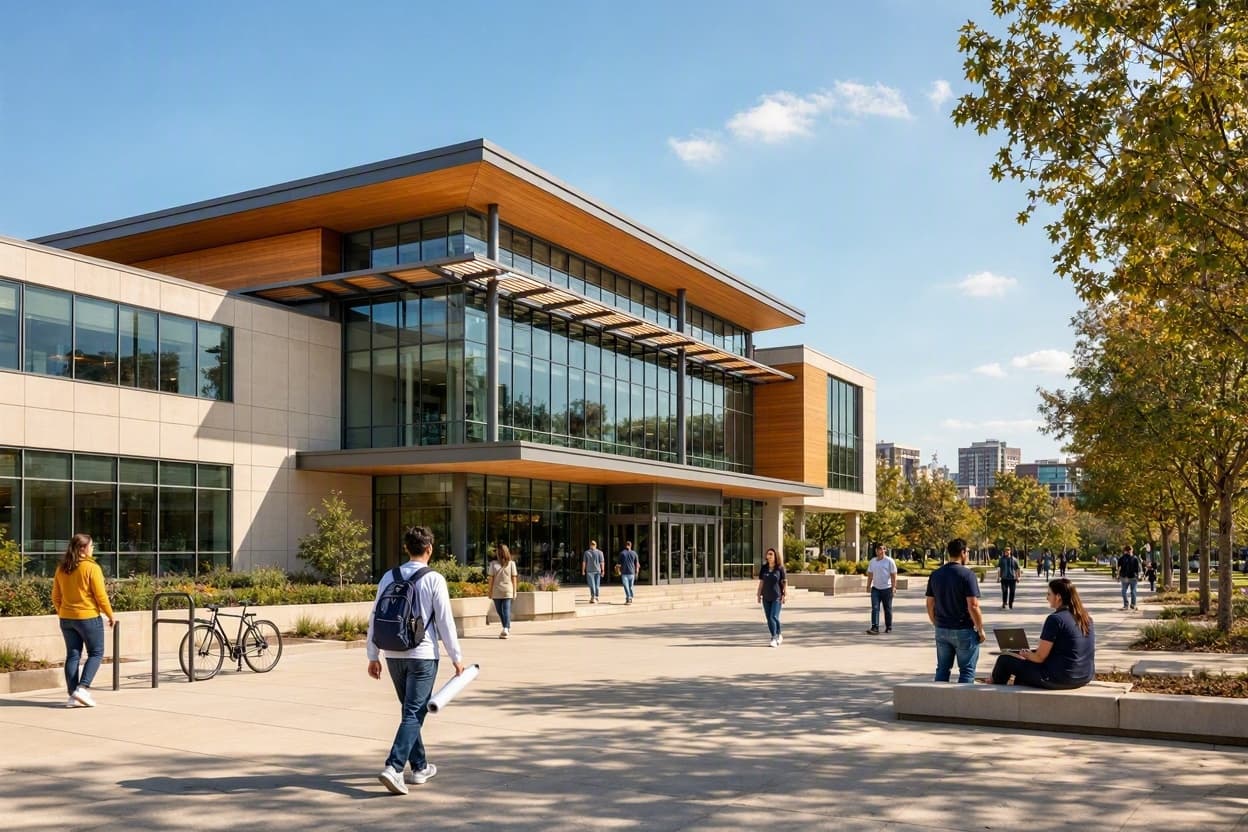
AI Image Disclaimer: Images accompanying this report are AI-generated artistic interpretations of university campuses and abstract symbols of justice and education, intended to visualize the context of the scandal without depicting real individuals, specific proprietary documents, or graphic content.
Sources: Kompas TV, Detik News, Times Indonesia, Investor Daily
Published by Banx Network. This article is part of the Banx decentralized media programme, powered by the BXE token on the XRP Ledger.