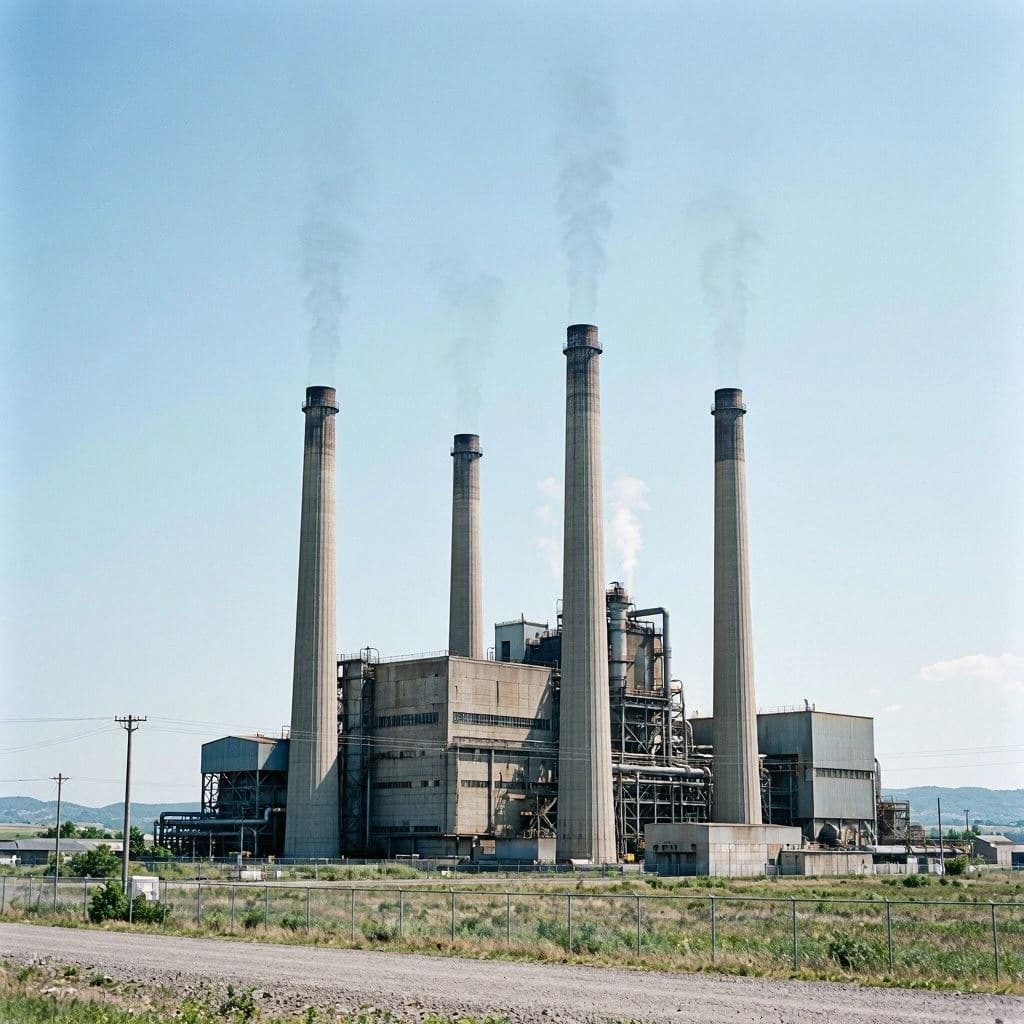
In the complex machinery of American environmental policy, where regulation and industry often dance a delicate balance, a significant shift is underway. The Environmental Protection Agency (EPA) is preparing to repeal greenhouse gas emissions standards for coal and natural gas power plants, a move that promises to reshape the energy landscape. This decision, rooted in arguments for economic reliability and affordability, marks a departure from previous efforts to curb carbon pollution through federal mandates.
The proposed repeal targets rules established under Section 111 of the Clean Air Act, which required power plants to adopt technologies like carbon capture or hydrogen blending to reduce emissions. Administrators argue that these requirements impose undue burdens on utilities, potentially leading to higher energy costs and grid instability. By removing these mandates, the agency aims to empower states and private companies to determine their own paths toward energy production, favoring market-driven solutions over prescriptive federal controls.
For the coal and gas industries, this change represents a reprieve from stringent compliance costs. Many plants have struggled to meet the technical and financial demands of the previous regulations, with some facing early retirement. The repeal could extend the operational life of existing facilities, providing a buffer for communities dependent on fossil fuel jobs. However, it also raises questions about the long-term trajectory of carbon emissions in a nation committed to global climate goals.
Environmental advocates express deep concern, warning that the rollback will accelerate climate change and undermine public health. They argue that without federal guardrails, the transition to cleaner energy sources may slow, leaving vulnerable populations exposed to increased air pollution. The debate highlights the tension between immediate economic interests and long-term environmental stewardship, a conflict that has defined much of recent political discourse.
States now face a new reality, with the responsibility for regulating power plant emissions shifting largely to local jurisdictions. Some states with ambitious climate plans may maintain strict standards, while others may relax them to attract industry. This patchwork approach could lead to uneven progress across the country, creating disparities in air quality and energy reliability depending on geographic location.
The legal landscape surrounding this issue remains contentious. Previous attempts to regulate power plant emissions have faced numerous challenges in court, with opponents arguing that the EPA overstepped its authority. The current proposal seeks to address these legal concerns by narrowing the scope of federal intervention, aiming for a more defensible position in future litigation. Yet, the outcome remains uncertain as stakeholders prepare for potential judicial review.
As the repeal process moves forward, the focus turns to implementation and impact. Utilities will need to adjust their planning strategies, balancing the newfound regulatory freedom with investor expectations and consumer demand for clean energy. The market’s response will be a key indicator of whether the repeal achieves its goal of enhancing reliability without sacrificing environmental progress.
In the end, the decision reflects a broader philosophical shift in how America approaches energy and climate. It prioritizes flexibility and economic growth, betting that innovation and state-level action can achieve results without heavy-handed federal oversight. Whether this bet pays off will depend on the choices made by industries, states, and consumers in the years ahead.
AI Image Disclaimer: The visual representations in this article are AI-generated illustrations designed to convey the themes of energy policy and industrial regulation.
Sources: The New York Times, EPA.gov, Center for Climate and Energy Solutions, Harvard EELP
Published by Banx Network. This article is part of the Banx decentralized media programme, powered by the BXE token on the XRP Ledger.