
Key Highlights
- Catastrophic sewage spill:70 million litres of untreated sewage discharged daily.
- Public health warnings issued:Residents advised to avoid water and seafood.
- Environmental impact:Concerns raised for marine life and ecosystems.
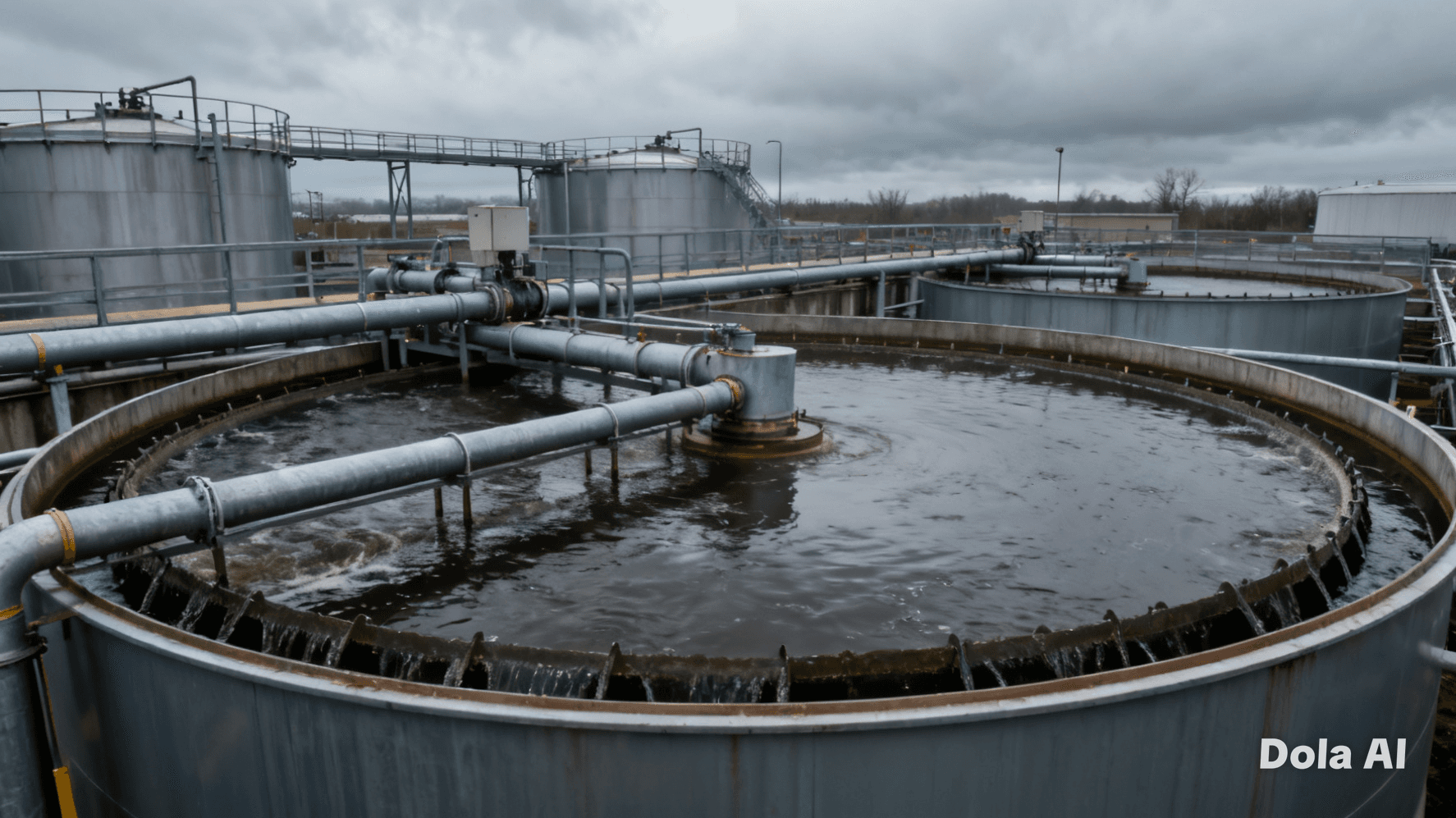
Wellington, New Zealand, is grappling with a significant environmental crisis following a catastrophic failure at the Moa Point wastewater treatment plant. Heavy rainfall overwhelmed the facility, leading to the discharge of approximately 70 million litres of untreated sewage into the waters off the city’s south coast each day. This alarming situation has transformed the familiar coastal landscape into a site of public health concern and environmental distress.
The flooding at the treatment plant caused wastewater to back up and spill through a short five-metre outfall, rather than the usual 1.8-kilometre pipe that safely discharges treated effluent far offshore. As a result, local authorities have issued urgent public health warnings, advising residents to stay out of the water, refrain from collecting seafood, and keep pets away from affected beaches. Preliminary water sampling has revealed bacteria levels exceeding safe swimming guidelines, raising alarms about the potential health risks to the community.
Wellington’s mayor has characterized the incident as a “catastrophic” environmental disaster, prompting discussions about the necessity of an independent inquiry to investigate the causes of this failure. In the meantime, efforts are underway to restore the long outfall pipe and improve screening systems to prevent further discharges. Crews are actively working to divert as much wastewater as possible away from the shoreline, but peak flows still necessitate the use of the short pipe, meaning untreated sewage continues to enter the marine environment.
The repercussions of this crisis extend beyond public health; local businesses that rely on a clean harbour are feeling the impact, and there are growing concerns about the long-term effects on marine ecosystems. Officials from the Department of Conservation have expressed deep worries about the potential harm to various species, including shellfish and penguins, as the sewage poses significant risks to both human and wildlife health.
As the city navigates this environmental emergency, the community remains vigilant, awaiting the full restoration of essential infrastructure. The coastline, which has long been a defining feature of Wellington’s identity and connection to the sea, now bears the scars of this unfolding incident, serving as a stark reminder of the delicate balance between urban development and environmental stewardship.
In the coming weeks, Wellington Water will continue its water quality testing and public advisories, striving to mitigate the impacts of this crisis while working towards a sustainable solution for the future.
Published by Banx Network. This article is part of the Banx decentralized media programme, powered by the BXE token on the XRP Ledger.



