Beneath the vast, white expanse of the Greenland ice sheet lies a hidden world, dark and ancient, where life persists in the most unexpected forms. For years, scientists viewed the bedrock below the ice as a sterile foundation, but recent discoveries have revealed a dynamic ecosystem teeming with microbial activity. At the heart of this subglacial realm is methane, a potent greenhouse gas that not only sustains these microscopic communities but also plays a significant role in the global carbon cycle. This revelation invites us to reconsider the ice not merely as a frozen reservoir, but as an active participant in Earth’s biological processes.
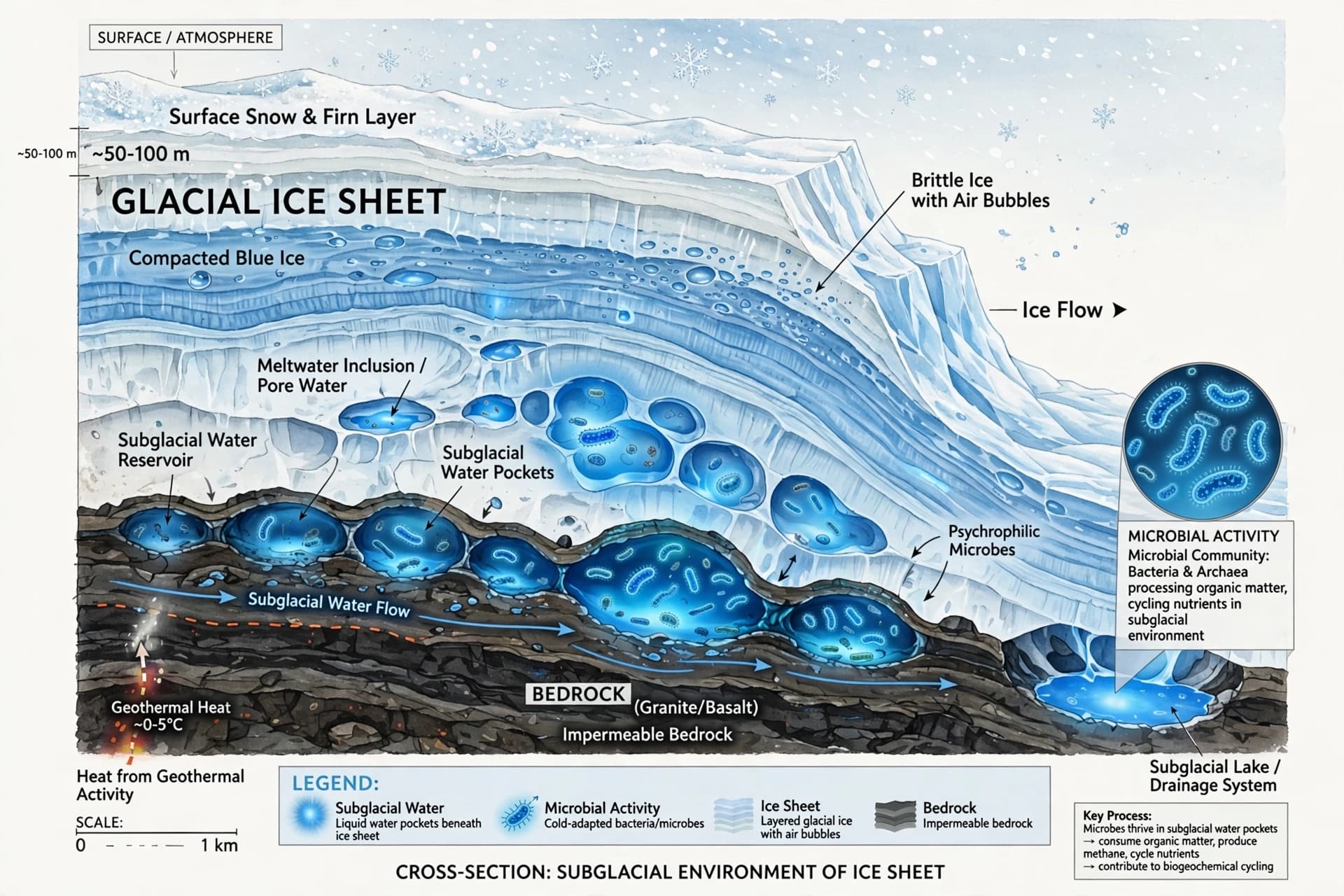
The discovery of methane-producing microbes, or methanogens, beneath the ice challenges previous assumptions about the limits of life. These organisms thrive in the absence of oxygen, feeding on organic matter trapped in sediments for millennia. Their metabolic processes release methane, which accumulates in subglacial lakes and groundwater systems. While much of this gas remains trapped under the immense pressure of the ice, its presence indicates a biological engine that has been running quietly beneath our feet for thousands of years.
Understanding this subglacial ecosystem is crucial for predicting how the Arctic will respond to climate change. As temperatures rise and the ice sheet melts, the release of stored methane could accelerate warming, creating a feedback loop that further impacts global climate patterns. However, the rate at which this gas escapes depends on complex hydrological pathways and microbial consumption rates. Some methane may be oxidized by other bacteria before it reaches the atmosphere, mitigating its immediate impact.
The research into these hidden microbes offers insights into the resilience of life in extreme environments. By studying how these organisms survive in cold, dark, and high-pressure conditions, scientists gain a deeper appreciation for the adaptability of biology. This knowledge has implications beyond Earth, informing the search for life on icy moons like Europa and Enceladus, where similar subglacial oceans may exist. It bridges the gap between terrestrial ecology and astrobiology.
Moreover, the interaction between ice, rock, and microbes highlights the interconnectedness of Earth’s systems. The carbon cycle is not limited to the surface; it extends deep into the crust, influenced by geological and biological forces alike. The methane produced beneath Greenland is part of a larger narrative of carbon storage and release that spans millions of years. Recognizing this depth adds complexity to our models of climate dynamics.
For the scientific community, this finding underscores the importance of continued exploration in polar regions. Drilling through kilometers of ice to reach the bedrock is a logistical challenge, but the rewards are substantial. Each sample retrieved provides a glimpse into a world that has remained isolated from the surface, preserving a record of past climates and biological evolution. It is a testament to human curiosity and technological ingenuity.
As we face the realities of a changing climate, understanding these hidden processes becomes increasingly urgent. The methane beneath Greenland is not just a scientific curiosity; it is a factor that must be accounted for in future climate projections. By integrating this knowledge, we can develop more accurate models and better strategies for mitigation. It is a reminder that even in the most remote corners of our planet, life and chemistry are constantly at work.
The discovery of methane-driven microbial life beneath the Greenland ice sheet expands our understanding of the Earth’s biosphere. It reveals a hidden layer of complexity in the carbon cycle, reminding us that the ice is alive with activity. As research continues, these findings will help shape our response to climate change, ensuring that we account for all parts of the planetary system.
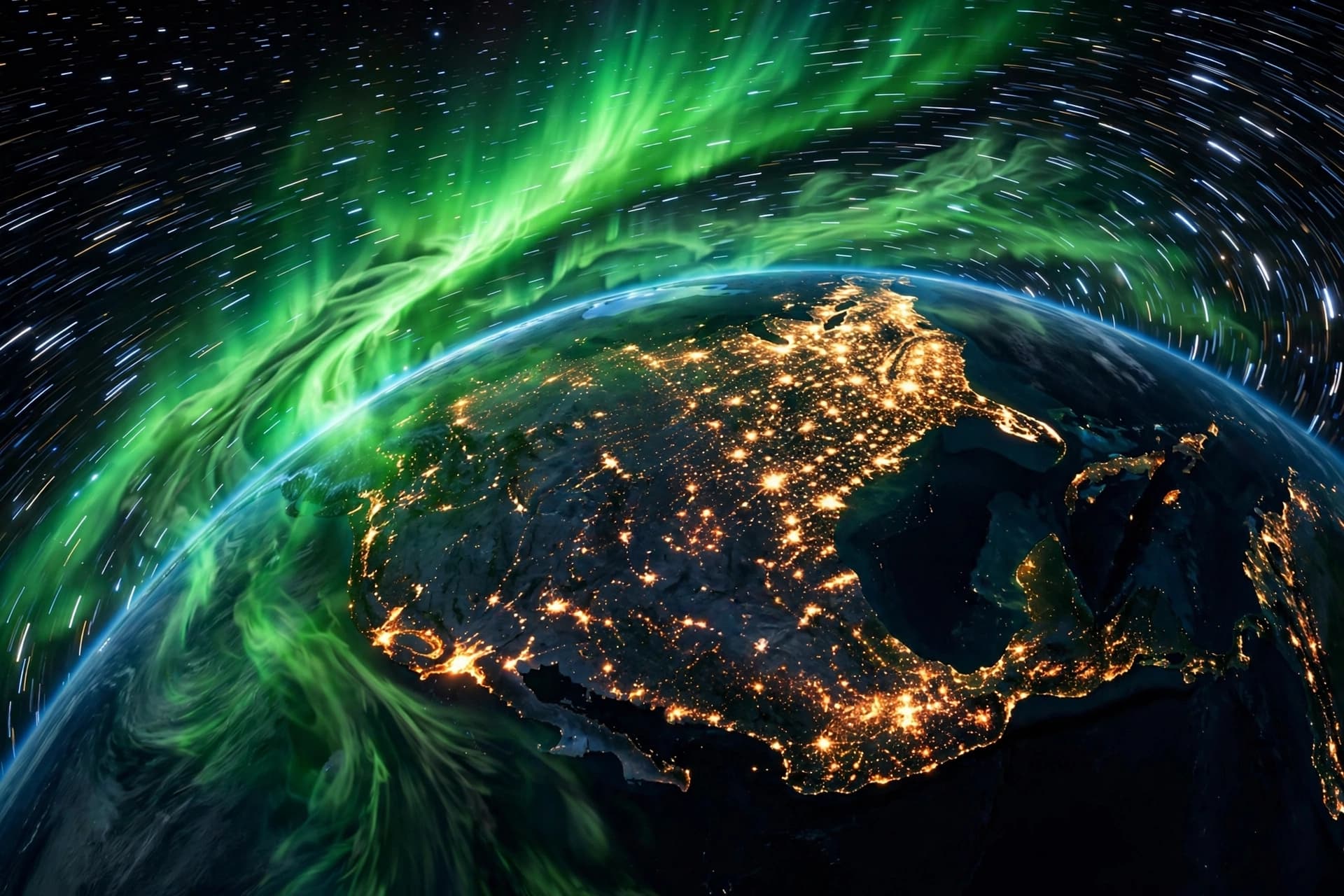
AI Image Disclaimer: The visual elements in this article are AI-generated illustrations depicting subglacial environments and microbial concepts, not actual photographs from beneath the ice sheet.
Sources: Nature Geoscience Live Science University of Edinburgh
Published by Banx Network. This article is part of the Banx decentralized media programme, powered by the BXE token on the XRP Ledger.