
Key Highlights
- Shift in Travel Trends:A growing interest in nature and cultural experiences.
- Rise of Solo Travel:Independent journeys are gaining popularity for personal renewal.
- Culinary Exploration:Travelers are seeking hands-on food experiences.
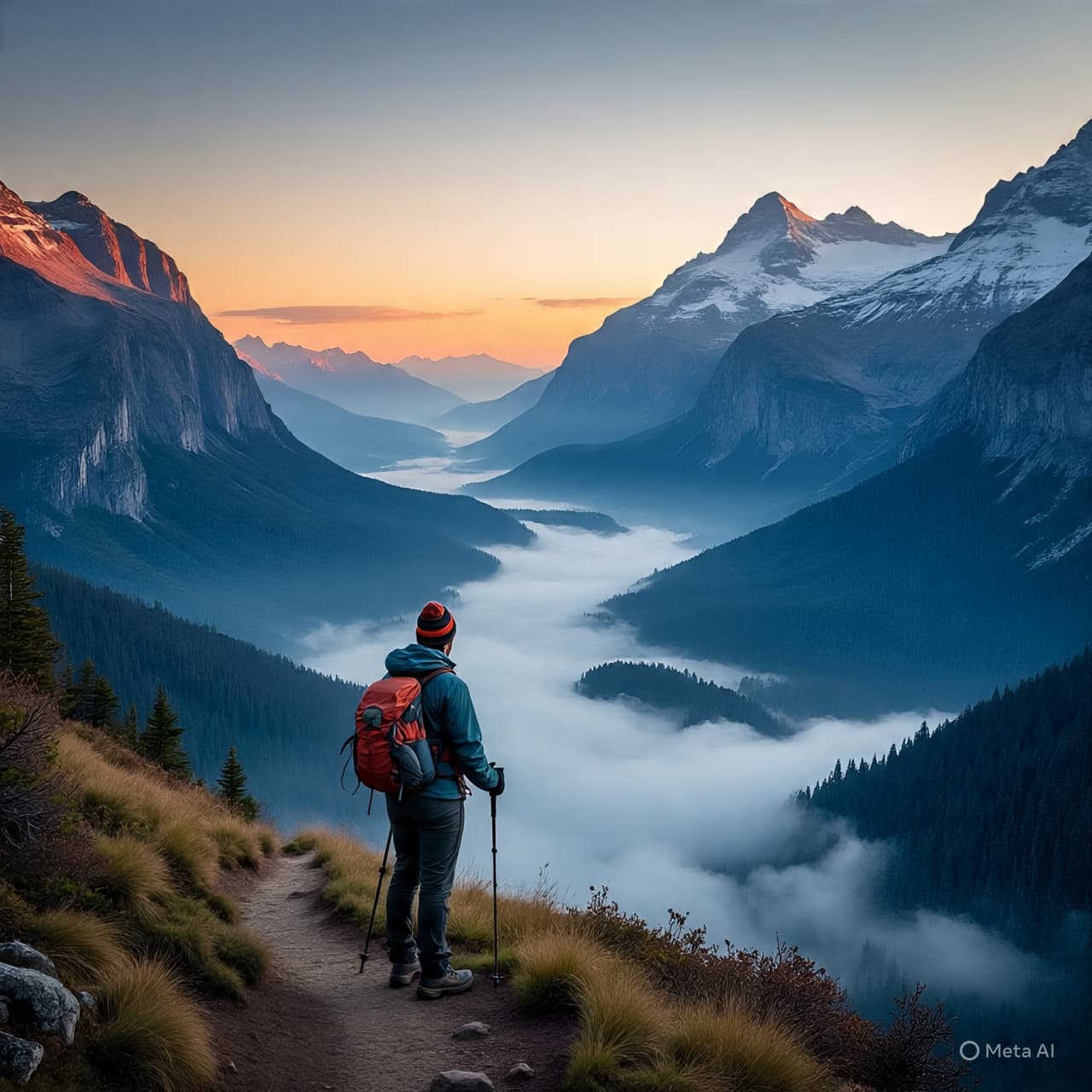
As 2026 unfolds, a significant shift in travel preferences is emerging, moving away from the traditional hustle of sightseeing to a more profound connection with nature and culture. Travelers are increasingly seeking experiences that allow them to unplug from their daily routines and immerse themselves in the environments they visit. This trend is reflected in the rising interest in national parks and outdoor adventures, where individuals can reconnect with the natural world and find solace in its beauty.
Recent data indicates a notable increase in searches for accommodations near iconic national parks such as the Great Smoky Mountains, Shenandoah, and Yosemite. This surge is driven by a collective desire to escape the digital noise and engage with the physical world. Travelers are looking to experience the tranquility of nature, whether it’s through hiking, camping, or simply enjoying the serenity of the outdoors. The phrase “touch grass” has become a rallying cry for those yearning to step away from screens and embrace the tactile sensations of the earth beneath their feet.
In addition to nature-focused travel, solo journeys are on the rise. More individuals are opting for independent travel experiences that allow for introspection and personal growth. Scenic valleys, coastal retreats, and vibrant cultural capitals are becoming popular destinations for those seeking solitude and self-discovery. This trend, often referred to as “me-time tourism,” emphasizes the importance of taking time for oneself, allowing travelers to reflect, learn, and rejuvenate away from the pressures of group travel.
Cultural immersion is another key aspect of the evolving travel landscape. Travelers are increasingly drawn to authentic experiences that go beyond mere sightseeing. Culinary adventures, indigenous-led tours, and participation in local festivals are becoming central to the travel experience. These opportunities allow visitors to engage with the local community, understand its traditions, and appreciate the nuances of everyday life. Rather than rushing from one landmark to another, travelers are prioritizing meaningful interactions that enrich their understanding of the places they visit.
The culinary landscape of travel is also transforming. Instead of simply dining at renowned restaurants, travelers are seeking hands-on experiences that connect them with local food cultures. Cooking classes with local chefs, visits to bustling markets, and food trails that tell the story of a region’s culinary heritage are becoming increasingly popular. This shift reflects a broader trend among younger generations, who are looking for vibrant city escapes that combine culture, cuisine, and celebration into compact yet memorable experiences.
As we look ahead to 2026, the concept of “unplugged and immersed” travel is gaining traction. Experiences such as nocturnal hikes under starry skies, unique rural accommodations, and itineraries that prioritize nature are capturing the imagination of travelers. These journeys emphasize the importance of slowing down and savoring the moments that matter, whether it’s the beauty of a sunrise, the sound of wind rustling through the grass, or the laughter shared with new friends. In this new era of travel, the focus is shifting from merely moving fast to arriving fully in the present, embracing the richness of culture, nature, and the quiet spaces in between.
Published by Banx Network. This article is part of the Banx decentralized media programme, powered by the BXE token on the XRP Ledger.



