Public land is often viewed as a shared inheritance, a communal asset that belongs to the people and serves the public good. Yet, behind closed doors, a quiet reassessment is taking place. Confidential documents have revealed that government agencies are scrutinizing hundreds of state-owned sites with an eye toward potential sale, aiming to raise 1.4 billion. This hidden analysis sparks a complex debate about the value of public assets versus the immediate need for revenue. It is a moment that invites reflection on what we choose to keep and what we are willing to let go, balancing fiscal responsibility with community stewardship.
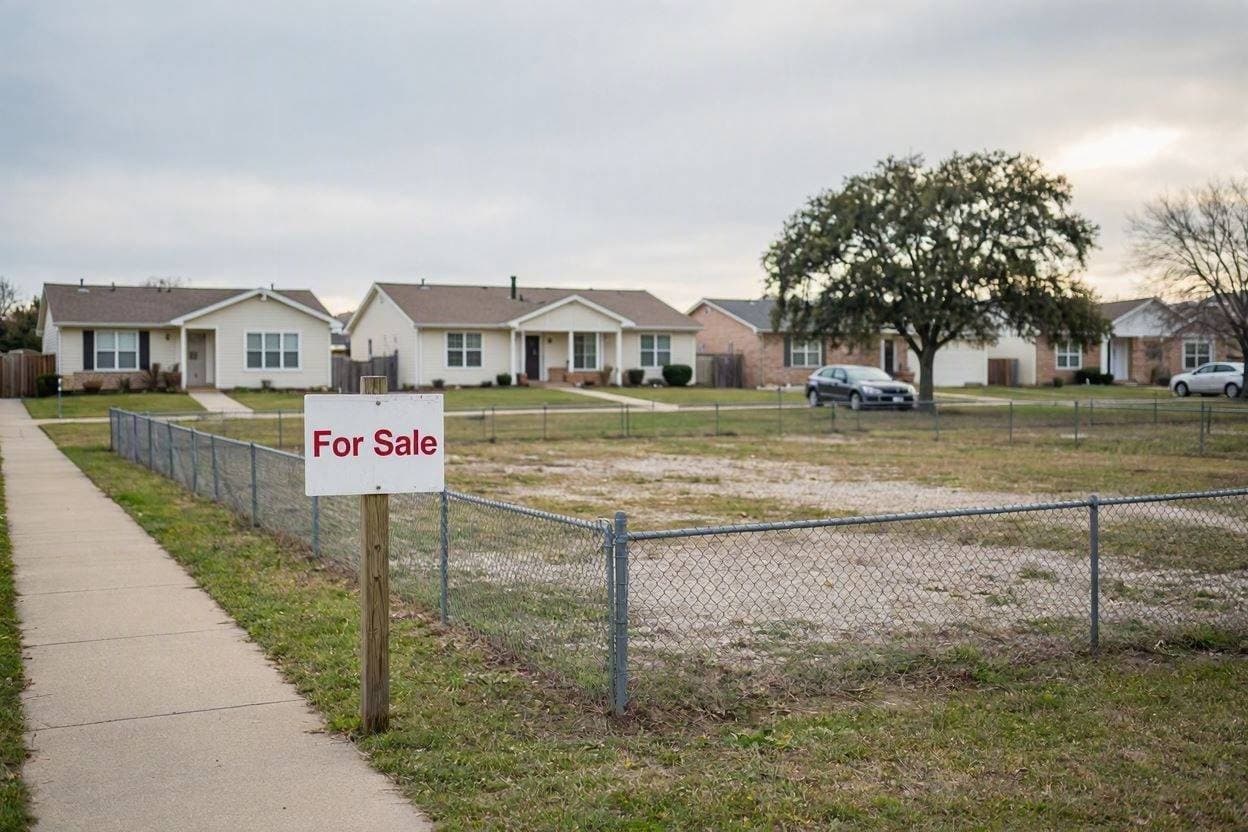
The review, conducted by entities such as Landcom and Homes NSW, identified 297 sites across New South Wales that could be monetized. These properties range from small vacant lots to larger parcels with development potential. The goal is to unlock value from underutilized assets, directing funds toward critical infrastructure and housing initiatives. For policymakers, this represents a strategic opportunity to address budget pressures without raising taxes. However, the secrecy surrounding the analysis has raised questions about transparency and public consultation.
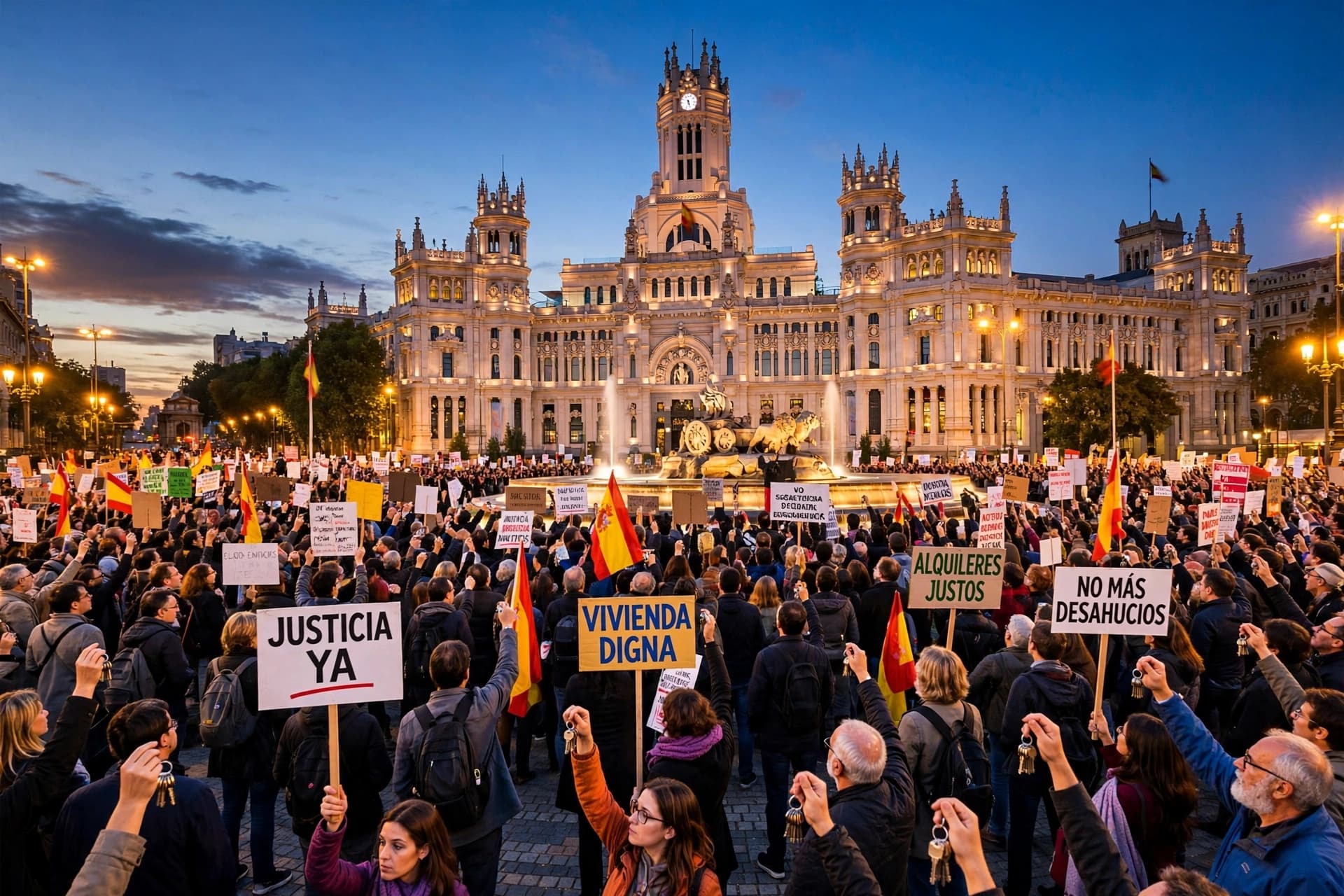
For local communities, the prospect of losing public land can be unsettling. Parks, green spaces, and community facilities are often cherished parts of neighborhood identity. The fear is that sales could prioritize profit over public access, leading to privatization of spaces that were once free for all to enjoy. Residents worry about increased density, loss of heritage, and the erosion of the social fabric that these spaces support. Their concerns highlight the emotional and cultural value of public land beyond its monetary worth.
Proponents argue that selling unused or inefficiently used land is a prudent financial move. The proceeds can be reinvested in services that benefit the broader population, such as healthcare, education, and transport. They emphasize that not all public land is essential, and that smart divestment can lead to more vibrant and productive urban environments. The key, they suggest, is to ensure that sales are strategic and aligned with long-term planning goals.
The lack of public disclosure during the initial analysis phase has drawn criticism from transparency advocates. They argue that decisions affecting public assets should be made in the open, with opportunities for community input and feedback. Secrecy can erode trust, leading to suspicions that deals are being made for private gain rather than public benefit. Open dialogue is essential to maintain confidence in government processes.
As the list of potential sales becomes public, the debate is likely to intensify. Each site will be evaluated on its merits, with considerations for environmental impact, historical significance, and community needs. The challenge for government is to navigate these competing interests fairly, ensuring that the process is both efficient and equitable.
The revelation of a 1.4 billion public land sale plan is a significant economic and social issue. As the government moves forward, the hope is for a transparent and inclusive process that balances financial goals with community values. Public land is a precious resource, and its management requires careful thought and broad consensus.
AI Image Disclaimer: The visual elements accompanying this report are AI-generated interpretations designed to reflect the economic and urban planning context of the story.
Sources: Sydney Morning Herald Brisbane Times Ground News
Published by Banx Network. This article is part of the Banx decentralized media programme, powered by the BXE token on the XRP Ledger.