In the vast tapestry of the cosmos, the earliest threads are often the most difficult to discern. For decades, astronomers have peered into the deep past, seeking to understand how the first generations of stars influenced the formation of galaxies. Now, with the release of the largest dataset of its kind, a new chapter in this cosmic history is being written. This unprecedented collection of observations offers a clearer view of the massive stars that blazed in the early universe, illuminating the processes that shaped the structures we see today. It is a moment of clarity in a field long defined by uncertainty.
The dataset, derived from advanced spectroscopic surveys, contains detailed information on millions of celestial objects, including some of the most distant galaxies ever observed. By analyzing the light from these ancient systems, scientists can infer the presence and properties of massive stars that lived and died billions of years ago. These stars, often referred to as Population III or early Population II stars, were significantly larger and hotter than their modern counterparts, emitting intense radiation that ionized surrounding gas and influenced star formation rates.
Understanding the role of these massive stars is crucial for refining models of galaxy evolution. Previous simulations struggled to account for the rapid growth of early galaxies, often underestimating the impact of stellar feedback. The new data provides empirical evidence that helps bridge this gap, showing how energetic winds and supernovae from massive stars could regulate the accumulation of matter in young galaxies. This feedback mechanism is now seen as a key driver in shaping the size and structure of cosmic neighbors.
For researchers, the availability of such a comprehensive dataset is transformative. It allows for statistical analyses that were previously impossible, reducing the reliance on isolated case studies. By examining large populations of early galaxies, scientists can identify common patterns and outliers, leading to more robust conclusions about universal trends. This shift from anecdotal evidence to broad statistical understanding marks a maturation in the field of extragalactic astronomy.
The implications extend beyond mere classification. By clarifying how massive stars shaped early galaxies, astronomers can better predict the distribution of elements in the universe. These stars were the primary factories for heavy elements, forging carbon, oxygen, and iron in their cores before dispersing them into space. The chemical enrichment they provided laid the groundwork for subsequent generations of stars and, eventually, planets capable of supporting life.
Public interest in these findings reflects a deep human curiosity about our origins. Knowing that the atoms in our bodies were forged in the hearts of ancient stars connects us to the cosmos in a profound way. The dataset makes this connection more tangible, offering a detailed narrative of how the universe evolved from a simple soup of hydrogen and helium to the complex web of galaxies we inhabit. It is a story of creation written in light.
As the scientific community continues to mine this data, new discoveries are expected to emerge. Machine learning algorithms are already being employed to sift through the vast amounts of information, identifying subtle signals that might have been overlooked by traditional methods. This synergy between human insight and computational power promises to accelerate our understanding of the early universe, revealing secrets that have remained hidden for eons.
The release of this landmark dataset represents a significant step forward in astronomy. It provides the tools necessary to unravel the mysteries of early galaxy formation and the role of massive stars. As researchers delve deeper into the data, the picture of our cosmic past becomes increasingly clear, offering a richer understanding of the universe’s history and our place within it.
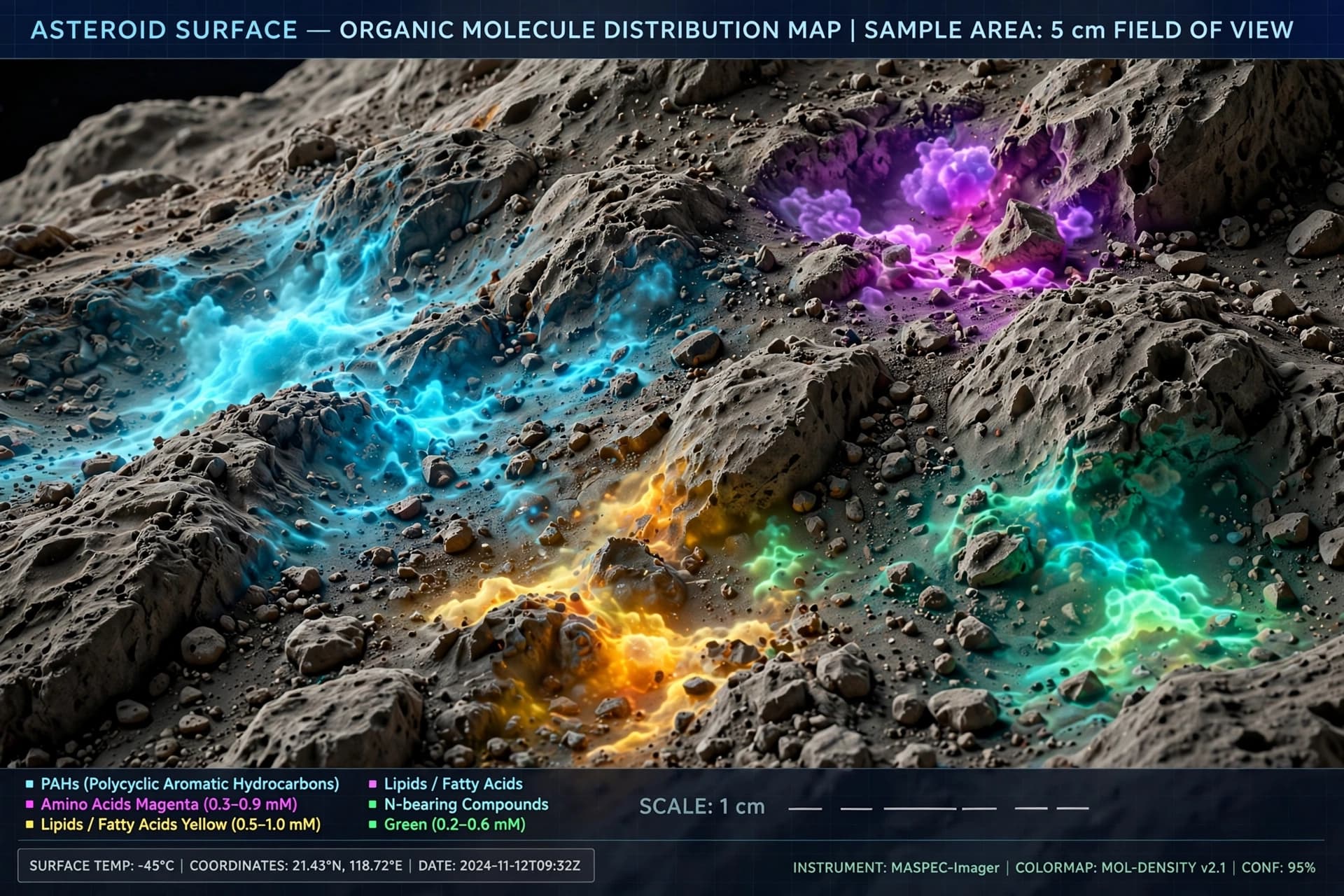
AI Image Disclaimer: The visual representations in this article are AI-generated illustrations depicting cosmic structures and data visualization concepts, not actual astronomical images from the survey.
Sources: Phys.org University of Utah News Live Science
Published by Banx Network. This article is part of the Banx decentralized media programme, powered by the BXE token on the XRP Ledger.